Menu
 Ancestries
 Backgrounds
 Lineages
 Classes
 Subclasses
 Spells
 Curses
 Mentas
 Sanguines
 Feats
Feats
 Passive
 Full
Full
 Standard
 Quick
Quick
 Attack
 Free
Free
 Reaction
 Opp. Attack
 Innate Skills
 Gathering Skills
 Knowledge Skills
 Crafting Skills
 Weapon Skills
 Armor Skills
 Defensive Skills
 Status Effects
 Crafting
 Alchemy
 Art
Art
 Cooking
 Enchanting
 Glassblowing
 Jewelling
 Leatherworking
 Machining
 Masoning
 Smithing
 Weaving
 Woodworking
View All Crafting
View All Rules
Woodworking
View All Crafting
View All Rules














































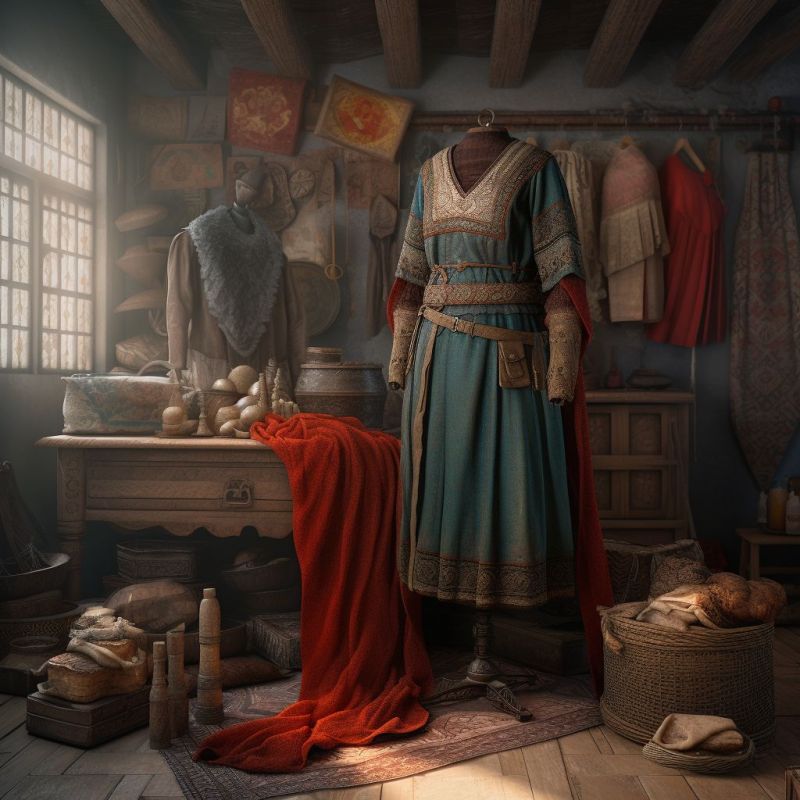
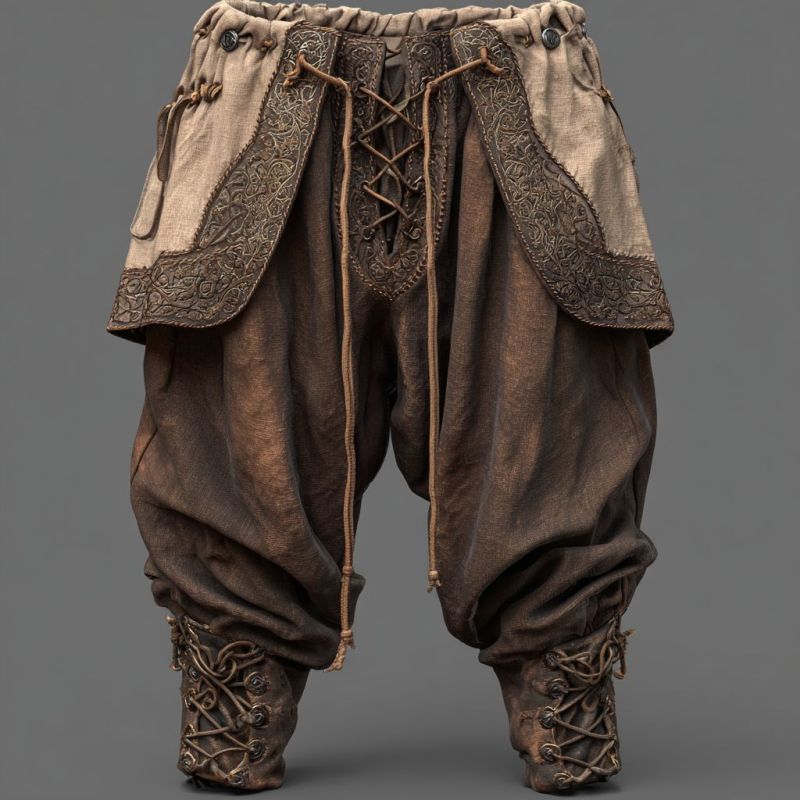
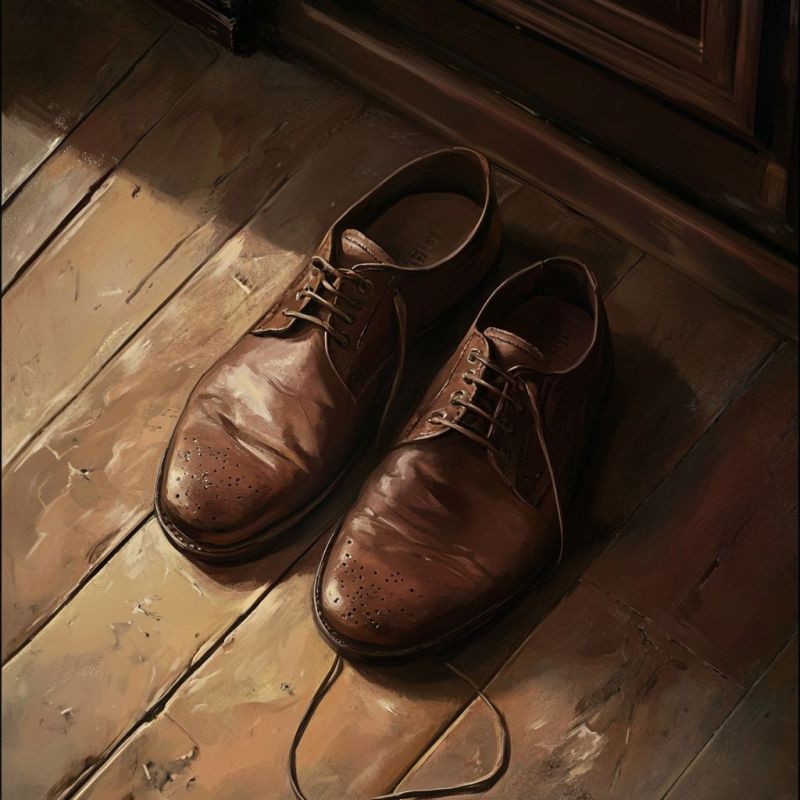
 Inventory Equipped:
-
Clothes, Artisan’s1 gp
-
Shoes, Leather1 gp
-
Pants, Cloth0.8 gp
-
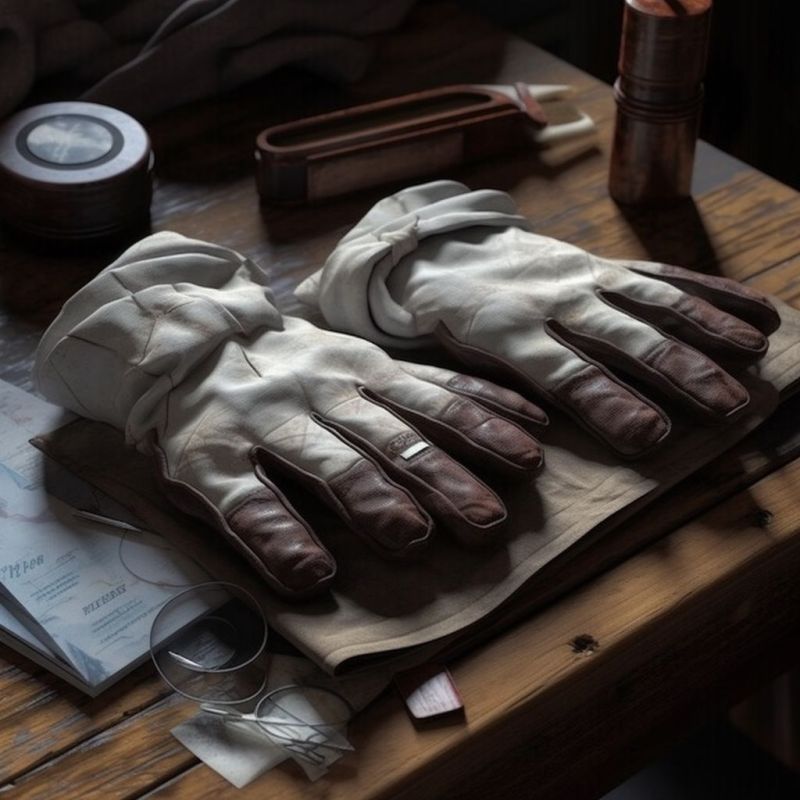
Gloves, Cloth5 gp
 Inventory Unequipped:
-
20 Painting Tools15 gp
-
20 Artwork, Tier 11 gp
-
20 Artwork, Tier 25 gp
-
20 Artwork, Tier 310 gp
-
20 Vase, Ceramic20 gp
-
20 Pitcher0.02 gp
-
20 Porcelain Teacup0.3 gp
-
20 Porcelain Teapot2 gp
-
20 Fresco, Medium30 gp
-
20 Fresco, Small10 gp
-
20 Tapestry, Small1 gp
-
20 Tapestry, Medium3 gp
-
10 Gold Coin1 gp
-
4000 Copper Coin0.01 gp
-
450 Silver Coin0.1 gp
- Quick Abilities:
-
Stonesense60
 Monster Bits:
-
32 Humanoid Blood0.15 gp
-
84 Animal Bone0.03 gp
-
56 Animal Fat0.5 gp
-
196 Animal Meat0.05 gp
-
28 Soft Skin0.05 gp
Rough-hewn hands, calloused from toil, grip a worn shovel. Sun-bleached hair, braided tight, swings as sturdy boots crunch gravel. A dwarf woman’s stocky frame, clad in patched linen, radiates unyielding strength.
Dwarves


⛰️🛠️ Dwarves: Forged in Stone
Dwarves, the Dawi of Zin, are a proud, unyielding race, their hearts as enduring as the mountains they carve. 🪓 Masters of craftsmanship, they forge peerless weapons and delve vast subterranean cities, their lives bound by honor, loyalty, and ancient grudges. From rune-carved halls to labyrinthine tunnels, Dwarves shape the earth, their resilience and skill a bulwark against chaos, making them indomitable allies or relentless foes in Zin’s shadowed depths.
🪨 Origins of Iron: Born of the Earth
Dwarves claim descent from stone itself, shaped by ancient Titans to guard Zin’s mineral heart. ⛏️ Their legends speak of Ancestor Gods who taught them to mine, forge, and fight, founding the Kam Ladur—a realm of enduring strongholds. Game Masters can tie their origins to mythic smiths or divine mandates, casting Dwarves as keepers of ancient oaths or seekers of lost relics.
🦴 Stout Form: Built for Endurance
Short and broad, Dwarves stand four feet tall, their muscular frames clad in ornate armor or rugged leathers. 🛡️ Long beards, braided with gems, signify age and status, while their sharp eyes detect hidden veins of ore. GMs can describe their unyielding presence—beards flowing like molten metal or axes gleaming with runic fire—to evoke their steadfast might.
⚒️ Masterful Craft: Artisans of Legend
Dwarves excel in forging, mining, and engineering, crafting rune-enchanted weapons and intricate machines. 🔨 Their sixth sense for metals unearths treasures deep within stone, while their tunnel networks rival cities. GMs can highlight their artistry, with players seeking a Dwarf-forged blade or navigating trap-laden mines to uncover ancient hoards.
🏰 Mountain Holds: Bastions of Stone
Dwarven cities, carved into mountains, are marvels of engineering—rune-lit halls and fortified tunnels echoing with hammers. 🏯 Clans govern these holds, each loyal to a High King, their society woven with tradition and honor. GMs can craft holds as impregnable fortresses, where players face clan rivalries or defend against invaders breaching the Underway.
⚔️ Confronting Dwarves: Unbreakable Foes
Facing Dwarves tests endurance against their stubborn resolve. 🛡️ Runic wards blunt magic, and their shield-walls hold firm, but exploiting grudges or offering gold can sway them. GMs can stage battles in claustrophobic tunnels, where Dwarven axes and cannons punish overzealous foes, or quests to settle ancient wrongs.
🌌 Legacy of Eternal Stone
Dwarves are Zin’s unyielding core, their hammers forging history as their grudges fuel vengeance. ⛰️ From mountain holds, they guard ancient traditions, their loyalty a beacon in darkness. Whether crafting relics or waging war, they challenge heroes to honor their oaths or face their wrath, their saga etched in stone for eternity.
 Speed:
- Walking Speed: +20
 Special Senses:
- Nightsight: +60
- Damage Type Resistance:
-
 Poison
- Contesting Roll ADV vs Status Effect:
-
 Poisoned
- Quick Abilities:
-
Stonesense60
- Skill Tier 1:
-
 Common Language Skill
 -
 Dwarvish Language Skill
 Random Name Table Male
-
Names - Dwarf - Male - First
 Random Name Table Female
-
Names - Dwarf - Female - First
 Random Name Table Last Name
-
Names - Dwarf - Last (Clan Name)
Artist - Tier 1 (Subtype)
🎨🖌️ Artist: Tier 1 Crafter
A Tier 1 Artist is a working creative professional defined by technical skill, steady hands, and the ability to turn raw materials into objects of beauty, meaning, or practical cultural value. It is not yet a famous master or influential tastemaker, but it is already a reliable maker whose work can decorate homes, mark status, and preserve memory.
📚🪵 Training and Foundation
Tier 1 Artists are shaped by apprenticeship, guild instruction, workshop labor, temple commissions, family trade, or years of personal practice. They understand tools, materials, proportion, repetition, and presentation. This is not a casual hobbyist. It is a trained craftsperson who can produce sellable, recognizable work with consistency.
👁️🧵 Appearance and Bearing
These creatures usually appear as painters, sculptors, illustrators, mural hands, icon-makers, woodcarvers, ceramic decorators, or mixed-medium artisans. Their clothing is practical but often stained, marked, or dusted by their trade: pigment on sleeves, charcoal on fingers, wax on aprons, clay under nails, or thread and shavings caught in cuffs. Their posture often reflects focused bench work and long hours of careful repetition.
🖼️🛒 Typical Inventory
A Tier 1 Artist commonly carries or displays sketchbooks, charcoal sticks, pigment packets, brushes, carving knives, chalk, stretched canvases, small framed paintings, devotional icons, painted signs, carved figurines, ceramic bowls with decorative glaze, ink vials, sealing wax, and unfinished commission pieces. Their stock is usually modest in value but broad enough to attract townsfolk, pilgrims, and minor patrons.
🧠📐 Working Style
Its working style is practical, patient, and detail-conscious. A Tier 1 Artist knows how to take instructions, reproduce common motifs, repair surface flaws, and finish pieces on time. It may not yet define trends or command elite commissions, but it can create dependable work for shrines, markets, inns, homes, and local ceremonies.
🏠🕯️ Social and Economic Role
What defines this subtype is functional creativity. Tier 1 Artists supply the visual culture of ordinary life: painted signs, memorial portraits, decorative household pieces, festival masks, temple images, and gifts meant to convey status or affection. Their work gives shape to memory, belief, and local identity without requiring fame to matter.
💰📦 Trade and Mobility
Tier 1 Artists usually work from small studios, market stalls, guild corners, temple workshops, or traveling carts. Some stay rooted in one district and rely on repeat business, while others move between towns carrying light stock and samples. Their income is often irregular, supported by commissions, repairs, and small decorative sales rather than major patrons.
🏘️👥 Common Roles
These creatures are commonly found as market painters, sign-makers, apprentice sculptors, shrine decorators, festival mask crafters, portrait sketchers, manuscript embellishers, or itinerant artisans selling practical beauty to ordinary people. In settlements, they are often the ones making public spaces look intentional rather than merely useful.
👑🪙 Place in Society
A Tier 1 Artist rarely holds major wealth or formal power, but it often holds quiet cultural value. People seek it out to commemorate births, deaths, marriages, festivals, victories, and sacred obligations. Even modest work can matter deeply when it becomes the image a family keeps, the sign a shop is known by, or the icon a shrine is built around.
📈🎭 Tier Meaning
Tier 1 represents the earliest stage of the artist role: trained craftsmanship, dependable production, modest inventory, and practical creative value. The core fantasy is present—beauty shaped by skill, personal expression turned into trade, and art as part of daily life—but it remains grounded compared to the prestige, influence, and rare commissions of later tiers.
- Inventory Unequipped:
-
20 Painting Tools15 gp
-
20 Artwork, Tier 11 gp
-
20 Artwork, Tier 25 gp
-
20 Artwork, Tier 310 gp
-
20 Vase, Ceramic20 gp
-
20 Pitcher0.02 gp
-
20 Porcelain Teacup0.3 gp
-
20 Porcelain Teapot2 gp
-
20 Fresco, Medium30 gp
-
20 Fresco, Small10 gp
-
20 Tapestry, Small1 gp
-
20 Tapestry, Medium3 gp
- Merchant
-
This merchant's wares are tagged with teleportation magic as a contingency. Should the merchant fall in battle, most of their inventory will shimmer and vanish—teleported to a secure location. Only coins and a handful of items that slip through the contingency remain behind.
- Skill Tier 3:
-
 Art
Art
Merchant - Tier 1 - Local Merchant
Local Merchants are the humble shopkeeps and street traders who keep the lifeblood of small towns and bustling city quarters flowing. 🪙 Operating cozy storefronts crammed with everyday wares — lanterns, rope, potions, and basic weapons — they eagerly buy the trinkets and minor relics adventurers drag back from nearby ruins. With a sharp eye and quicker smile, they turn dusty dungeon loot into ready coin while stocking the crafting materials heroes need to patch gear or brew simple remedies. Part of tight-knit local guilds, they enjoy quiet protection: harm one and the entire network quietly blacklists the offender with contracts and whispered warnings.
Driven by steady profit rather than grand schemes, Tier 1 Local Merchants take calculated financial risks — overstocking exotic herbs, extending credit to promising parties, or gambling on a shady shipment — but rarely step beyond the safety of their counters or guild wards. 🏪 They’re the friendly face of commerce that starting adventurers learn to trust (or haggle with), offering fair deals, local gossip, and the occasional rare find that sparks the next quest. Wise parties treat them well; today’s neighborhood merchant may one day hold the exact component needed to survive tomorrow’s danger. 🪙
 Essences:
-
Body:
+2
-
Mind:
+2
-
Soul:
+2
- Inventory Equipped:
-
Clothes, Artisan’s1 gp
-
Shoes, Leather1 gp
-
Pants, Cloth0.8 gp
-
Gloves, Cloth5 gp
- Inventory Unequipped:
-
10 Gold Coin1 gp
-
4000 Copper Coin0.01 gp
-
450 Silver Coin0.1 gp
- Skill Tier 3:
-
 Attention
 -
 Empathy


