Menu
 Ancestries
 Backgrounds
 Lineages
 Classes
 Subclasses
 Spells
 Curses
 Mentas
 Sanguines
 Feats
Feats
 Passive
 Full
Full
 Standard
 Quick
Quick
 Attack
 Free
Free
 Reaction
 Opp. Attack
 Innate Skills
 Gathering Skills
 Knowledge Skills
 Crafting Skills
 Weapon Skills
 Armor Skills
 Defensive Skills
 Status Effects
 Crafting
 Alchemy
 Art
Art
 Cooking
 Enchanting
 Glassblowing
 Jewelling
 Leatherworking
 Machining
 Masoning
 Smithing
 Weaving
 Woodworking
View All Crafting
View All Rules
Woodworking
View All Crafting
View All Rules







































 Inventory Equipped:
-
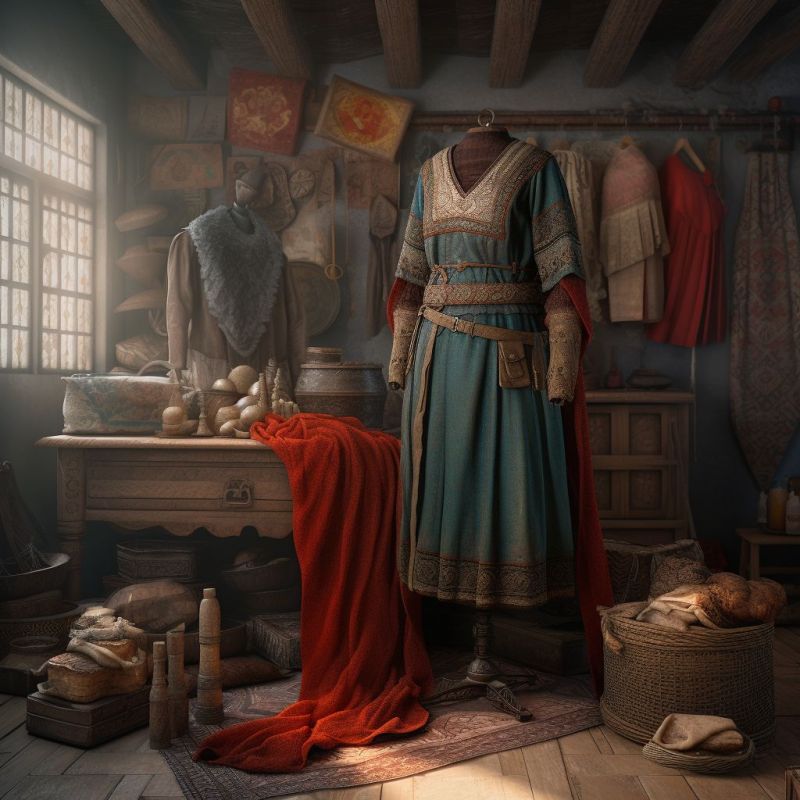
Clothes, Artisan’s1 gp
-
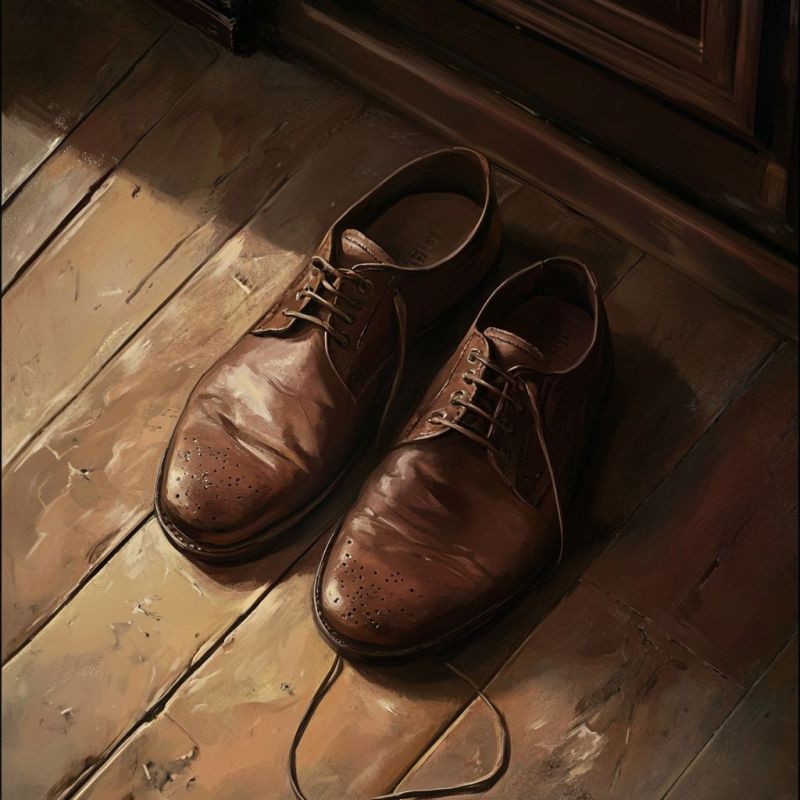
Shoes, Leather1 gp
-
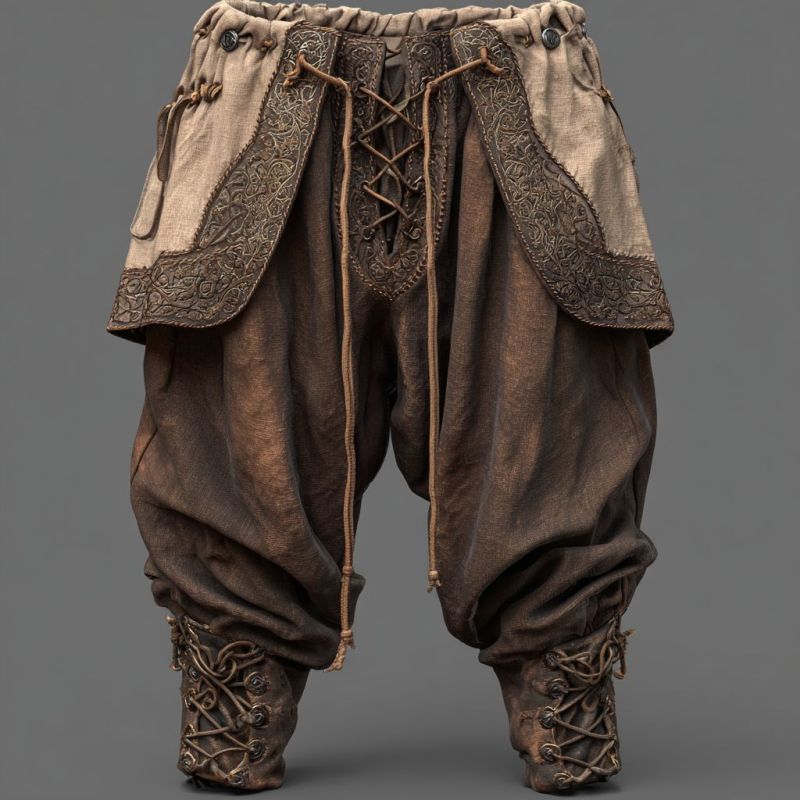
Pants, Cloth0.8 gp
-
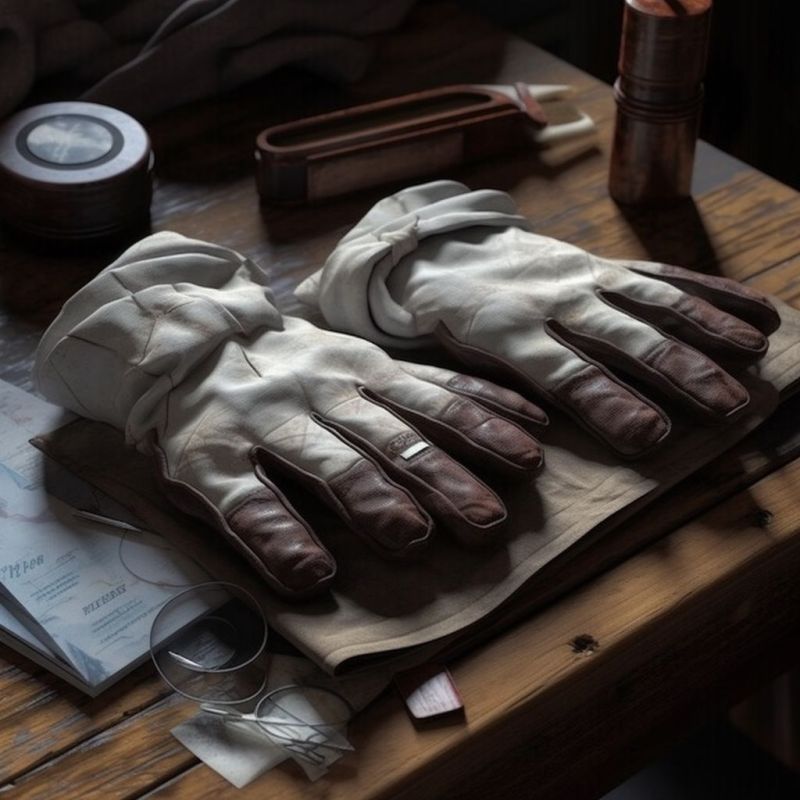
Gloves, Cloth5 gp
-
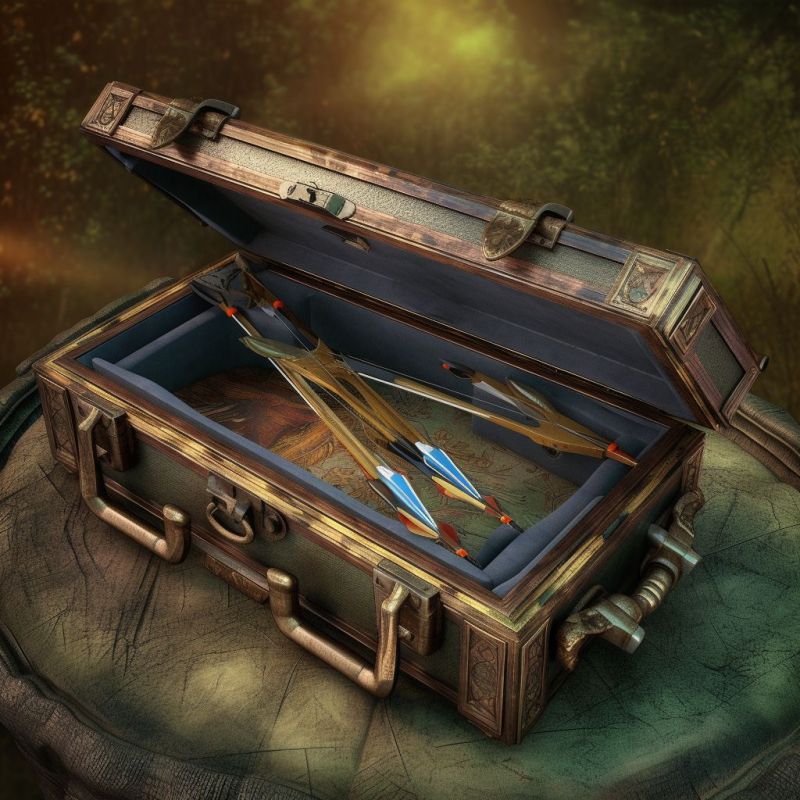
Crossbow Bolt Case1 gp
 Inventory Unequipped:
-
10 Gold Coin1 gp
-
4000 Copper Coin0.01 gp
-
450 Silver Coin0.1 gp
-
Dart1.8 0.05 gp
-
Club10.76 0.1 gp
-
Greatclub9.61 0.2 gp
-
Quarterstaff3.43 0.2 gp
-
Sickle3.66 0.2 gp
-
Javelin11.46 0.5 gp
-
Dagger4.1 2 gp
-
Pitchfork11.87 0.5 gp
-
Hatchet3.12 1 gp
-
Spear11.87 1 gp
-
Light Hammer3.29 2 gp
-
Handaxe3.12 5 gp
-
Mace11.28 5 gp
-
Pike9.82 5 gp
-
War Pick5.66 5 gp
-
Battleaxe2.95 10 gp
-
Flail10.14 10 gp
-
Shortsword5.68 10 gp
-
Anvil20 gp
-
Forge75 gp
-
Smithing Tools15 gp
-
Iron Ingot0.15 gp
-
Leather strap0.2 gp
-
Bit and Bridle2 gp
-
Bottle, Iron1.5 gp
-
Iron Slug0.01 gp
-
Bowl, Iron3 gp
-
Cage, Brass12 gp
-
Chopsticks, Iron0.1 gp
-
Cup, Iron0.5 gp
-
Fork, Iron0.3 gp
-
Small Glass Case0.6 gp
-
Lamp, Hand1 gp
-
Hauberk Barding64 250 gp
-
Bracelet, Iron1 gp
-
Bracers, Iron300 15 gp
-
Iron Spike0.1 gp
-
Jug, Iron2 gp
-
Knife, Iron0.3 gp
-
Ladle, Iron0.25 gp
-
Glass Lens, Medium1.5 gp
-
Glass Lens, Small0.5 gp
-
Magnifying Glass50 2 gp
-
Mining Pick2 gp
-
Plate, Iron2 gp
-
Platter, Iron1.5 gp
-
Pot, Iron2 gp
-
Skewer, Iron2 gp
-
Spatula, Iron0.4 gp
-
Spoon, Iron0.3 gp
-
Spyglass20 gp
-
Strainer, Iron7.5 gp
-
Hempen Rope, 50 feet1 gp
-
Block and Tackle2 gp
-
Copper Ingot3 gp
-
Copper Slug0.03 gp
-
Brazier, Copper15 gp
-
Climbing Piton0.05 gp
-
Amulet, Copper5 gp
-
Bracelet, Copper5 gp
-
Bracers, Copper150 20 gp
-
Crown, Copper10 gp
-
Earrings, Copper0.6 gp
-
Windchimes, Copper8 gp
-
Crowbar2 gp
-
Wood Plank0.16 gp
-
Dustpan0.3 gp
-
Fishing Hook0.02 gp
-
Grappling Hook2 gp
-
Hammer1 gp
-
Helmet40 gp
-
Hooded Lantern5 gp
-
Boots, Iron150 8 gp
-
Box, Iron10 gp
-
Brazier, Iron5 gp
-
Bucket, Iron1 gp
-
Chain, 10 feet5 gp
-
Chisel, Iron0.5 gp
-
Iron Cowbell0.5 gp
-
Door, Iron100 gp
-
Greaves, Iron150 2 gp
-
Handsaw, Iron0.6 gp
-
Hoe, Iron1 gp
-
Jar, Iron1 gp
-
Kettle, Iron0.5 gp
-
Iron Nail0.01 gp
-
Pan, Iron1 gp
-
Pin, Iron0.05 gp
-
Rake, Iron0.5 gp
-
Rod, Iron1 gp
-
Iron Shears0.3 gp
-
Iron Spade0.3 gp
-
Iron Thimble0.3 gp
-
Wrench, Iron1 gp
-
Key0.3 gp
-
Lance7.83 10 gp
-
Gate, Large, Iron50 gp
-
Large Saw12.51 5 gp
-
Light Crossbow1.85 25 gp
-
Longsword4.01 15 gp
-
Maul5.62 10 gp
-
Mess Kit0.5 gp
-
Phosphorus Block10 gp
-
Phosphorus Slug1 gp
-
Scythe2.14 15 gp
-
Shovel2 gp
-
Signal Whistle3 gp
-
Signet Ring5 gp
-
Silver Slug0.15 gp
-
Silver Ingot15 gp
-
Amulet, Silver25 gp
-
Iron Ore0.05 gp
-
Silver Ore3 gp
-
Sledgehammer2 gp
-
Tin Ore0.3 gp
-
Tin Ingot0.9 gp
-
Tinderbox0.05 gp
-
Whetstone0.01 gp
-
20 Crossbow Bolt0.05 gp
 Monster Bits:
-
40 Humanoid Blood0.15 gp
-
105 Animal Bone0.03 gp
-
70 Animal Fat0.5 gp
-
245 Animal Meat0.05 gp
-
35 Soft Skin0.05 gp
A dark elf man’s lithe fingers grip a blackened dagger, its blade etched with crimson runes. His velvet cloak brushes cobblestones, hair glinting violet, as the dagger hums, pulsing with faint, shadowy energy.
Dark Elves


🖤⚔️ Dark Elves: Sovereigns of Cruel Ambition
Dark Elves, stripped of the Titans’ light for their ancient betrayals, are Zin’s merciless reavers, thriving in frigid underworlds and icy wastes. 🧊 Their cold beauty masks a ruthless heart, devoted to dark gods through slavery, sacrifice, and hedonistic indulgence. Masters of sorcery and seafaring, they raid distant shores, sowing terror to fuel their quest for power and elusive immortality. In their shadowed realms, Dark Elves weave a legacy of cruelty, their every act a defiant claim to dominion over a world they scorn.
🌑 Shattered Legacy: Origins of Exile
Cast out for jealousy and treachery, Dark Elves lost the Titans’ gift, their banishment forging a race fueled by spite and ambition. 🔥 Embracing dark powers, they swore allegiance to cruel deities, trading compassion for sorcery and supremacy. Their origins lie in a sundered kinship, their once-noble heritage twisted into a vendetta against their elven cousins. Game Masters can craft their beginnings as a cursed diaspora or a pact with forbidden entities, positioning Dark Elves as vengeful exiles or harbingers of chaos.
🦴 Cold Allure: Beauty and Menace
Tall and lithe, Dark Elves mirror their elven kin but exude a chilling elegance—pale skin, sharp features, and eyes that gleam with malice. 🗡️ Clad in dark silks or rune-etched armor, their long hair, adorned with obsidian and blood-red gems, signals their cruel nobility. Their grace belies a predatory strength, honed for slaughter. GMs can describe their icy beauty or sinister poise, evoking dread as their blades flash or their laughter echoes like breaking glass.
🧙♀️ Dark Sorcery: Masters of Forbidden Magic
Dark Elves wield potent dark magic, their innate talent twisted to summon daemonic energies, weave illusions, or rend souls. 🔮 Their sorcery, fueled by blood and sacrifice, defies mortal limits but risks corruption. As they grow, they master spells that bind minds or unleash chaos. GMs can showcase their magic as devastating displays—blasts of shadow or summoned horrors—turning battles into nightmares where the air itself betrays the foe.
⚔️ Ruthless Warriors: Blades of Cruelty
In battle, Dark Elves are relentless, their agility and cunning matched by a sadistic zeal. 🩸 Wielding serrated blades, crossbows, or enchanted spears, they strike with precision, delighting in pain. Their armies, bolstered by enslaved beasts and frenzied zealots, overwhelm through fear and ferocity. GMs can craft encounters as brutal ambushes, with Dark Elves exploiting weaknesses or sowing panic, challenging players to match their merciless tactics.
🏰 Realms of Agony: Citadels of Naggaroth
Dark Elves dwell in towering cities of black stone, carved into icy cliffs or subterranean caverns, their spires piercing storm-wracked skies. 🖼️ These fortresses brim with dungeons of wailing slaves and altars drenched in blood, sustained by raids and dark rituals. GMs can design their realms as oppressive labyrinths, where players navigate treacherous courts, evade assassins, or infiltrate sacrificial temples to thwart dark schemes.
🗝️ Confronting Dark Elves: Dance with Malice
Facing Dark Elves demands resilience against their sorcery and terror tactics. 🛡️ Holy relics or radiant magic disrupt their spells, while exploiting their arrogance—through deception or defiance—can provoke reckless errors. Their reliance on slaves offers openings to sow rebellion. GMs can craft encounters as high-stakes duels or infiltrations, blending combat with intrigue as players face a foe who revels in betrayal and bloodshed.
🌌 Vortex of Vengeful Desire
Dark Elves are Zin’s shadowed scourge, their cold hearts pulsing with hatred and ambition, their blades carving misery into the world’s flesh. 🖤 From icy citadels, they unleash raids and sorcery, dreaming of a dominion built on broken foes. Whether enslaving nations or warring with their kin, they challenge heroes to face their cruelty or join their dark ascent. In their blood-soaked halls, the Druchii spin tales of unrelenting vengeance, daring the bold to extinguish their malevolent flame or be consumed by its wrath.
 Speed:
- Walking Speed: +30
 Special Senses:
- Nightsight: +60
- Contesting Roll ADV vs Status Effect:
-
 Charmed
- Skill Tier 1:
-
 Bending Weapon Skill
 -
 Common Language Skill
 -
 Elvish Language Skill
 -
 Nagh Language Skill
 -
 Umbral Language Skill
- Skill Tier 3:
-
 Attention
 -
 Sneak
Sneak
 Random Name Table Male
-
Names - Dark Elf - Male - First Name
 Random Name Table Female
-
Names - Dark Elf - Female - First Name
 Random Name Table Last Name
-
Names - Dark Elf - Last Name
Merchant - Tier 1 - Local Merchant
Local Merchants are the humble shopkeeps and street traders who keep the lifeblood of small towns and bustling city quarters flowing. 🪙 Operating cozy storefronts crammed with everyday wares — lanterns, rope, potions, and basic weapons — they eagerly buy the trinkets and minor relics adventurers drag back from nearby ruins. With a sharp eye and quicker smile, they turn dusty dungeon loot into ready coin while stocking the crafting materials heroes need to patch gear or brew simple remedies. Part of tight-knit local guilds, they enjoy quiet protection: harm one and the entire network quietly blacklists the offender with contracts and whispered warnings.
Driven by steady profit rather than grand schemes, Tier 1 Local Merchants take calculated financial risks — overstocking exotic herbs, extending credit to promising parties, or gambling on a shady shipment — but rarely step beyond the safety of their counters or guild wards. 🏪 They’re the friendly face of commerce that starting adventurers learn to trust (or haggle with), offering fair deals, local gossip, and the occasional rare find that sparks the next quest. Wise parties treat them well; today’s neighborhood merchant may one day hold the exact component needed to survive tomorrow’s danger. 🪙
 Essences:
-
Body:
+2
-
Mind:
+2
-
Soul:
+2
- Inventory Equipped:
-
Clothes, Artisan’s1 gp
-
Shoes, Leather1 gp
-
Pants, Cloth0.8 gp
-
Gloves, Cloth5 gp
- Inventory Unequipped:
-
10 Gold Coin1 gp
-
4000 Copper Coin0.01 gp
-
450 Silver Coin0.1 gp
- Skill Tier 3:
-
Attention
-
 Empathy
Smithy - Tier 1 (Subtype)
🔨⚙️ Smithy: Tier 1 Forgeman
A Tier 1 Smithy is a working metal craftsperson defined by practical forging skill, heat control, and the steady production of useful metal goods for daily life. In a flintlock fantasy setting, they are an essential trade worker whose value comes from durability, repeatability, and the ability to turn raw metal into tools, fittings, and basic equipment people actually need.
📚🔥 Training and Foundation
Tier 1 Smithies are shaped by apprenticeship, family trade, guild instruction, military contract work, or long shop experience at the forge. They understand fuel use, hammer control, heating stages, basic tempering, riveting, filing, shaping, and the differences between iron, steel, brass, copper, and other common working metals. This is not an amateur with a hammer. It is a trained metalworker who can produce functional goods that survive real use.
🧥🪵 Appearance and Bearing
These creatures usually appear in leather aprons, rolled sleeves, gloves, heavy boots, and work clothes marked by soot, scale, oil, and burn spots. Their hands are often scarred, callused, and strong from repeated hammer work. Tongs, hammers, chisels, punches, files, and measuring tools are usually close at hand. Their bearing tends to be direct, practical, and used to judging quality by feel, weight, and sound.
🔩📦 Typical Inventory
A Tier 1 Smithy commonly keeps nails, hinges, brackets, hooks, buckles, horseshoes, cooking hooks, pot handles, fireplace tools, knives, hatchets, simple tools, shovel heads, tongs, locks, chains, rivets, barrel hoops, lantern frames, cutlery blanks, iron fittings, wagon parts, stove plates, musket fittings, and partially finished repair jobs waiting on assembly or pickup. Depending on the district, they may also stock simple blades, farming tools, ship hardware, or low-grade armor pieces.
🧠⚖️ Working Style
Their working style is repetitive, heat-focused, and utility-driven. A Tier 1 Smithy cuts stock, heats metal, shapes it in stages, and finishes it through filing, riveting, punching, or simple assembly. They are expected to produce durable work rather than refined masterworks. Speed matters, but consistency matters more, especially when customers rely on the item for labor, travel, or trade.
💰⛓️ Trade and Practical Role
What defines this subtype is necessary metal utility. Tier 1 Smithies make the hardware of ordinary life: the pieces that hold doors, wagons, kitchens, docks, workshops, weapons, and tools together. Their work serves farmers, sailors, taverns, teamsters, soldiers, merchants, cooks, builders, and anyone else who needs metal goods that function without failing. In a flintlock fantasy economy, a smithy is part of local infrastructure.
🏪🔥 Business and Workspace
Tier 1 Smithies usually work from street forges, attached workshops, military yards, dockside shops, village smithhouses, or market-adjacent workrooms where smoke, noise, and cart access are manageable. Their space is organized around forge, anvil, quench barrel, fuel stores, racks of stock metal, tool walls, and shelves of finished or half-finished pieces. A busy shop may include apprentices or laborers handling bellows, carrying stock, or finishing simple parts.
🏙️👥 Common Roles
These creatures are commonly found as village blacksmiths, dockside metalworkers, military contract smiths, farriers, hardware makers, tool forgers, repair smiths, or general metal tradespeople serving neighborhoods with constant practical demand. In settlements, they are often among the most dependable and necessary artisans because other trades rely on their output.
👑🪙 Place in Society
A Tier 1 Smithy usually holds modest but steady status. They are rarely elegant, but they are widely respected when reliable because their failures are obvious and their successes are used every day. In a flintlock fantasy setting, a good smithy is a practical constant in towns, ports, forts, and trade roads.
📈🔨 Tier Meaning
Tier 1 represents the earliest stage of the smithy role: dependable forging, practical inventory, basic metal shaping, and strong daily utility. The core fantasy is present—heat, hammer, metal, and trade through useful production—but it remains grounded in ordinary workshop output rather than elite weapons, fine armor, or major industrial authority.
- Inventory Equipped:
-
Crossbow Bolt Case1 gp
- Inventory Unequipped:
-
Dart1.8 0.05 gp
-
Club10.76 0.1 gp
-
Greatclub9.61 0.2 gp
-
Quarterstaff3.43 0.2 gp
-
Sickle3.66 0.2 gp
-
Javelin11.46 0.5 gp
-
Dagger4.1 2 gp
-
Pitchfork11.87 0.5 gp
-
Hatchet3.12 1 gp
-
Spear11.87 1 gp
-
Light Hammer3.29 2 gp
-
Handaxe3.12 5 gp
-
Mace11.28 5 gp
-
Pike9.82 5 gp
-
War Pick5.66 5 gp
-
Battleaxe2.95 10 gp
-
Flail10.14 10 gp
-
Shortsword5.68 10 gp
-
Anvil20 gp
-
Forge75 gp
-
Smithing Tools15 gp
-
Iron Ingot0.15 gp
-
Leather strap0.2 gp
-
Bit and Bridle2 gp
-
Bottle, Iron1.5 gp
-
Iron Slug0.01 gp
-
Bowl, Iron3 gp
-
Cage, Brass12 gp
-
Chopsticks, Iron0.1 gp
-
Cup, Iron0.5 gp
-
Fork, Iron0.3 gp
-
Small Glass Case0.6 gp
-
Lamp, Hand1 gp
-
Hauberk Barding64 250 gp
-
Bracelet, Iron1 gp
-
Bracers, Iron300 15 gp
-
Iron Spike0.1 gp
-
Jug, Iron2 gp
-
Knife, Iron0.3 gp
-
Ladle, Iron0.25 gp
-
Glass Lens, Medium1.5 gp
-
Glass Lens, Small0.5 gp
-
Magnifying Glass50 2 gp
-
Mining Pick2 gp
-
Plate, Iron2 gp
-
Platter, Iron1.5 gp
-
Pot, Iron2 gp
-
Skewer, Iron2 gp
-
Spatula, Iron0.4 gp
-
Spoon, Iron0.3 gp
-
Spyglass20 gp
-
Strainer, Iron7.5 gp
-
Hempen Rope, 50 feet1 gp
-
Block and Tackle2 gp
-
Copper Ingot3 gp
-
Copper Slug0.03 gp
-
Brazier, Copper15 gp
-
Climbing Piton0.05 gp
-
Amulet, Copper5 gp
-
Bracelet, Copper5 gp
-
Bracers, Copper150 20 gp
-
Crown, Copper10 gp
-
Earrings, Copper0.6 gp
-
Windchimes, Copper8 gp
-
Crowbar2 gp
-
Wood Plank0.16 gp
-
Dustpan0.3 gp
-
Fishing Hook0.02 gp
-
Grappling Hook2 gp
-
Hammer1 gp
-
Helmet40 gp
-
Hooded Lantern5 gp
-
Boots, Iron150 8 gp
-
Box, Iron10 gp
-
Brazier, Iron5 gp
-
Bucket, Iron1 gp
-
Chain, 10 feet5 gp
-
Chisel, Iron0.5 gp
-
Iron Cowbell0.5 gp
-
Door, Iron100 gp
-
Greaves, Iron150 2 gp
-
Handsaw, Iron0.6 gp
-
Hoe, Iron1 gp
-
Jar, Iron1 gp
-
Kettle, Iron0.5 gp
-
Iron Nail0.01 gp
-
Pan, Iron1 gp
-
Pin, Iron0.05 gp
-
Rake, Iron0.5 gp
-
Rod, Iron1 gp
-
Iron Shears0.3 gp
-
Iron Spade0.3 gp
-
Iron Thimble0.3 gp
-
Wrench, Iron1 gp
-
Key0.3 gp
-
Lance7.83 10 gp
-
Gate, Large, Iron50 gp
-
Large Saw12.51 5 gp
-
Light Crossbow1.85 25 gp
-
Longsword4.01 15 gp
-
Maul5.62 10 gp
-
Mess Kit0.5 gp
-
Phosphorus Block10 gp
-
Phosphorus Slug1 gp
-
Scythe2.14 15 gp
-
Shovel2 gp
-
Signal Whistle3 gp
-
Signet Ring5 gp
-
Silver Slug0.15 gp
-
Silver Ingot15 gp
-
Amulet, Silver25 gp
-
Iron Ore0.05 gp
-
Silver Ore3 gp
-
Sledgehammer2 gp
-
Tin Ore0.3 gp
-
Tin Ingot0.9 gp
-
Tinderbox0.05 gp
-
Whetstone0.01 gp
-
20 Crossbow Bolt0.05 gp
- Skill Tier 3:
-
 Smithing


