Menu
 Ancestries
 Backgrounds
 Lineages
 Classes
 Subclasses
 Spells
 Curses
 Mentas
 Sanguines
 Feats
Feats
 Passive
 Full
Full
 Standard
 Quick
Quick
 Attack
 Free
Free
 Reaction
 Opp. Attack
 Innate Skills
 Gathering Skills
 Knowledge Skills
 Crafting Skills
 Weapon Skills
 Armor Skills
 Defensive Skills
 Status Effects
 Crafting
 Alchemy
 Art
Art
 Cooking
 Enchanting
 Glassblowing
 Jewelling
 Leatherworking
 Machining
 Masoning
 Smithing
 Weaving
 Woodworking
View All Crafting
View All Rules
Woodworking
View All Crafting
View All Rules


















































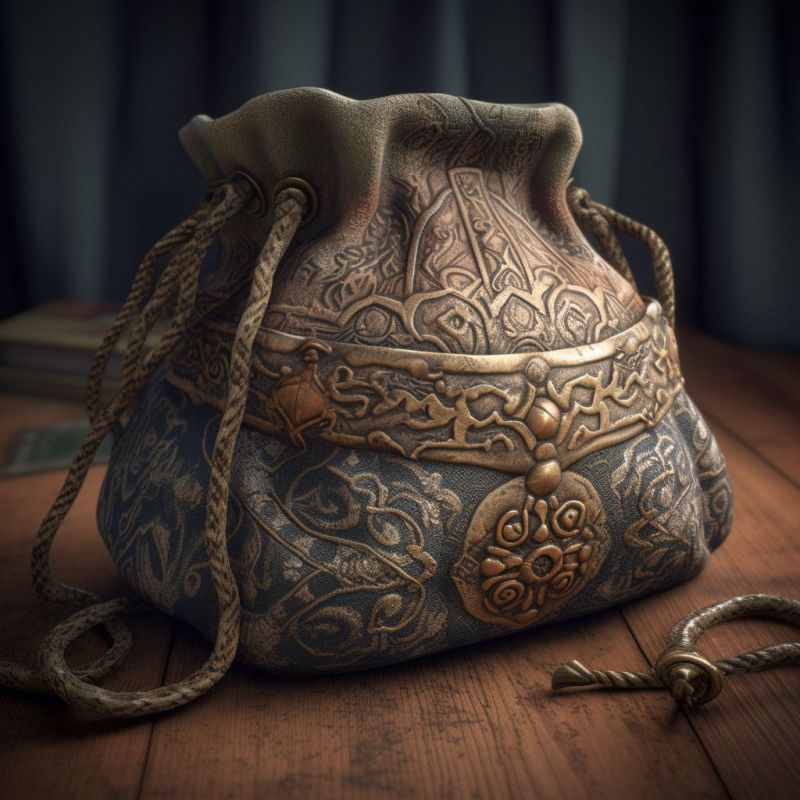
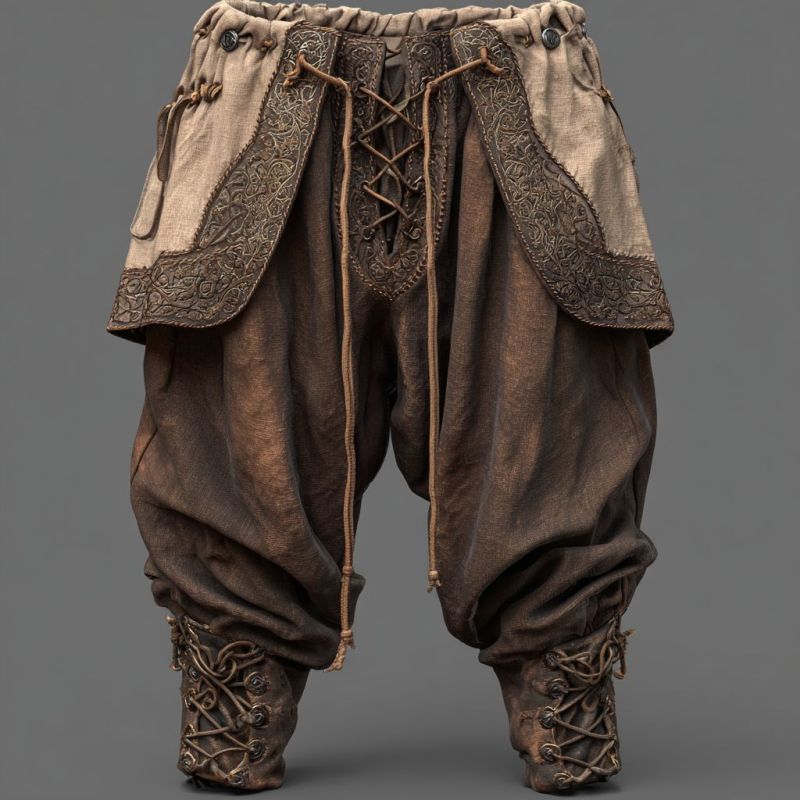
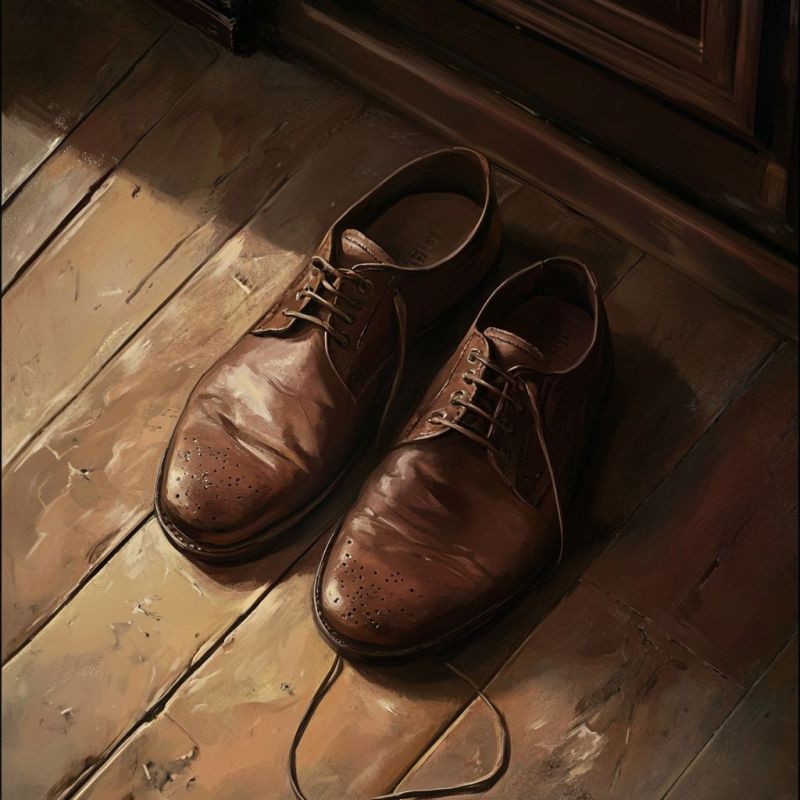
 Inventory Equipped:
-
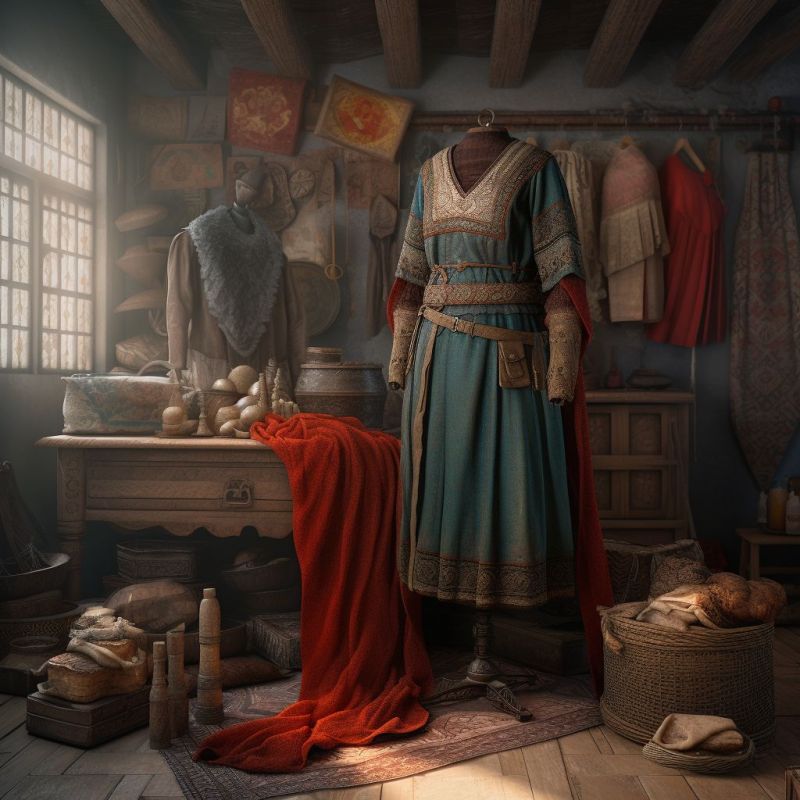
Clothes, Artisan’s1 gp
-
Pants, Cloth0.8 gp
-
Shoes, Leather1 gp
-
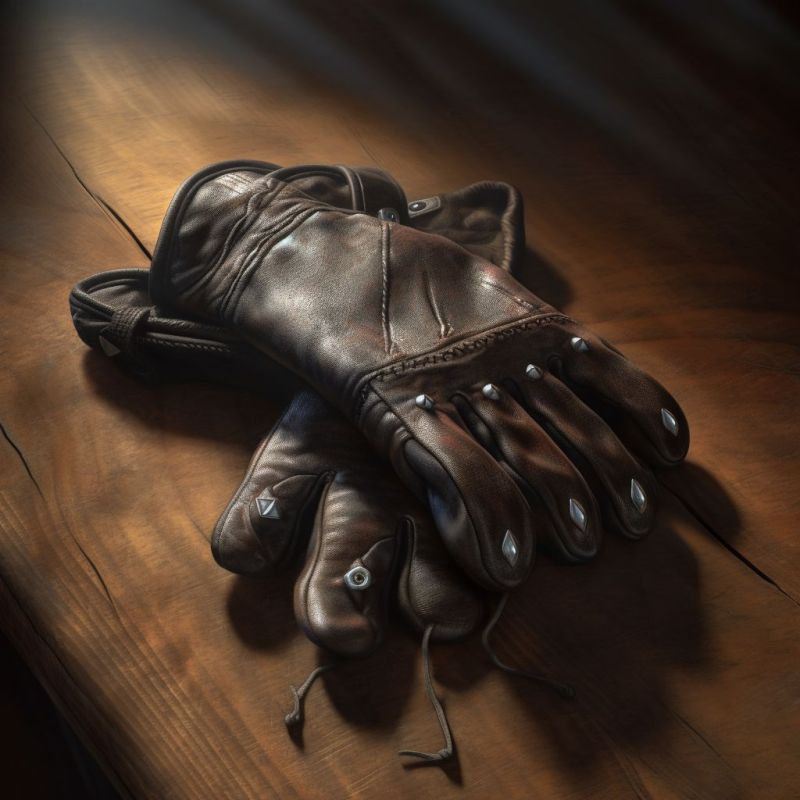
Gloves, Leather5 gp
-
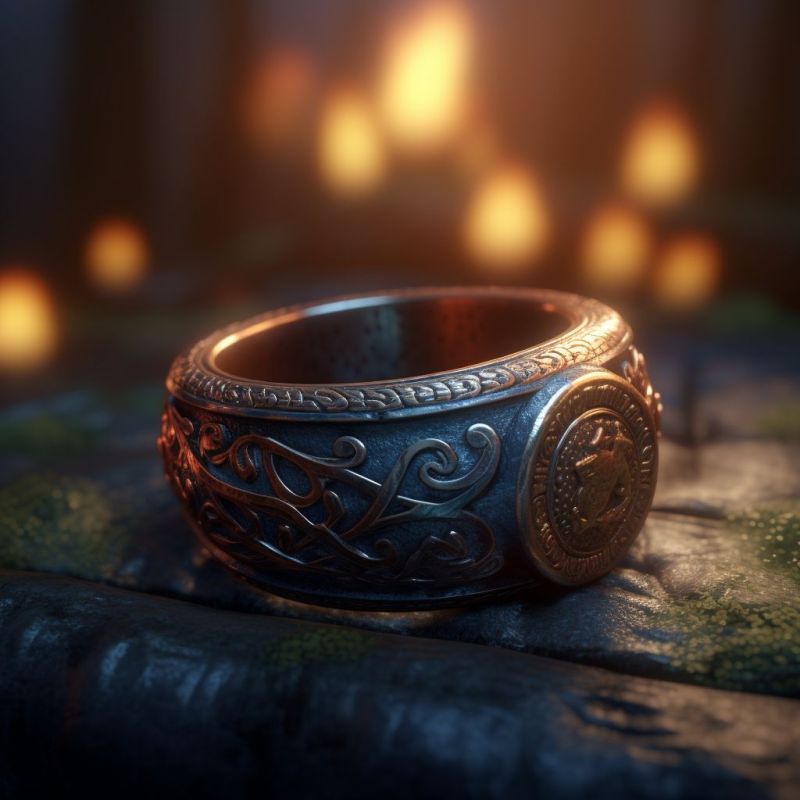
Guild Ring5 gp | Self Teleport
-
Pouch0.5 gp
 Inventory Unequipped:
-
7750 Gold Coin1 gp
-
15000 Copper Coin0.01 gp
-
120000 Silver Coin0.1 gp
-
10 Platinum Coin10 gp
-
20 Painting Tools15 gp
-
20 Tapestry, Large50 gp
-
20 Fresco, Large100 gp
-
20 Artwork, Tier 6100 gp
-
20 Artwork, Tier 550 gp
-
20 Artwork, Tier 425 gp
-
20 Tapestry, Medium3 gp
-
20 Tapestry, Small1 gp
-
20 Fresco, Small10 gp
-
20 Fresco, Medium30 gp
-
20 Porcelain Teapot2 gp
-
20 Porcelain Teacup0.3 gp
-
20 Pitcher0.02 gp
-
20 Vase, Ceramic20 gp
-
20 Artwork, Tier 310 gp
-
20 Artwork, Tier 25 gp
-
20 Artwork, Tier 11 gp
-
20 Artwork, Tier 7250 gp
-
20 Artwork, Tier 8600 gp
-
20 Fresco, Huge800 gp
-
20 Tapestry, Huge250 gp
 At Will Spell(s):
-
Fire Bolt20
 0
0

-
Thaumaturgy
0

-
Self Teleport
6

 Monster Bits:
-
40 Humanoid Blood0.15 gp
-
105 Animal Bone0.03 gp
-
70 Animal Fat0.5 gp
-
245 Animal Meat0.05 gp
-
35 Soft Skin0.05 gp
A demonfolk woman’s clawed hands wield a smoldering whip, its thorny length glowing crimson. Her scaled tail sways, boots grinding ash, as the whip cracks, trailing sparks of molten, sulfur-scented flame.
Demonfolks


🔥👹 Demonfolks: Born of Chaos and Flame
Demonfolks, forged in the searing crucible of the Endless Abyss, are Zin’s harbingers of destruction, their bloodlines tracing back to ancient demons who once ravaged the mortal plane. 🌋 Wreathed in infernal fire and tempered by agony, they wield chaotic might that makes them both feared and formidable. With hearts ablaze and resilience born of suffering, Demonfolks are a tempest of power, their presence a warning of the Abyss’s unrelenting wrath.
🌑 Abyssal Origins: Spawned in Torment
Demonfolks descend from demons who breached Zin’s realms, their lineage steeped in the chaos and flame of the Abyss. 🩸 Shrouded in dread, their origins speak of cataclysmic pacts or unholy births that bind them to a realm of eternal torment. Game Masters can craft their beginnings as eruptions of demonic invasion or cursed unions, casting Demonfolks as agents of ruin or reluctant heirs of chaos.
🦴 Fierce Form: Ember and Menace
Tall and imposing, Demonfolks bear marks of their infernal heritage—glowing eyes, smoldering skin, or jagged horns. 🔥 Clad in scorched armor or flowing cloaks that flicker like flames, their presence radiates heat and danger. GMs can describe their molten aura or thunderous steps, evoking a primal terror that shakes even the bravest hearts.
🪄 Infernal Might: Power of the Abyss
Demonfolks channel the Abyss’s chaotic energies, unleashing torrents of flame, shattering earth with a gesture, or twisting minds with dread. 🌪️ Their resilience shrugs off pain, making them relentless in battle. GMs can showcase their powers as cataclysmic displays—blazing infernos or quaking rifts—turning encounters into apocalyptic struggles where the ground burns and the air screams.
🏰 Realms of Ruin: Citadels of Flame
Demonfolks dwell in scorched fortresses or abyssal chasms, their lairs pulsing with heat and littered with the bones of foes. 🖤 These domains, whether hidden in Zin’s wastelands or carved into volcanic depths, are bastions of chaos. GMs can design them as fiery labyrinths, where players face molten traps or demonic minions to confront the heart of infernal power.
⚔️ Confronting Demonfolks: Defying the Inferno
Battling Demonfolks tests courage against their overwhelming might. 🛡️ Holy wards or ice-born magic can douse their flames, while exploiting their reckless fury may turn their strength against them. GMs can stage clashes as desperate stands amid blazing ruins, where players must outlast their fiery onslaught or risk being consumed by chaos.
🌌 Legacy of Eternal Fire
Demonfolks are Zin’s blazing scourge, their infernal blood a conduit for chaos and destruction. 👹 From ashen strongholds, they unleash flames that reshape the world, their wrath a testament to the Abyss’s might. Whether as apocalyptic foes or tragic outcasts, they challenge heroes to quench their fire or be burned, their saga a roar of unrelenting fury that echoes through Zin’s ages.
- At Will Spell(s):
-
Fire Bolt20
0
-
Thaumaturgy
0
 Speed:
- Walking Speed: +30
 Special Senses:
- Nightsight: +60
- Damage Type Resistance:
-
 Fire
Fire
- Skill Tier 1:
-
 Abyssal Language Skill
 -
 Bending Weapon Skill
 -
 Common Language Skill
 Random Name Table Male
-
Names - Devilfolk & Demonfolk - Male - First
 Random Name Table Female
-
Names - Devilfolk & Demonfolk - Female - First
 Random Name Table Last Name
-
Names - Devilfolk & Demonfolk - Virtue (Last Name)
Merchant - Tier 3 - City Merchant
City Merchants are the opulent powerbrokers who rule the grand bazaars and towering emporiums of major metropolises, their lavish storefronts glittering with high-end wonders. 🪙 Spacious halls overflow with elite gear — masterwork weapons that hum with enchantment, potent elixirs capable of turning the tide of battle, and rare crafting materials like phoenix ash, abyssal crystal, and threads spun from starlight. They eagerly acquire the most valuable relics and dungeon treasures adventurers haul from perilous depths, converting legendary plunder into mountains of coin while offering the exact components needed for legendary creations. Backed by continent-spanning guilds bound by ironclad contracts, they command formidable protection: slight one and blacklists sweep across kingdoms, bounties ignite overnight, and entire trade empires close their doors to the offender.
Profit is their lifeblood and only true allegiance. City Merchants thrive on colossal financial risks — wagering fortunes on black-market artifacts, extending vast lines of credit to renowned parties, or cornering markets on scarce magical resources — yet they never risk their own skin. 🏪 Always one step ahead through whispered guild intelligence and enchanted ledgers, they’re the sophisticated allies (or calculated rivals) who can elevate a party from local heroes to realm-shaking legends. Smart adventurers nurture these relationships early; a City Merchant’s favor today can deliver the forbidden relic or high-stakes commission that turns tomorrow’s doom into destiny. 🪙
 Essences:
-
Body:
+4
-
Mind:
+4
-
Soul:
+4
- Inventory Equipped:
-
Clothes, Artisan’s1 gp
-
Pants, Cloth0.8 gp
-
Shoes, Leather1 gp
-
Gloves, Leather5 gp
-
Guild Ring5 gp | Self Teleport
-
Pouch0.5 gp
- Inventory Unequipped:
-
7750 Gold Coin1 gp
-
15000 Copper Coin0.01 gp
-
120000 Silver Coin0.1 gp
-
10 Platinum Coin10 gp
- Merchant
-
This merchant's wares are tagged with teleportation magic as a contingency. Should the merchant fall in battle, most of their inventory will shimmer and vanish—teleported to a secure location. Only coins and a handful of items that slip through the contingency remain behind.
- Skill Tier 8:
-
 Attention
 -
 Empathy
Artist - Tier 3 (Subtype)
🎨🖌️ Artist: Tier 3 Master Artisan
A Tier 3 Artist is an accomplished creative professional whose technical mastery, refined personal style, and strong reputation make them a significant cultural presence in their region. They are no longer simply producing admired work. At this tier, their name, methods, and finished pieces carry prestige of their own.
📚🪵 Training and Foundation
Tier 3 Artists are extensively shaped by major apprenticeships, guild recognition, temple or noble commissions, workshop leadership, or decades of focused practice. They understand composition, symbolism, material quality, restoration, presentation, and patron expectation at a high level. Their craft is no longer only practiced skill. It is authoritative skill.
👁️🧵 Appearance and Bearing
These creatures usually appear as renowned painters, sculptors, mural masters, iconographers, portraitists, engravers, ceramic specialists, manuscript illuminators, or workshop heads whose style is recognized on sight. Their clothing is practical but better made, often carrying the marks of an established trade: wrapped tools, protected cases, pigment boxes, rolled commission drafts, carved stamps, or fine aprons suited to expensive work. They carry themselves like professionals used to patrons, deadlines, and scrutiny.
🖼️🛒 Typical Inventory
A Tier 3 Artist commonly offers high-quality portraits, polished landscape paintings, carved shrine pieces, decorative statues, painted screens, illuminated folios, ceremonial masks, etched memorial plaques, custom murals, fine ceramic sets, lacquered boxes, workshop samples, rare pigments, premium brushes, protective varnishes, and commissioned pieces awaiting delivery. Their stock is often curated rather than broad, with finished works meant to demonstrate mastery and attract wealthy or important clients.
🧠📐 Working Style
Their working style is controlled, intentional, and distinctly recognizable. A Tier 3 Artist can execute traditional forms at a high level, but clients often seek them out specifically for their hand, their composition, or the prestige tied to their work. They manage complex commissions, large decorative projects, restoration of important pieces, and work that must impress in public, sacred, or elite settings.
🏠🕯️ Social and Economic Role
What defines this subtype is cultural influence through skilled production. Tier 3 Artists do more than decorate homes or shops. They help define how temples, noble houses, guildhalls, memorials, and public spaces present themselves. Their work may preserve lineage, mark victories, shape civic identity, or become the visual standard others imitate.
💰📦 Trade and Mobility
Tier 3 Artists often work from an established studio, guild-backed workshop, temple annex, or patron-funded space, sometimes with assistants, apprentices, or dedicated suppliers. They are more likely to live on a mix of elite commissions, restoration work, ceremonial projects, and select direct sales. Their income is tied less to volume and more to reputation, access, and the importance of the clients they serve.
🏘️👥 Common Roles
These creatures are commonly found as master portraitists, temple mural leaders, court artists, guild-approved sculptors, respected manuscript decorators, memorial engravers, or heads of workshops trusted with expensive and visible projects. In settlements, they are often the ones chosen when the work must last, impress, or carry social meaning.
👑🪙 Place in Society
A Tier 3 Artist holds real status within cultural, religious, or mercantile circles. Patrons seek them not only for quality, but for reputation. Their work may hang in halls, stand in shrines, accompany ceremonies, or be gifted as a display of wealth and discernment. Their opinion on style, presentation, and artistic value may influence other makers and buyers alike.
📈🎭 Tier Meaning
Tier 3 represents an artist that has grown into a major creative presence. The core traits—technical skill, creative labor, sellable work, and cultural value—have matured into prestige, influence, and recognized mastery. This is no longer just a respected artisan. It is a master artisan whose work helps define the look of a place and the memory of its people.
- Skill Roll ADV:
-
 Art
Art
- Inventory Unequipped:
-
20 Painting Tools15 gp
-
20 Tapestry, Large50 gp
-
20 Fresco, Large100 gp
-
20 Artwork, Tier 6100 gp
-
20 Artwork, Tier 550 gp
-
20 Artwork, Tier 425 gp
-
20 Tapestry, Medium3 gp
-
20 Tapestry, Small1 gp
-
20 Fresco, Small10 gp
-
20 Fresco, Medium30 gp
-
20 Porcelain Teapot2 gp
-
20 Porcelain Teacup0.3 gp
-
20 Pitcher0.02 gp
-
20 Vase, Ceramic20 gp
-
20 Artwork, Tier 310 gp
-
20 Artwork, Tier 25 gp
-
20 Artwork, Tier 11 gp
-
20 Artwork, Tier 7250 gp
-
20 Artwork, Tier 8600 gp
-
20 Fresco, Huge800 gp
-
20 Tapestry, Huge250 gp
- Merchant
-
This merchant's wares are tagged with teleportation magic as a contingency. Should the merchant fall in battle, most of their inventory will shimmer and vanish—teleported to a secure location. Only coins and a handful of items that slip through the contingency remain behind.
- Skill Tier 8:
-
Art


