Menu
 Ancestries
 Backgrounds
 Lineages
 Classes
 Subclasses
 Spells
 Curses
 Mentas
 Sanguines
 Feats
Feats
 Passive
 Full
Full
 Standard
 Quick
Quick
 Attack
 Free
Free
 Reaction
 Opp. Attack
 Innate Skills
 Gathering Skills
 Knowledge Skills
 Crafting Skills
 Weapon Skills
 Armor Skills
 Defensive Skills
 Status Effects
 Crafting
 Alchemy
 Art
Art
 Cooking
 Enchanting
 Glassblowing
 Jewelling
 Leatherworking
 Machining
 Masoning
 Smithing
 Weaving
 Woodworking
View All Crafting
View All Rules
Woodworking
View All Crafting
View All Rules





















































 Inventory Equipped:
-
Clothes, Artisan’s1 gp
-
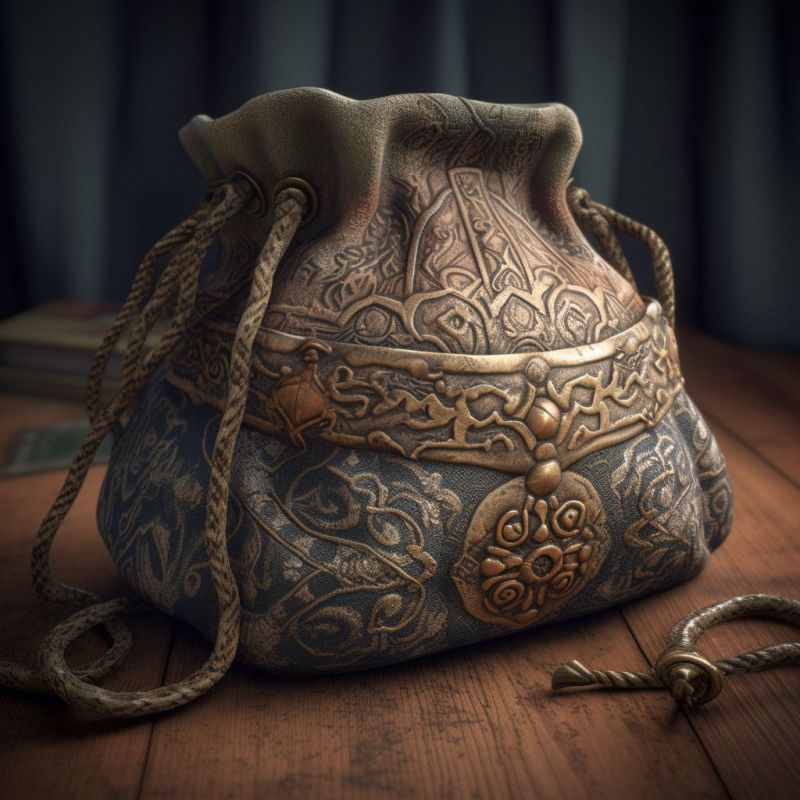
Pouch0.5 gp
-
Bag of Holding5000 gp
-
Guild Ring5 gp | Self Teleport
-
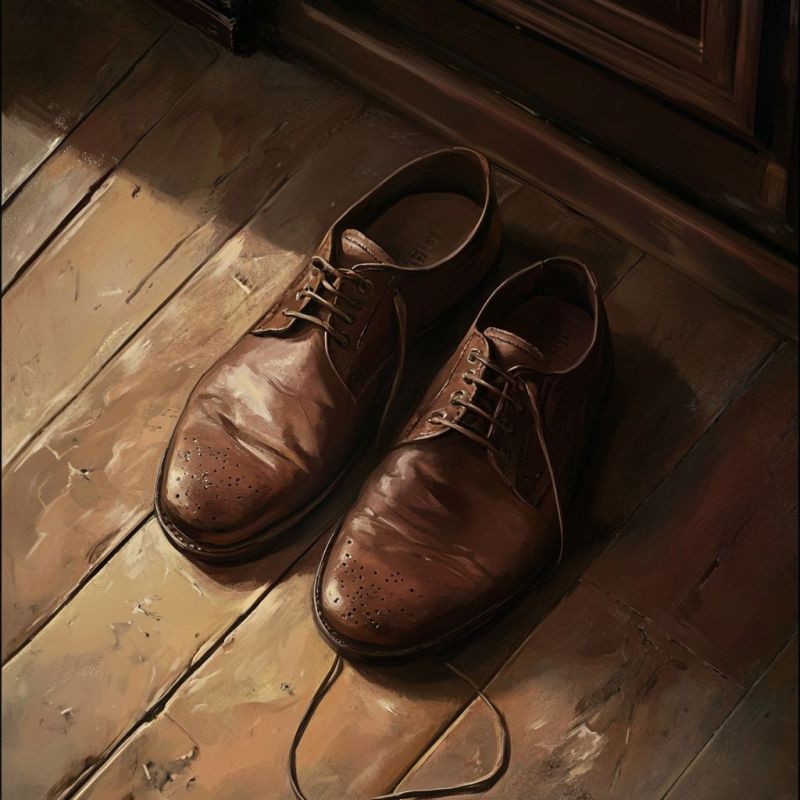
Shoes, Leather1 gp
-
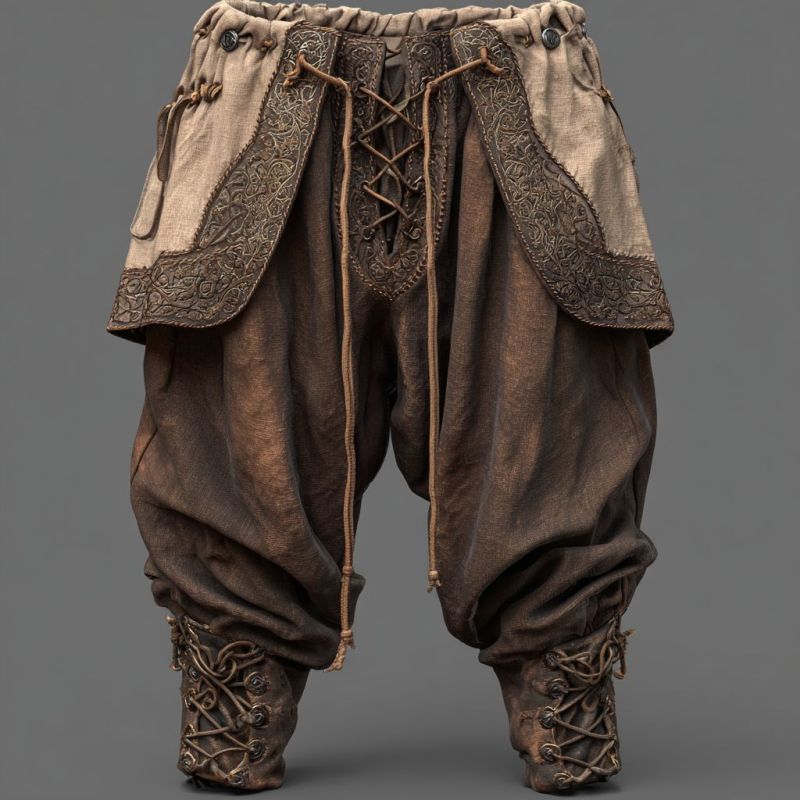
Pants, Cloth0.8 gp
 Inventory Unequipped:
-
20 Bark, Oak0.05 gp
-
20 Potion of Moonshield50 gp
-
20 Tiger Eye1 gp
-
20 Potion of Attention50 10 gp
-
20 Poison, Minor10 gp
-
20 Goblin Root Herb10 gp
-
20 Elixir of Cold Resistance27.5 45 gp
-
20 Kheper Salt2.5 gp
-
20 Elixir of Barkskin30 gp
-
20 Bellflower Herb10 gp
-
20 Potion of Clairvoyance200 gp
-
20 Elixir of Animal Speaking13 gp
-
20 Elixir of Acid Resistance27.5 45 gp
-
20 Salvia Herb5 gp
-
20 Ink, 1-ounce bottle10 gp
-
20 Potion of Bravery60 15 gp
-
20 Verdant Moss5 gp
-
20 Eel Petal Herb5 gp
-
20 Elixir of Vigilance50 25 gp
-
20 Basilisk's Eye5 gp
-
20 Potion of Love25.5 50 gp
-
20 Sealing Wax0.5 gp
-
20 Sap, Tree1 gp
-
20 Perfume, Vial5 gp
-
20 Lye0.1 gp
-
20 Timber0.08 gp
-
20 Lamp Oil0.1 gp
-
20 Tallow0.55 gp
-
20 Potion of Day Eyes27.5 50 gp
-
20 Freefire Herb40 gp
-
20 Basilisk Oil186 10 gp
-
20 Potion of Invisibility7 65 gp
-
20 Ectoplasm5 gp
-
20 Potion of Glorious Vaulting30 gp
-
20 Potion of Flying50 gp
-
20 Edelweiss Herb50 gp
-
20 Potion of Feather Fall20 gp
-
20 Wolfsbane Herb10 gp
-
20 Potion of Comprehend Languages50 gp
-
20 Potion of Climbing48 20 gp
-
20 Potion of Dragons Breath41.49 2000 gp
-
20 Fire Giant Finger50 gp
-
20 Elixir of Fire Giant Strength145 gp
-
20 Frost Giant Finger50 gp
-
20 Elixir of Frost Giant Strength145 gp
-
20 Stone Giant Finger45 gp
-
20 Elixir of Stone Giant Strength130 gp
-
20 Healing Potion, Master200 gp
-
20 Holy Oil250 gp
-
20 Potion of Angelic Reprieve90 gp
-
20 Elixir of Cloud Giant Strength160 gp
-
20 Illusion Dust500 gp
-
20 Leviathan Blood500 gp
-
20 Elixir of Enhanced Mind30000 gp
-
20 Potion of Gaseous Form300 gp
-
20 Dragon Heart1000 gp
-
20 Potion of Resurrection5000 gp
-
20 Slow Poison15.4 200 gp
-
20 Half Fiend's Blood20 gp
-
20 Veinfire52.8 400 gp
-
20 Rotten Flesh0.05 gp
-
20 Antidote60 8 gp
-
20 Potion of Poison20 gp
-
20 Insect Repellent, Block10 gp
-
20 Vial, Glass0.03 gp
-
20 Glue1 gp
-
20 Alchemy Tools15 gp
-
20 Antitoxin, Vial50 16 gp
-
20 Acid, Vial16 gp
-
20 Warp Potion300 30 gp
-
20 Elixir of Psychic Resistance27.5 45 gp
-
20 Stinging Nettle Syrup26.18 40 gp
-
20 Smelling Salt208 5 gp
-
20 Self-Assuring Elixir75 50 gp
-
20 Regeneration Potion, Minor50 gp
-
20 Potion of Vitality180 50 gp
-
20 Potion of Spirit Safeguard30 50 gp
-
20 Potion of Speak with Animals20 gp
-
20 Black Cohosh Herb5 gp
-
20 Cloud Giant Finger55 gp
-
20 Blackthorn Herb15 gp
-
20 Sunflower Herb5 gp
-
20 Flask, Glass0.03 gp
-
20 Emberstalk Herb5 gp
-
20 Drinking Water0.01 gp
-
20 Citronella Herb0.1 gp
-
20 Kaeth Herb10 gp
-
20 Starflower Herb100 gp
-
20 Baptisia Herb5 gp
-
20 Elixir of Viciousness30 50 gp
-
20 Alchemist's Fire5.01 13 gp
-
20 Elixir of Thunder Resistance27.5 45 gp
-
20 Elixir of See Invisibility40 gp
-
20 Bloodroot Herb30 gp
-
20 Elixir of Radiant Resistance27.5 45 gp
-
20 Regeneration Potion, Adept100 gp
-
20 Dragon Blood10 gp
-
20 Potion of Draconic Might172.4 500 gp
-
20 Potion of Dragon's Gullet8.43 100 gp
-
20 Potion of Enlarge Target100 gp
-
20 Stormvine Herb30 gp
-
20 Elixir of Lightning Resistance27.5 45 gp
-
20 Nightshade Herb5 gp
-
20 Eyebright Herb5 gp
-
20 Elixir of Poison Resistance27.5 45 gp
-
20 Elixir of Peerless Focus70 30 gp
-
20 Snapdragon Herb5 gp
-
20 Elixir of Necrotic Resistance27.5 45 gp
-
20 Lunar Root Herb5 gp
-
20 Faerie Blossom Herb15 gp
-
20 Oil of Slipperiness50 gp
-
20 Elixir of Freedom of Movement152 400 gp
-
20 Ooze Slime5 gp
-
20 Star Thistle Herb5 gp
-
20 Elixir of Force Resistance27.5 45 gp
-
20 Elixir of Fire Resistance27.5 45 gp
-
20 Dragons Elemental Sack500 gp
-
20 Dream Dust5 gp
-
20 Elixir of Water Breathing25 gp
-
20 Mugwort Herb1 gp
-
20 Bone, dust0.05 gp
-
20 Elixir of Hill Giant Strength100 gp
-
20 Potion of Mind Reading30 gp
-
20 Elixir of Poison Immunity200 1000 gp
-
20 Silverleaf Herb25 gp
-
20 Elixir of Thunder Immunity200 1000 gp
-
20 Healing Potion, Major20 100 gp
-
20 Devil's Claw Herb50 gp
-
20 Laughing Gas43.12 100 gp
-
20 Potion of Bless100 gp
-
20 Gnoll Ear20 gp
-
20 Animal Fat0.5 gp
-
20 Oil of Sharpness50 gp
-
20 Oil of Accuracy30 gp
-
20 Insect Repellent, Salve30 gp
-
20 Holy Water, Flask25 gp
-
20 Silver, powdered25 gp
-
20 Healing Potion, Minor20 15 gp
-
20 Healing Potion, Adept-15 30 gp
-
20 Soap0.02 gp
-
20 Elixir of Giant Size120 gp
-
20 Animal Blood0.1 gp
-
20 Potion of Haste7 100 gp
-
20 Vampire's Bane Herb50 gp
-
20 Potion of Diminution100 gp
-
20 Regeneration Potion, Master500 gp
-
20 Hydra Blood200 gp
-
20 Shimmering Truth36.47 50 gp
-
20 Suggestion Gas-26.9 30 gp
-
20 Thunder Bomb30 gp
-
20 Magical Ink50 gp
-
20 Stop Poison46.2 175 gp
-
20 Elixir of Lightning Immunity200 1000 gp
-
20 Elixir of Acid Immunity200 1000 gp
-
20 Dragon's Bane Herb50 gp
-
20 Elixir of Cold Immunity200 1000 gp
-
20 Elixir of Fire Immunity200 1000 gp
-
20 Scoparia Herb50 gp
-
20 Hill Giant Finger40 gp
-
20 Leviathan Magic Core15000 gp
-
20 Potion of Enhanced Mind2000 gp
-
20 Elixir of Storm Giant Strength250 gp
-
20 Storm Giant Finger65 gp
-
20 Oil of Etherealness2000 gp
-
20 Phoenix Ash Herb500 gp
-
20 Potion of Angelic Slumber33.6 1000 gp
-
20 Potion of Damage Resistance395 500 gp
-
20 Dragon Turtles Tyrant Heart10000 gp
-
20 Potion of Dragon Turtle Transformation30000 gp
-
20 Sovereign Glue0 gp
-
69700 Gold Coin1 gp
-
20000 Copper Coin0.01 gp
-
300000 Silver Coin0.1 gp
-
100 Platinum Coin10 gp
- Passive Abilities:
-
Bag of Holding Fragility-1000 gp
-
Never Cross the Planes1000 gp
 At Will Spell(s):
-
Fire Bolt20
 0
0

-
Thaumaturgy
0

-
Self Teleport
6

 Monster Bits:
-
50 Humanoid Blood0.15 gp
-
126 Animal Bone0.03 gp
-
85 Animal Fat0.5 gp
-
295 Animal Meat0.05 gp
-
41 Soft Skin0.05 gp
A demonfolk man’s clawed hands wield a jagged whip, its barbs dripping inky ichor. His scaled tail lashes, boots crunching embers, as the whip cracks, trailing wisps of smoky, crimson flame.
Demonfolks


🔥👹 Demonfolks: Born of Chaos and Flame
Demonfolks, forged in the searing crucible of the Endless Abyss, are Zin’s harbingers of destruction, their bloodlines tracing back to ancient demons who once ravaged the mortal plane. 🌋 Wreathed in infernal fire and tempered by agony, they wield chaotic might that makes them both feared and formidable. With hearts ablaze and resilience born of suffering, Demonfolks are a tempest of power, their presence a warning of the Abyss’s unrelenting wrath.
🌑 Abyssal Origins: Spawned in Torment
Demonfolks descend from demons who breached Zin’s realms, their lineage steeped in the chaos and flame of the Abyss. 🩸 Shrouded in dread, their origins speak of cataclysmic pacts or unholy births that bind them to a realm of eternal torment. Game Masters can craft their beginnings as eruptions of demonic invasion or cursed unions, casting Demonfolks as agents of ruin or reluctant heirs of chaos.
🦴 Fierce Form: Ember and Menace
Tall and imposing, Demonfolks bear marks of their infernal heritage—glowing eyes, smoldering skin, or jagged horns. 🔥 Clad in scorched armor or flowing cloaks that flicker like flames, their presence radiates heat and danger. GMs can describe their molten aura or thunderous steps, evoking a primal terror that shakes even the bravest hearts.
🪄 Infernal Might: Power of the Abyss
Demonfolks channel the Abyss’s chaotic energies, unleashing torrents of flame, shattering earth with a gesture, or twisting minds with dread. 🌪️ Their resilience shrugs off pain, making them relentless in battle. GMs can showcase their powers as cataclysmic displays—blazing infernos or quaking rifts—turning encounters into apocalyptic struggles where the ground burns and the air screams.
🏰 Realms of Ruin: Citadels of Flame
Demonfolks dwell in scorched fortresses or abyssal chasms, their lairs pulsing with heat and littered with the bones of foes. 🖤 These domains, whether hidden in Zin’s wastelands or carved into volcanic depths, are bastions of chaos. GMs can design them as fiery labyrinths, where players face molten traps or demonic minions to confront the heart of infernal power.
⚔️ Confronting Demonfolks: Defying the Inferno
Battling Demonfolks tests courage against their overwhelming might. 🛡️ Holy wards or ice-born magic can douse their flames, while exploiting their reckless fury may turn their strength against them. GMs can stage clashes as desperate stands amid blazing ruins, where players must outlast their fiery onslaught or risk being consumed by chaos.
🌌 Legacy of Eternal Fire
Demonfolks are Zin’s blazing scourge, their infernal blood a conduit for chaos and destruction. 👹 From ashen strongholds, they unleash flames that reshape the world, their wrath a testament to the Abyss’s might. Whether as apocalyptic foes or tragic outcasts, they challenge heroes to quench their fire or be burned, their saga a roar of unrelenting fury that echoes through Zin’s ages.
- At Will Spell(s):
-
Fire Bolt20
0
-
Thaumaturgy
0
 Speed:
- Walking Speed: +30
 Special Senses:
- Nightsight: +60
- Damage Type Resistance:
-
 Fire
Fire
- Skill Tier 1:
-
 Abyssal Language Skill
 -
 Bending Weapon Skill
 -
 Common Language Skill
 Random Name Table Male
-
Names - Devilfolk & Demonfolk - Male - First
 Random Name Table Female
-
Names - Devilfolk & Demonfolk - Female - First
 Random Name Table Last Name
-
Names - Devilfolk & Demonfolk - Virtue (Last Name)
Alchemist - Tier 4 (Subtype)
⚗️🧪 Alchemist: Tier 4 Grand Alchemist
A Tier 4 Alchemist is a premier chemical authority whose compounds, research, and controlled transformative work place them among the most important specialist merchants in the setting. They do not merely produce excellent stock. At this tier, their laboratory, formulas, and name influence medicine, industry, warfare, and elite patronage.
📚🔥 Training and Foundation
Tier 4 Alchemists represent the highest expression of disciplined alchemical practice. They are shaped by elite apprenticeships, university chairs, guild mastery, military contracts, plague-era service, major industrial work, and long years of exacting experimentation. Their understanding of distillation, extraction, purification, catalysis, preservation, metal treatment, medicinal balance, and hazardous reaction control is exceptional. Their skill is no longer just respected. It is definitive.
🧥🫙 Appearance and Bearing
These creatures usually appear as grand laboratory heads, court alchemists, master apothecaries, royal chemical advisors, military formula directors, or privately retained specialists serving major merchant houses and state institutions. Their clothing is practical but high quality, often including reinforced coats, layered aprons, fitted gloves, lenswork, sealed cases, and carefully maintained instruments. Their bearing is controlled, professional, and accustomed to serious clients, expensive materials, and strict procedure.
🧪📦 Typical Inventory
A Tier 4 Alchemist commonly keeps master-grade restorative tonics, refined anti-venoms, concentrated antiseptics, surgical compounds, rare sedatives, powerful stimulants, preservation agents, laboratory acids, corrosives, powder stabilizers, incendiary mixtures, smoke and gas compounds, metal-purity solutions, catalyst salts, rare mineral extracts, precision glassware, calibration tools, filtration rigs, distillation coils, locked poison stocks, prototype transmutative agents, long-term experimental serums, and bespoke commissioned compounds prepared for nobles, admiralties, hospitals, foundries, and high-level expeditions. Their inventory is tightly controlled, expensive, and often impossible to replace quickly.
🧠⚖️ Working Style
Their working style is exact, procedural, and research-driven. A Tier 4 Alchemist maintains detailed records, tests repeatedly, verifies sourcing, and enforces strict standards for contamination control, storage, temperature, and measurement. They can manage dangerous reactions safely, improve inferior formulas, and create custom compounds for problems with no common solution. Their higher ambitions may include transmutation, panaceas, bodily refinement, longevity, or the perfection of material processes, but they pursue those aims through disciplined method rather than mystical vagueness alone.
💰🜂 Trade and Practical Role
What defines this subtype is elite transformative utility. Tier 4 Alchemists solve problems that ordinary apothecaries, physicians, chemists, and craftsmen cannot solve at scale or with acceptable reliability. Their work supports hospitals, navies, artillery corps, merchant fleets, mines, refineries, elite workshops, universities, and wealthy patrons. They are valued not just for what they sell, but for what only they can formulate, stabilize, or improve.
🏪🧾 Business and Workspace
Tier 4 Alchemists usually work from major laboratories, guild headquarters, royal compounds, naval yards, university research halls, fortified workshops, or patron-funded private facilities with assistants, apprentices, guards, and dedicated supply networks. Their spaces are built for repeatability and security: locked volatile storage, controlled furnaces, reinforced benches, venting systems, labeled archives, sealed reagent rooms, and ledgers tracking every expensive or dangerous material. Their operation often functions more like a managed institution than a simple shop.
🏙️👥 Common Roles
These creatures are commonly found as grand apothecaries, court alchemists, military chemistry directors, plague response authorities, master industrial compounders, royal poison examiners, research heads, or elite merchants dealing in controlled substances and premium formulations. In major cities and flintlock empires, they are often the people consulted when failure would be politically, medically, or financially unacceptable.
👑⚗️ Place in Society
A Tier 4 Alchemist holds major professional status. Rulers seek their advice, merchants seek their contracts, physicians seek their compounds, and regulators watch them closely. Their work can improve public health, increase industrial output, stabilize munitions, preserve fleets, and elevate the power of whoever controls their supply. In a flintlock fantasy setting, they sit at the intersection of science, commerce, and controlled danger.
📈🧪 Tier Meaning
Tier 4 represents the alchemist at the height of the merchant-specialist fantasy: supreme chemical skill, rare and valuable inventory, institutional influence, and exceptional control over useful transformation. This is the final form of the alchemist role—a grand alchemist whose workshop can alter trade, medicine, and material power across an entire region.
- Inventory Unequipped:
-
20 Bark, Oak0.05 gp
-
20 Potion of Moonshield50 gp
-
20 Tiger Eye1 gp
-
20 Potion of Attention50 10 gp
-
20 Poison, Minor10 gp
-
20 Goblin Root Herb10 gp
-
20 Elixir of Cold Resistance27.5 45 gp
-
20 Kheper Salt2.5 gp
-
20 Elixir of Barkskin30 gp
-
20 Bellflower Herb10 gp
-
20 Potion of Clairvoyance200 gp
-
20 Elixir of Animal Speaking13 gp
-
20 Elixir of Acid Resistance27.5 45 gp
-
20 Salvia Herb5 gp
-
20 Ink, 1-ounce bottle10 gp
-
20 Potion of Bravery60 15 gp
-
20 Verdant Moss5 gp
-
20 Eel Petal Herb5 gp
-
20 Elixir of Vigilance50 25 gp
-
20 Basilisk's Eye5 gp
-
20 Potion of Love25.5 50 gp
-
20 Sealing Wax0.5 gp
-
20 Sap, Tree1 gp
-
20 Perfume, Vial5 gp
-
20 Lye0.1 gp
-
20 Timber0.08 gp
-
20 Lamp Oil0.1 gp
-
20 Tallow0.55 gp
-
20 Potion of Day Eyes27.5 50 gp
-
20 Freefire Herb40 gp
-
20 Basilisk Oil186 10 gp
-
20 Potion of Invisibility7 65 gp
-
20 Ectoplasm5 gp
-
20 Potion of Glorious Vaulting30 gp
-
20 Potion of Flying50 gp
-
20 Edelweiss Herb50 gp
-
20 Potion of Feather Fall20 gp
-
20 Wolfsbane Herb10 gp
-
20 Potion of Comprehend Languages50 gp
-
20 Potion of Climbing48 20 gp
-
20 Potion of Dragons Breath41.49 2000 gp
-
20 Fire Giant Finger50 gp
-
20 Elixir of Fire Giant Strength145 gp
-
20 Frost Giant Finger50 gp
-
20 Elixir of Frost Giant Strength145 gp
-
20 Stone Giant Finger45 gp
-
20 Elixir of Stone Giant Strength130 gp
-
20 Healing Potion, Master200 gp
-
20 Holy Oil250 gp
-
20 Potion of Angelic Reprieve90 gp
-
20 Elixir of Cloud Giant Strength160 gp
-
20 Illusion Dust500 gp
-
20 Leviathan Blood500 gp
-
20 Elixir of Enhanced Mind30000 gp
-
20 Potion of Gaseous Form300 gp
-
20 Dragon Heart1000 gp
-
20 Potion of Resurrection5000 gp
-
20 Slow Poison15.4 200 gp
-
20 Half Fiend's Blood20 gp
-
20 Veinfire52.8 400 gp
-
20 Rotten Flesh0.05 gp
-
20 Antidote60 8 gp
-
20 Potion of Poison20 gp
-
20 Insect Repellent, Block10 gp
-
20 Vial, Glass0.03 gp
-
20 Glue1 gp
-
20 Alchemy Tools15 gp
-
20 Antitoxin, Vial50 16 gp
-
20 Acid, Vial16 gp
-
20 Warp Potion300 30 gp
-
20 Elixir of Psychic Resistance27.5 45 gp
-
20 Stinging Nettle Syrup26.18 40 gp
-
20 Smelling Salt208 5 gp
-
20 Self-Assuring Elixir75 50 gp
-
20 Regeneration Potion, Minor50 gp
-
20 Potion of Vitality180 50 gp
-
20 Potion of Spirit Safeguard30 50 gp
-
20 Potion of Speak with Animals20 gp
-
20 Black Cohosh Herb5 gp
-
20 Cloud Giant Finger55 gp
-
20 Blackthorn Herb15 gp
-
20 Sunflower Herb5 gp
-
20 Flask, Glass0.03 gp
-
20 Emberstalk Herb5 gp
-
20 Drinking Water0.01 gp
-
20 Citronella Herb0.1 gp
-
20 Kaeth Herb10 gp
-
20 Starflower Herb100 gp
-
20 Baptisia Herb5 gp
-
20 Elixir of Viciousness30 50 gp
-
20 Alchemist's Fire5.01 13 gp
-
20 Elixir of Thunder Resistance27.5 45 gp
-
20 Elixir of See Invisibility40 gp
-
20 Bloodroot Herb30 gp
-
20 Elixir of Radiant Resistance27.5 45 gp
-
20 Regeneration Potion, Adept100 gp
-
20 Dragon Blood10 gp
-
20 Potion of Draconic Might172.4 500 gp
-
20 Potion of Dragon's Gullet8.43 100 gp
-
20 Potion of Enlarge Target100 gp
-
20 Stormvine Herb30 gp
-
20 Elixir of Lightning Resistance27.5 45 gp
-
20 Nightshade Herb5 gp
-
20 Eyebright Herb5 gp
-
20 Elixir of Poison Resistance27.5 45 gp
-
20 Elixir of Peerless Focus70 30 gp
-
20 Snapdragon Herb5 gp
-
20 Elixir of Necrotic Resistance27.5 45 gp
-
20 Lunar Root Herb5 gp
-
20 Faerie Blossom Herb15 gp
-
20 Oil of Slipperiness50 gp
-
20 Elixir of Freedom of Movement152 400 gp
-
20 Ooze Slime5 gp
-
20 Star Thistle Herb5 gp
-
20 Elixir of Force Resistance27.5 45 gp
-
20 Elixir of Fire Resistance27.5 45 gp
-
20 Dragons Elemental Sack500 gp
-
20 Dream Dust5 gp
-
20 Elixir of Water Breathing25 gp
-
20 Mugwort Herb1 gp
-
20 Bone, dust0.05 gp
-
20 Elixir of Hill Giant Strength100 gp
-
20 Potion of Mind Reading30 gp
-
20 Elixir of Poison Immunity200 1000 gp
-
20 Silverleaf Herb25 gp
-
20 Elixir of Thunder Immunity200 1000 gp
-
20 Healing Potion, Major20 100 gp
-
20 Devil's Claw Herb50 gp
-
20 Laughing Gas43.12 100 gp
-
20 Potion of Bless100 gp
-
20 Gnoll Ear20 gp
-
20 Animal Fat0.5 gp
-
20 Oil of Sharpness50 gp
-
20 Oil of Accuracy30 gp
-
20 Insect Repellent, Salve30 gp
-
20 Holy Water, Flask25 gp
-
20 Silver, powdered25 gp
-
20 Healing Potion, Minor20 15 gp
-
20 Healing Potion, Adept-15 30 gp
-
20 Soap0.02 gp
-
20 Elixir of Giant Size120 gp
-
20 Animal Blood0.1 gp
-
20 Potion of Haste7 100 gp
-
20 Vampire's Bane Herb50 gp
-
20 Potion of Diminution100 gp
-
20 Regeneration Potion, Master500 gp
-
20 Hydra Blood200 gp
-
20 Shimmering Truth36.47 50 gp
-
20 Suggestion Gas-26.9 30 gp
-
20 Thunder Bomb30 gp
-
20 Magical Ink50 gp
-
20 Stop Poison46.2 175 gp
-
20 Elixir of Lightning Immunity200 1000 gp
-
20 Elixir of Acid Immunity200 1000 gp
-
20 Dragon's Bane Herb50 gp
-
20 Elixir of Cold Immunity200 1000 gp
-
20 Elixir of Fire Immunity200 1000 gp
-
20 Scoparia Herb50 gp
-
20 Hill Giant Finger40 gp
-
20 Leviathan Magic Core15000 gp
-
20 Potion of Enhanced Mind2000 gp
-
20 Elixir of Storm Giant Strength250 gp
-
20 Storm Giant Finger65 gp
-
20 Oil of Etherealness2000 gp
-
20 Phoenix Ash Herb500 gp
-
20 Potion of Angelic Slumber33.6 1000 gp
-
20 Potion of Damage Resistance395 500 gp
-
20 Dragon Turtles Tyrant Heart10000 gp
-
20 Potion of Dragon Turtle Transformation30000 gp
-
20 Sovereign Glue0 gp
- Skill Tier 11:
-
 Alchemy
Merchant - Tier 4 - Grand Merchant
Grand Merchants are the undisputed titans of commerce who command sprawling guild citadels and continent-spanning trade empires from the hearts of the greatest cities. 🪙 Their palatial emporiums overflow with the rarest treasures — legendary weapons that sing with ancient power, elixirs capable of resurrecting the fallen, and exotic crafting materials drawn from distant planes like voidglass, dragonheart crystals, and essence of fallen stars. They eagerly acquire the most mythic relics and dungeon-shattering hauls adventurers return with, converting world-altering plunder into fortunes vast enough to buy kingdoms while supplying the exact components needed to forge artifacts of destiny. Backed by the highest echelons of the Merchant Conclave — guilds bound by oaths older than most empires — they wield ironclad protection: slight one and blacklists can collapse entire noble houses, bounties summon elite enforcers, and trade routes to offending realms simply cease to exist.
Profit remains their singular creed, yet Grand Merchants play the ultimate financial games — funding secret expeditions to lost continents, wagering on the outcomes of wars, or cornering the market on world-shaking magical resources — all while never risking their own skin. 🏪 Masters of enchanted ledgers that whisper across oceans and guild intelligence networks that rival royal spies, they are the pinnacle allies (or most dangerous rivals) capable of elevating a party from celebrated heroes to legends whispered in every hall of power. Smart adventurers cultivate these relationships with care; a Grand Merchant’s favor today can deliver the forbidden relic, the impossible commission, or the empire-shaking alliance that turns tomorrow’s apocalypse into an opportunity for glory. 🪙
 Essences:
-
Body:
+6
-
Mind:
+6
-
Soul:
+6
- Inventory Equipped:
-
Clothes, Artisan’s1 gp
-
Pouch0.5 gp
-
Bag of Holding5000 gp
-
Guild Ring5 gp | Self Teleport
-
Shoes, Leather1 gp
-
Pants, Cloth0.8 gp
- Inventory Unequipped:
-
69700 Gold Coin1 gp
-
20000 Copper Coin0.01 gp
-
300000 Silver Coin0.1 gp
-
100 Platinum Coin10 gp
- Merchant
-
This merchant's wares are tagged with teleportation magic as a contingency. Should the merchant fall in battle, most of their inventory will shimmer and vanish—teleported to a secure location. Only coins and a handful of items that slip through the contingency remain behind.
- Skill Tier 10:
-
 Attention
 -
 Empathy


