Menu
 Ancestries
 Backgrounds
 Lineages
 Classes
 Subclasses
 Spells
 Curses
 Mentas
 Sanguines
 Feats
Feats
 Passive
 Full
Full
 Standard
 Quick
Quick
 Attack
 Free
Free
 Reaction
 Opp. Attack
 Innate Skills
 Gathering Skills
 Knowledge Skills
 Crafting Skills
 Weapon Skills
 Armor Skills
 Defensive Skills
 Status Effects
 Crafting
 Alchemy
 Art
Art
 Cooking
 Enchanting
 Glassblowing
 Jewelling
 Leatherworking
 Machining
 Masoning
 Smithing
 Weaving
 Woodworking
View All Crafting
View All Rules
Woodworking
View All Crafting
View All Rules



















































 Inventory Equipped:
-
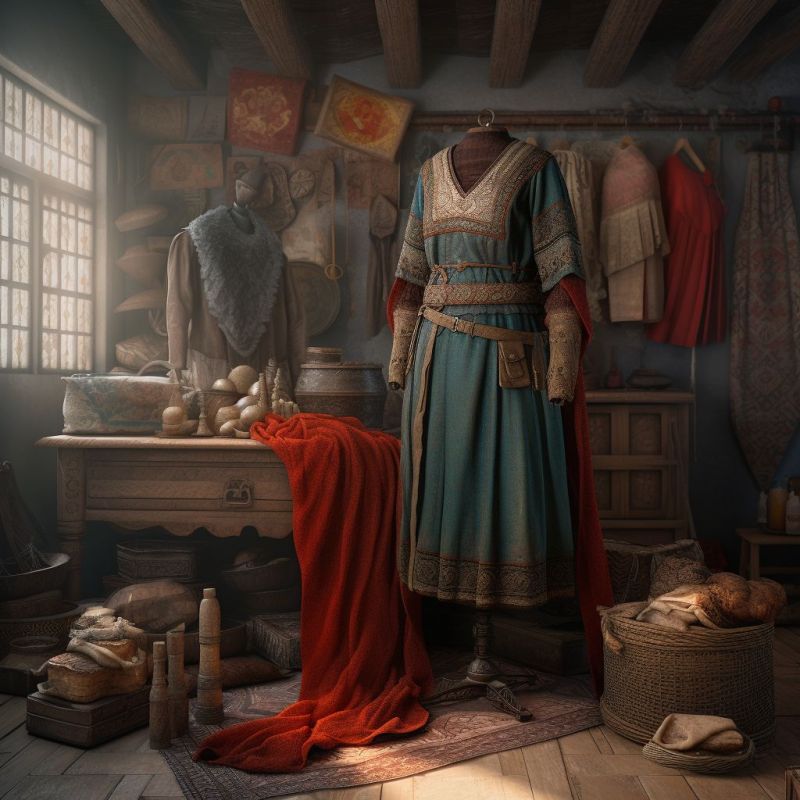
Clothes, Artisan’s1 gp
-
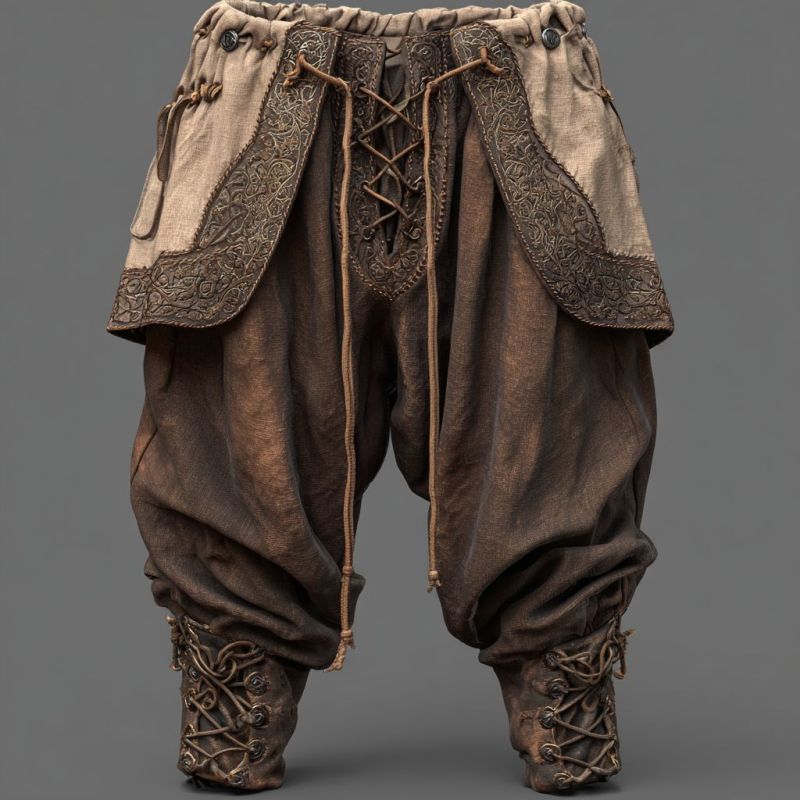
Pants, Cloth0.8 gp
-
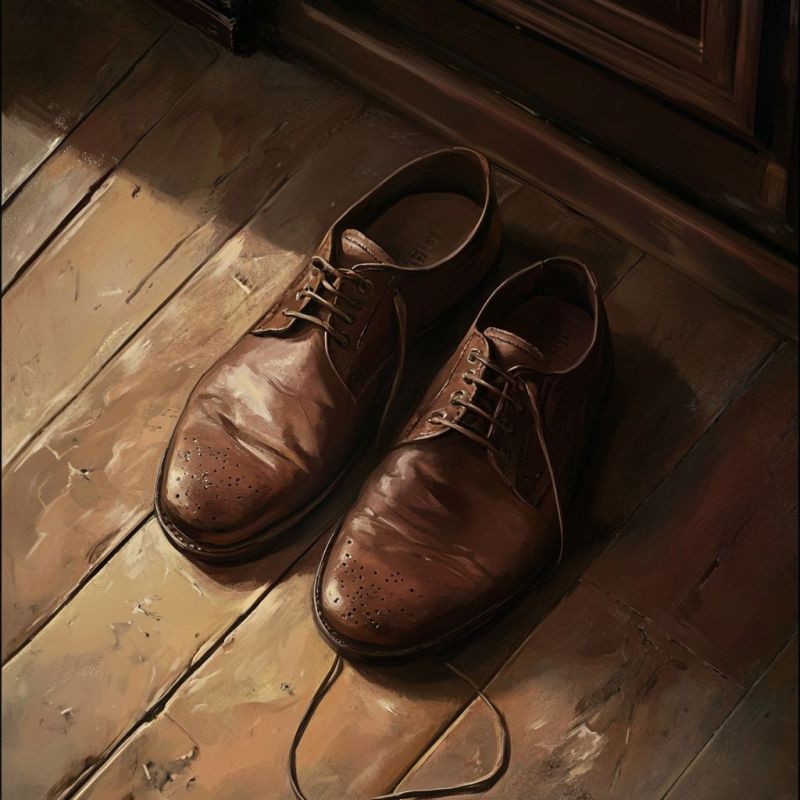
Shoes, Leather1 gp
-
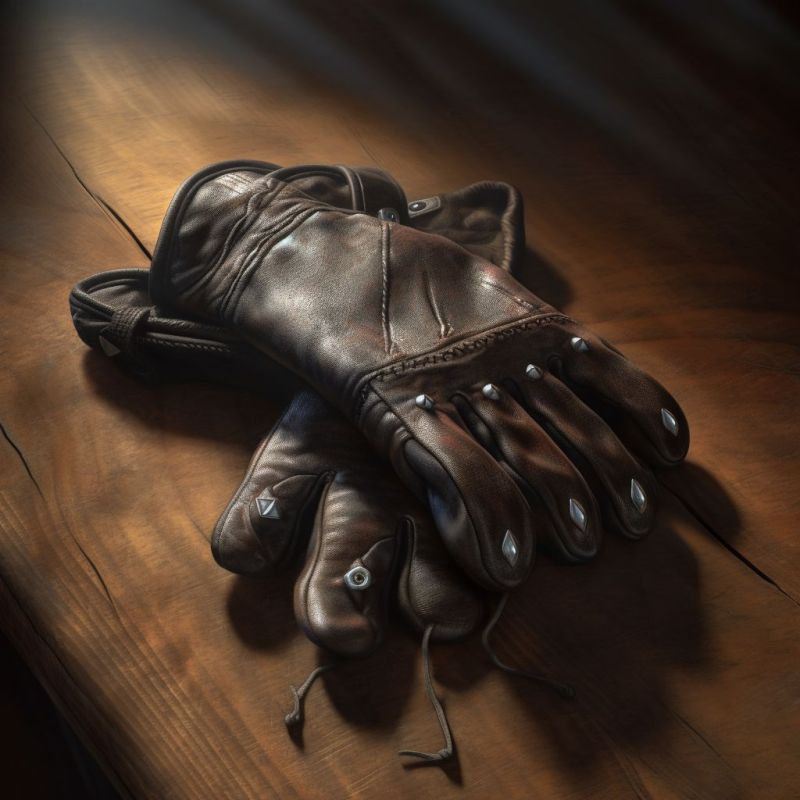
Gloves, Leather5 gp
-
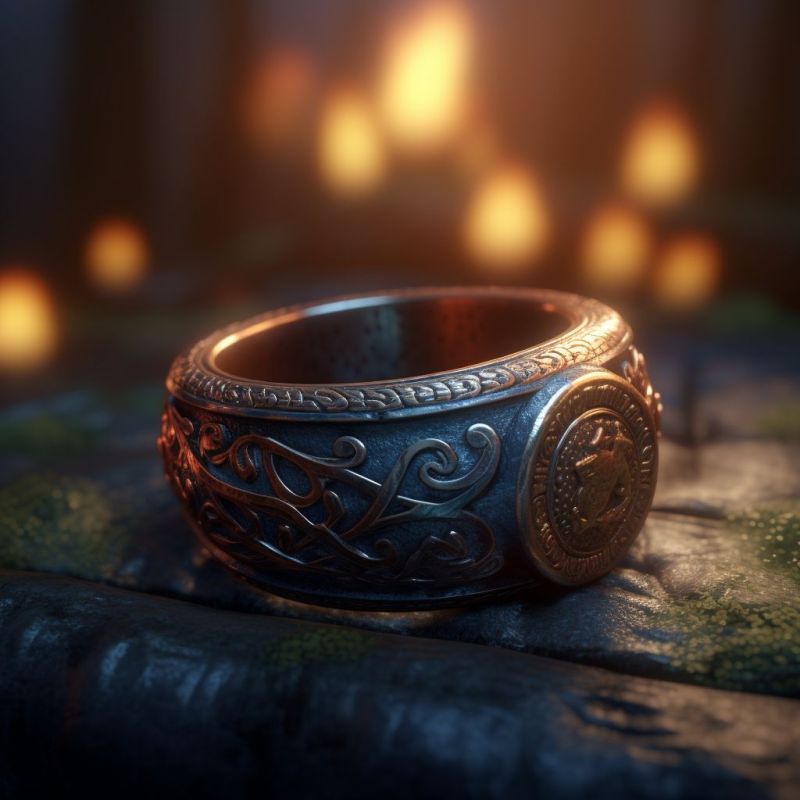
Guild Ring5 gp | Self Teleport
-
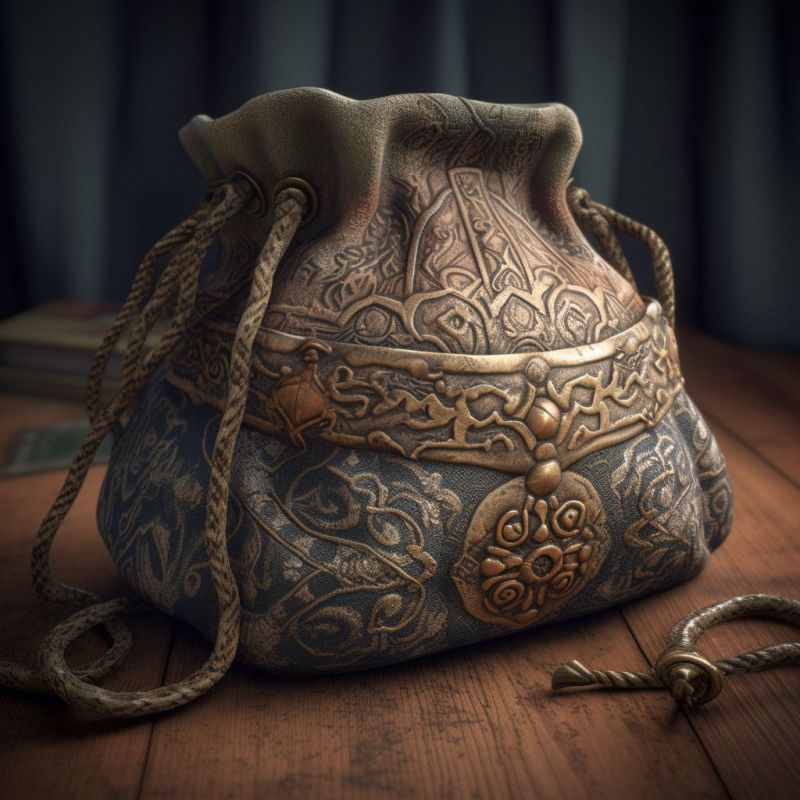
Pouch0.5 gp
 Inventory Unequipped:
-
20 Painting Tools15 gp
-
20 Tapestry, Large50 gp
-
20 Fresco, Large100 gp
-
20 Artwork, Tier 6100 gp
-
20 Artwork, Tier 550 gp
-
20 Artwork, Tier 425 gp
-
20 Tapestry, Medium3 gp
-
20 Tapestry, Small1 gp
-
20 Fresco, Small10 gp
-
20 Fresco, Medium30 gp
-
20 Porcelain Teapot2 gp
-
20 Porcelain Teacup0.3 gp
-
20 Pitcher0.02 gp
-
20 Vase, Ceramic20 gp
-
20 Artwork, Tier 310 gp
-
20 Artwork, Tier 25 gp
-
20 Artwork, Tier 11 gp
-
20 Artwork, Tier 7250 gp
-
20 Artwork, Tier 8600 gp
-
20 Fresco, Huge800 gp
-
20 Tapestry, Huge250 gp
-
7750 Gold Coin1 gp
-
15000 Copper Coin0.01 gp
-
120000 Silver Coin0.1 gp
-
10 Platinum Coin10 gp
 At Will Spell(s):
-
Self Teleport
 6
6

 Monster Bits:
-
35 Humanoid Blood0.15 gp
-
90 Animal Bone0.03 gp
-
60 Animal Fat0.5 gp
-
210 Animal Meat0.05 gp
-
30 Soft Skin0.05 gp
A wood elf man’s lithe hands carve a bow from supple yew, its surface etched with spiraling vines. His bare feet sink into loamy earth, hair glinting gold, as wood shavings drift like soft snow.
Wood Elves


🌲🧝 Wood Elves: Sentinels of the Verdant Veil
Wood Elves, known as the Asrai, are Zin’s reclusive guardians of the forest, their ageless forms blessed by Titans to endure centuries in harmony with nature. 🌿 Lithe and attuned to the woodlands, they move with unparalleled grace, their senses honed to resist fey enchantments and hunt with deadly precision. Fiercely protective of their sacred groves, they shun the outside world, emerging only to unleash devastating force against those who threaten their home. In ancient woods, the Asrai weave a legacy of vigilance, their lives entwined with the forest’s eternal rhythm.
🌟 Roots of Eternity: Born of Titan’s Grace
The Asrai trace their origins to a schism with their High Elf kin, choosing the embrace of Deep Woods over the High Elf courts. 🕉️ Blessed by Titans—or perhaps the forest’s spirits—they gained ageless vitality and magical affinity, binding their souls to the woodlands. Their pact with forest's spirits, forged through ancient sacrifices, ensures their survival but demands unwavering loyalty. Game Masters can tie their origins to a forgotten Titan’s gift or a fey bargain, casting Wood Elves as exiles or chosen protectors in campaigns of nature’s defense.
🦴 Sylvan Grace: Form and Function
Tall and lithe, Wood Elves mirror their High Elf kin but are marked by a wilder essence—flowing hair in earthy hues, eyes that gleam like starlit pools, and skin kissed by forest shades. 🏹 Their attire, woven from leaves and hides, blends seamlessly with their groves, adorned with symbols of Isha. Their agility and keen senses—sharp enough to spot a deer through mist—make them peerless hunters. GMs can describe their silent grace or glowing eyes, evoking an aura of otherworldly elegance.
🌱 Guardians of the Green: Fierce Protectors
The Asrai live in nomadic kinbands, small groups bound by shared ideals, dwelling in tree-woven halls or hidden glades. 🌳 Isolationist by nature, they shun outsiders, using illusions and traps to deter trespassers. When threats arise—be it orc axes or human greed—they unleash volleys of arrows and summon forest spirits to defend their realm. GMs can craft their reclusiveness as a challenge, with players earning trust through respect for nature or facing their wrath as intruders.
🪄 Forest Magic: Weavers of the Wild
Wood Elves wield innate magic, attuning to the forest to move tracklessly, see through beasts’ eyes, or commune with animals. 🦌 Their spells summon vines to ensnare foes, call winds to disorient, or awaken treants to crush enemies. As they grow, their powers deepen, rendering them invisible to trackers or merging their senses with the wild. GMs can use their magic to create dynamic battles, where the forest itself turns against foes, or as a bargaining chip for alliances.
🏰 The Asrai’s Realm: Sanctuaries of Athel Loren
Wood Elf enclaves, lare enchanted realms of towering oaks, glowing moss, and worldroot pathways. 🕸️ Hidden halls, woven from living trees or carved into hills, pulse with fey magic, guarded by waystones and Dryads. These groves are both home and fortress, where no outsider treads uninvited. GMs can design them as mystical havens, filled with illusionary paths or spirit allies, challenging players to navigate or protect sacred sites.
⚔️ Confronting the Asrai: Dance with the Forest
Facing Wood Elves tests cunning and respect, as their archery and magic make them elusive foes. 🗡️ Fire or defiling spells disrupt their forest bond, but proving harmony with nature can turn them into allies. Their kinbands—Wardancers, Glade Riders, or Spellsingers—strike with coordinated precision. GMs can craft encounters as ambushes in tangled woods or diplomatic trials, where players must honor the Asrai’s ways to avoid their wrath.
🌌 Whisper of the Eternal Grove
Wood Elves are Zin’s silent wardens, their lives a melody sung with the forest’s ancient heart. 🌲 Bound by Titan’s grace and fey pacts, they guard the Deep Wood with a ferocity born of love, their arrows a hymn to nature’s sanctity. Whether thwarting invaders or guiding heroes through verdant paths, they challenge all to honor the wild’s balance. In their shadowed glades, the Asrai weave tales of vigilance and sacrifice, inviting the worthy to join their timeless dance beneath the canopy’s embrace.
 Speed:
- Walking Speed: +35
- Persistant/Permanent Status Effect:
-
 Ageless
- Contesting Roll ADV vs Status Effect:
-
 Charmed
- Skill Tier 1:
-
 Common Language Skill
 -
 Elvish Language Skill
 -
 Sylvan Language Skill
- Skill Tier 3:
-
 Attention
 Random Name Table Male
-
Names - Wood Elf - Male - First Name
 Random Name Table Female
-
Names - Wood Elf - Female - First Name
 Random Name Table Last Name
-
Names - Wood Elf - Last Name
Artist - Tier 3 (Subtype)
🎨🖌️ Artist: Tier 3 Master Artisan
A Tier 3 Artist is an accomplished creative professional whose technical mastery, refined personal style, and strong reputation make them a significant cultural presence in their region. They are no longer simply producing admired work. At this tier, their name, methods, and finished pieces carry prestige of their own.
📚🪵 Training and Foundation
Tier 3 Artists are extensively shaped by major apprenticeships, guild recognition, temple or noble commissions, workshop leadership, or decades of focused practice. They understand composition, symbolism, material quality, restoration, presentation, and patron expectation at a high level. Their craft is no longer only practiced skill. It is authoritative skill.
👁️🧵 Appearance and Bearing
These creatures usually appear as renowned painters, sculptors, mural masters, iconographers, portraitists, engravers, ceramic specialists, manuscript illuminators, or workshop heads whose style is recognized on sight. Their clothing is practical but better made, often carrying the marks of an established trade: wrapped tools, protected cases, pigment boxes, rolled commission drafts, carved stamps, or fine aprons suited to expensive work. They carry themselves like professionals used to patrons, deadlines, and scrutiny.
🖼️🛒 Typical Inventory
A Tier 3 Artist commonly offers high-quality portraits, polished landscape paintings, carved shrine pieces, decorative statues, painted screens, illuminated folios, ceremonial masks, etched memorial plaques, custom murals, fine ceramic sets, lacquered boxes, workshop samples, rare pigments, premium brushes, protective varnishes, and commissioned pieces awaiting delivery. Their stock is often curated rather than broad, with finished works meant to demonstrate mastery and attract wealthy or important clients.
🧠📐 Working Style
Their working style is controlled, intentional, and distinctly recognizable. A Tier 3 Artist can execute traditional forms at a high level, but clients often seek them out specifically for their hand, their composition, or the prestige tied to their work. They manage complex commissions, large decorative projects, restoration of important pieces, and work that must impress in public, sacred, or elite settings.
🏠🕯️ Social and Economic Role
What defines this subtype is cultural influence through skilled production. Tier 3 Artists do more than decorate homes or shops. They help define how temples, noble houses, guildhalls, memorials, and public spaces present themselves. Their work may preserve lineage, mark victories, shape civic identity, or become the visual standard others imitate.
💰📦 Trade and Mobility
Tier 3 Artists often work from an established studio, guild-backed workshop, temple annex, or patron-funded space, sometimes with assistants, apprentices, or dedicated suppliers. They are more likely to live on a mix of elite commissions, restoration work, ceremonial projects, and select direct sales. Their income is tied less to volume and more to reputation, access, and the importance of the clients they serve.
🏘️👥 Common Roles
These creatures are commonly found as master portraitists, temple mural leaders, court artists, guild-approved sculptors, respected manuscript decorators, memorial engravers, or heads of workshops trusted with expensive and visible projects. In settlements, they are often the ones chosen when the work must last, impress, or carry social meaning.
👑🪙 Place in Society
A Tier 3 Artist holds real status within cultural, religious, or mercantile circles. Patrons seek them not only for quality, but for reputation. Their work may hang in halls, stand in shrines, accompany ceremonies, or be gifted as a display of wealth and discernment. Their opinion on style, presentation, and artistic value may influence other makers and buyers alike.
📈🎭 Tier Meaning
Tier 3 represents an artist that has grown into a major creative presence. The core traits—technical skill, creative labor, sellable work, and cultural value—have matured into prestige, influence, and recognized mastery. This is no longer just a respected artisan. It is a master artisan whose work helps define the look of a place and the memory of its people.
- Skill Roll ADV:
-
 Art
Art
- Inventory Unequipped:
-
20 Painting Tools15 gp
-
20 Tapestry, Large50 gp
-
20 Fresco, Large100 gp
-
20 Artwork, Tier 6100 gp
-
20 Artwork, Tier 550 gp
-
20 Artwork, Tier 425 gp
-
20 Tapestry, Medium3 gp
-
20 Tapestry, Small1 gp
-
20 Fresco, Small10 gp
-
20 Fresco, Medium30 gp
-
20 Porcelain Teapot2 gp
-
20 Porcelain Teacup0.3 gp
-
20 Pitcher0.02 gp
-
20 Vase, Ceramic20 gp
-
20 Artwork, Tier 310 gp
-
20 Artwork, Tier 25 gp
-
20 Artwork, Tier 11 gp
-
20 Artwork, Tier 7250 gp
-
20 Artwork, Tier 8600 gp
-
20 Fresco, Huge800 gp
-
20 Tapestry, Huge250 gp
- Merchant
-
This merchant's wares are tagged with teleportation magic as a contingency. Should the merchant fall in battle, most of their inventory will shimmer and vanish—teleported to a secure location. Only coins and a handful of items that slip through the contingency remain behind.
- Skill Tier 8:
-
Art
Merchant - Tier 3 - City Merchant
City Merchants are the opulent powerbrokers who rule the grand bazaars and towering emporiums of major metropolises, their lavish storefronts glittering with high-end wonders. 🪙 Spacious halls overflow with elite gear — masterwork weapons that hum with enchantment, potent elixirs capable of turning the tide of battle, and rare crafting materials like phoenix ash, abyssal crystal, and threads spun from starlight. They eagerly acquire the most valuable relics and dungeon treasures adventurers haul from perilous depths, converting legendary plunder into mountains of coin while offering the exact components needed for legendary creations. Backed by continent-spanning guilds bound by ironclad contracts, they command formidable protection: slight one and blacklists sweep across kingdoms, bounties ignite overnight, and entire trade empires close their doors to the offender.
Profit is their lifeblood and only true allegiance. City Merchants thrive on colossal financial risks — wagering fortunes on black-market artifacts, extending vast lines of credit to renowned parties, or cornering markets on scarce magical resources — yet they never risk their own skin. 🏪 Always one step ahead through whispered guild intelligence and enchanted ledgers, they’re the sophisticated allies (or calculated rivals) who can elevate a party from local heroes to realm-shaking legends. Smart adventurers nurture these relationships early; a City Merchant’s favor today can deliver the forbidden relic or high-stakes commission that turns tomorrow’s doom into destiny. 🪙
 Essences:
-
Body:
+4
-
Mind:
+4
-
Soul:
+4
- Inventory Equipped:
-
Clothes, Artisan’s1 gp
-
Pants, Cloth0.8 gp
-
Shoes, Leather1 gp
-
Gloves, Leather5 gp
-
Guild Ring5 gp | Self Teleport
-
Pouch0.5 gp
- Inventory Unequipped:
-
7750 Gold Coin1 gp
-
15000 Copper Coin0.01 gp
-
120000 Silver Coin0.1 gp
-
10 Platinum Coin10 gp
- Merchant
-
This merchant's wares are tagged with teleportation magic as a contingency. Should the merchant fall in battle, most of their inventory will shimmer and vanish—teleported to a secure location. Only coins and a handful of items that slip through the contingency remain behind.
- Skill Tier 8:
-
Attention
-
 Empathy


