Menu
 Ancestries
 Backgrounds
 Lineages
 Classes
 Subclasses
 Spells
 Curses
 Mentas
 Sanguines
 Feats
Feats
 Passive
 Full
Full
 Standard
 Quick
Quick
 Attack
 Free
Free
 Reaction
 Opp. Attack
 Innate Skills
 Gathering Skills
 Knowledge Skills
 Crafting Skills
 Weapon Skills
 Armor Skills
 Defensive Skills
 Status Effects
 Crafting
 Alchemy
 Art
Art
 Cooking
 Enchanting
 Glassblowing
 Jewelling
 Leatherworking
 Machining
 Masoning
 Smithing
 Weaving
 Woodworking
View All Crafting
View All Rules
Woodworking
View All Crafting
View All Rules







































 Inventory Equipped:
-
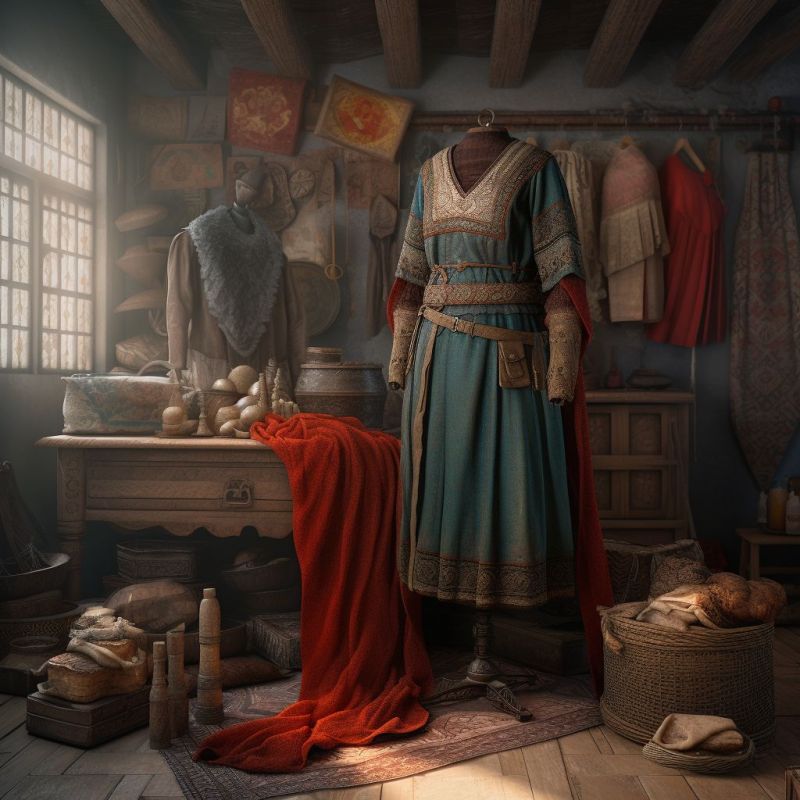
Clothes, Artisan’s1 gp
-
Shoes, Leather1 gp
-
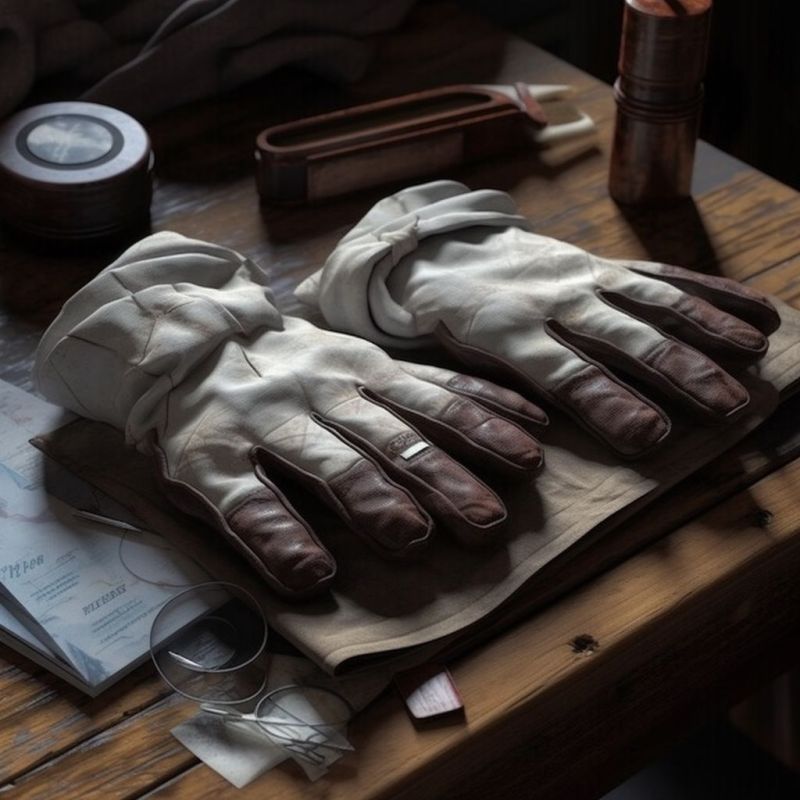
Gloves, Cloth5 gp
-
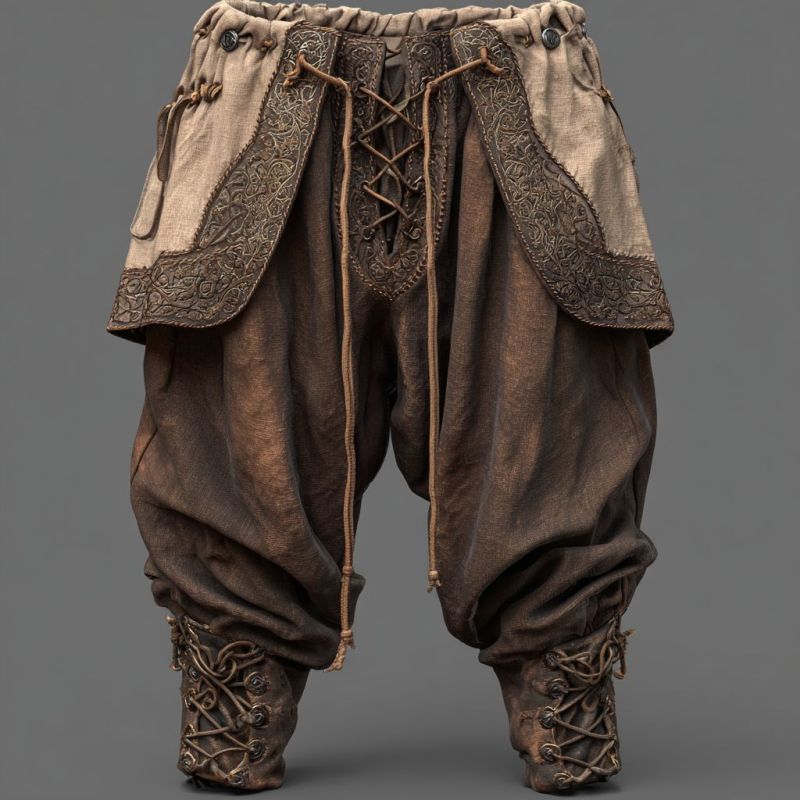
Pants, Cloth0.8 gp
 Inventory Unequipped:
-
1100 Gold Coin1 gp
-
8000 Copper Coin0.01 gp
-
28000 Silver Coin0.1 gp
-
2 Platinum Coin10 gp
-
20 Painting Tools15 gp
-
20 Artwork, Tier 11 gp
-
20 Artwork, Tier 25 gp
-
20 Artwork, Tier 310 gp
-
20 Vase, Ceramic20 gp
-
20 Pitcher0.02 gp
-
20 Porcelain Teacup0.3 gp
-
20 Porcelain Teapot2 gp
-
20 Fresco, Medium30 gp
-
20 Fresco, Small10 gp
-
20 Tapestry, Small1 gp
-
20 Tapestry, Medium3 gp
-
20 Artwork, Tier 425 gp
-
20 Artwork, Tier 550 gp
-
20 Artwork, Tier 6100 gp
-
20 Fresco, Large100 gp
-
20 Tapestry, Large50 gp
 At Will Spell(s):
-
Command Foe
 1
1
 Monster Bits:
-
40 Humanoid Blood0.15 gp
-
105 Animal Bone0.03 gp
-
70 Animal Fat0.5 gp
-
245 Animal Meat0.05 gp
-
35 Soft Skin0.05 gp
A dark dwarf woman’s calloused hands grip a rune-etched pickaxe, its iron head sparking against obsidian veins. Her braided hair swings, boots crunching soot, as sweat glistens on her soot-streaked, muscular arms.
In bustling market towns, a Tier 1 merchant alchemist—often a stout Dark Dwarf woman with soot-streaked braids—brews potions from rare herbs and metals. Her stall sells healing elixirs and minor enchantments, drawing pilgrims and adventurers. As a commoner artisan, she haggles shrewdly, amassing modest wealth while guarding dwarven recipes.
Dark Dwarves


Origins and Nature
Born from the scorched remains of Nasten’s fury, the Dark Dwarves are a cursed subrace of dwarves, twisted by the fire and brimstone of the underground. Unlike their surface-dwelling kin, who embody craftsmanship and resilience, Dark Dwarves are thin, wiry, and unnervingly cruel, their minds sharpened by magic and their hearts blackened by an insatiable thirst for power.
Where traditional dwarves build grand halls of stone and gold, the Dark Dwarves hollow out the very bones of the world, raising cities fueled by the breath of the earth itself. Volcanic vents power their forges, great pillars of obsidian hold their citadels aloft, and rivers of molten rock light their grim dominions beneath the surface. They do not mine; they rip the earth apart to feed their machines of war.
Appearance and Physiology
At a glance, a Dark Dwarf might pass for one of their surface cousins, but closer inspection reveals their ashen skin, hardened like cooled magma, and small, sharp tusks protruding from their lower jaws—a mark of their bloodline’s corruption. Their eyes glow dimly like embers, flickering when they channel their innate magic, a power that comes as naturally to them as forging steel does to their kin.
Unlike the stocky, broad-shouldered dwarves of the mountains, Dark Dwarves are leaner, built for cunning rather than brute strength. Their dexterous hands are accustomed to both spellcraft and cruelty, able to shape metal with precision or wield their infamous chain-whips, tools of torment and domination.
Society and Culture
Dark Dwarven society is built on enslavement. To them, labor is not a right but a privilege, one that only the strong are entitled to. Those beneath them—be they orcs, ogres, goblins, gnolls, or even unfortunate surface-dwellers—are shackled, beaten, and forced to toil in their magma-choked forges, working tirelessly on projects shrouded in secrecy.
Whispers speak of weapons unlike any the world has seen, destructive forces capable of annihilating entire cities, crafted in the depths where no light shines. Some say these are mere rumors, the fearful imaginings of those who have only glimpsed the horrors of Dark Dwarven rule. Others believe that one day, the world will wake to find entire kingdoms reduced to cinders—proof that the Dark Dwarves’ experiments have borne fruit.
The Cities of Ash and Flame
Dark Dwarven cities are unlike the grand halls of the surface dwarves. They are fortresses of cruelty, where the air is thick with soot and the streets echo with the wails of the enslaved. Black iron towers stretch toward cavern ceilings, linked by metal chains thick enough to hold a dragon. Rivers of lava are redirected through their strongholds, powering immense machines of war and unknown arcane devices.
Their citadels are ruled by The Brimstone Lords, ruthless sorcerer-kings who claim divine right from Nasten himself. The strong rule, the weak serve, and mercy is a foreign concept.
Magic and Warfare
Unlike surface dwarves, who are resistant to magic, Dark Dwarves embrace it fully, wielding it as both a tool and a weapon. Their spells are not born of study or divine favor but forged through suffering and fire, branded into their very bones.
Their warriors are pyromancers and warlocks, setting battlefields ablaze with enchanted chains and fire-forged weapons. Even their smiths weave destructive magic into their creations, crafting armor that bleeds heat, blades that drink the life from their victims, and cursed relics that twist the mind.
Their soldiers do not march in ranks like men, nor do they charge like orcs. They stalk the battlefield like hunters, striking from the shadows, crippling their foes before the final blow.
Faith: Worship of Nasten, Prince of Fire and Brimstone
Despite their name, Dark Dwarves do not worship the forces of darkness. They do not whisper prayers to shadowy gods or make pacts with demons. Instead, they revere Nasten, the Prince of Fire and Brimstone, the god of destruction, wrath, and domination.
To them, Nasten is not merely a deity—he is proof that only the strong survive. The flames of his hatred forged the world, and they believe it is their duty to reshape it in his image, to reduce the weak to ash and build an empire worthy of his gaze.
Their priests are battle-warmages, clad in armor blackened by fire, leading their kin into war with flames licking at their fingertips. Their temples are not places of worship but furnaces, where offerings of steel, blood, and suffering are made in Nasten’s name.
The Terror They Bring
Dark Dwarves are not a race content to dwell in the shadows forever. They are patient, but never idle. Their ambitions are whispered on the wind, carried by terrified escapees and desperate survivors. Some say they seek to conquer the underworld itself, making even the demons bow before them. Others fear their gaze has turned upward, toward the lands above, where kingdoms rest unaware of the inferno waiting beneath their feet.
When a Dark Dwarf warband emerges from the depths, it is not for conquest—it is for destruction. They do not seek gold, nor land, nor glory. They seek only to burn.
- At Will Spell(s):
-
Command Foe
1
 Speed:
- Walking Speed: +20
- Damage Type Resistance:
-
 Fire
Fire
- Immune to Status Effect:
-
 Frightened
- Skill Tier 1:
-
 Common Language Skill
 -
 Dwarvish Language Skill
 -
 Nagh Language Skill
 Random Name Table Male
-
Names - Dark Dwarf - Male - First Name
 Random Name Table Female
-
Names - Dark Dwarf - Female - First Name
 Random Name Table Last Name
-
Names - Dark Dwarf - Last Name
Merchant - Tier 2 - Town Merchant
Town Merchants are the prosperous shopkeepers and guild traders who dominate the marketplaces of mid-sized towns and thriving trade hubs. 🪙 With spacious storefronts bursting with superior gear — finely crafted weapons, potent mid-tier potions, enchanted tools, and rare crafting materials like griffon feathers or shadowsteel ingots — they eagerly purchase the more impressive relics and dungeon hauls adventurers bring back from deeper ruins. Operating under stronger regional guilds, they offer enhanced protection through binding contracts and swift retaliation: cross one and blacklists ripple across entire trade routes, while bounties ensure swift justice without the merchant ever lifting a finger.
Profit remains their true north, yet Town Merchants embrace bolder financial risks — wagering on high-value shipments, extending lines of credit to trusted parties, or investing in exotic stock that could yield fortunes or ruin. 🏪 They’re the reliable bridge between local peddlers and grander powers, always ready with local lore, special commissions, and the occasional magical oddity that turns a simple sale into the spark of a greater quest. Smart adventurers cultivate these relationships early; a Town Merchant’s favor today can unlock the exact rare component or urgent escort job that saves the party tomorrow. 🪙
 Essences:
-
Body:
+3
-
Mind:
+3
-
Soul:
+3
- Inventory Equipped:
-
Clothes, Artisan’s1 gp
-
Shoes, Leather1 gp
-
Gloves, Cloth5 gp
-
Pants, Cloth0.8 gp
- Inventory Unequipped:
-
1100 Gold Coin1 gp
-
8000 Copper Coin0.01 gp
-
28000 Silver Coin0.1 gp
-
2 Platinum Coin10 gp
- Merchant
-
This merchant's wares are tagged with teleportation magic as a contingency. Should the merchant fall in battle, most of their inventory will shimmer and vanish—teleported to a secure location. Only coins and a handful of items that slip through the contingency remain behind.
- Skill Tier 6:
-
 Attention
 -
 Empathy
Artist - Tier 2 (Subtype)
🎨🖌️ Artist: Tier 2 Artisan
A Tier 2 Artist is a respected creative professional whose technical skill, refined style, and reliable body of work make them a notable presence in local markets and patron circles. They are no longer just producing competent pieces. At this tier, their work has identity, consistency, and enough quality to attract repeat buyers and better commissions.
📚🪵 Training and Foundation
Tier 2 Artists are deeply shaped by apprenticeship, guild advancement, temple commissions, workshop leadership, or years of disciplined practice. They understand composition, material behavior, restoration, presentation, and the difference between routine work and memorable work. Their craft is no longer just functional. It is recognizably developed.
👁️🧵 Appearance and Bearing
These creatures usually appear as established painters, sculptors, icon-makers, muralists, illustrators, ceramic artists, woodcarvers, or mixed-medium artisans with a known hand. Their clothing is still practical, but often better organized and marked by trade confidence: pigment-stained cuffs, tool belts, waxed aprons, rolled sketches, protective wrappings, and cases built for transport or commission work. They carry themselves like people used to being judged by the quality of what they make.
🖼️🛒 Typical Inventory
A Tier 2 Artist commonly sells framed paintings, detailed portrait studies, carved devotional figures, painted household screens, decorative ceramic sets, illuminated pages, custom shop signs, festival masks, etched plaques, miniature sculptures, painted boxes, prepared pigments, quality brushes, varnishes, and partially completed commission pieces. Their stock is more polished and more expensive than that of a Tier 1 Crafter, often with samples meant to impress patrons rather than just fill a stall.
🧠📐 Working Style
Their working style is controlled, deliberate, and increasingly personal. A Tier 2 Artist can reproduce traditional forms well, but also introduces style choices that make their work recognizable. They handle commissions with more confidence, correct mistakes more cleanly, and understand how to produce pieces suited to wealthier clients, temples, guildhalls, or civic display.
🏠🕯️ Social and Economic Role
What defines this subtype is skilled cultural production with growing influence. Tier 2 Artists do more than decorate everyday life. They shape how a neighborhood, shrine, guild, or household presents itself. Their work may mark public celebrations, preserve family lineage, glorify patrons, or give visual identity to important spaces.
💰📦 Trade and Mobility
Tier 2 Artists often work from a permanent studio, an upgraded market space, a guild-backed shop, or a traveling workshop with apprentices or hired help. They are more likely to balance everyday sales with commissioned work, and may have relationships with temples, minor nobles, merchants, or festival organizers. Their income is still variable, but more stable and more reputation-driven.
🏘️👥 Common Roles
These creatures are commonly found as guild artisans, portraitists, mural painters, decorative sculptors, temple image-makers, manuscript illuminators, public sign specialists, or respected market artists whose names carry local weight. In settlements, they are often the ones trusted with work people want remembered, displayed, or admired.
👑🪙 Place in Society
A Tier 2 Artist holds modest status rather than simple usefulness. People seek them out not just because they can make something, but because they can make it well. Their work may appear in better homes, shrines, halls, and shops, and their opinion on taste, presentation, or imagery may begin to matter in local circles.
📈🎭 Tier Meaning
Tier 2 represents an artist that has developed beyond dependable craft into recognized quality. The core traits remain the same—technical skill, creative labor, sellable work, and cultural value—but they now operate with greater refinement, stronger inventory, and clearer reputation. It is no longer just a working maker. It is a true artisan.
- Inventory Unequipped:
-
20 Painting Tools15 gp
-
20 Artwork, Tier 11 gp
-
20 Artwork, Tier 25 gp
-
20 Artwork, Tier 310 gp
-
20 Vase, Ceramic20 gp
-
20 Pitcher0.02 gp
-
20 Porcelain Teacup0.3 gp
-
20 Porcelain Teapot2 gp
-
20 Fresco, Medium30 gp
-
20 Fresco, Small10 gp
-
20 Tapestry, Small1 gp
-
20 Tapestry, Medium3 gp
-
20 Artwork, Tier 425 gp
-
20 Artwork, Tier 550 gp
-
20 Artwork, Tier 6100 gp
-
20 Fresco, Large100 gp
-
20 Tapestry, Large50 gp
- Merchant
-
This merchant's wares are tagged with teleportation magic as a contingency. Should the merchant fall in battle, most of their inventory will shimmer and vanish—teleported to a secure location. Only coins and a handful of items that slip through the contingency remain behind.
- Skill Tier 6:
-
 Art
Art


