Menu
 Ancestries
 Backgrounds
 Lineages
 Classes
 Subclasses
 Spells
 Curses
 Mentas
 Sanguines
 Feats
Feats
 Passive
 Full
Full
 Standard
 Quick
Quick
 Attack
 Free
Free
 Reaction
 Opp. Attack
 Innate Skills
 Gathering Skills
 Knowledge Skills
 Crafting Skills
 Weapon Skills
 Armor Skills
 Defensive Skills
 Status Effects
 Crafting
 Alchemy
 Art
Art
 Cooking
 Enchanting
 Glassblowing
 Jewelling
 Leatherworking
 Machining
 Masoning
 Smithing
 Weaving
 Woodworking
View All Crafting
View All Rules
Woodworking
View All Crafting
View All Rules




































 Inventory Equipped:
-
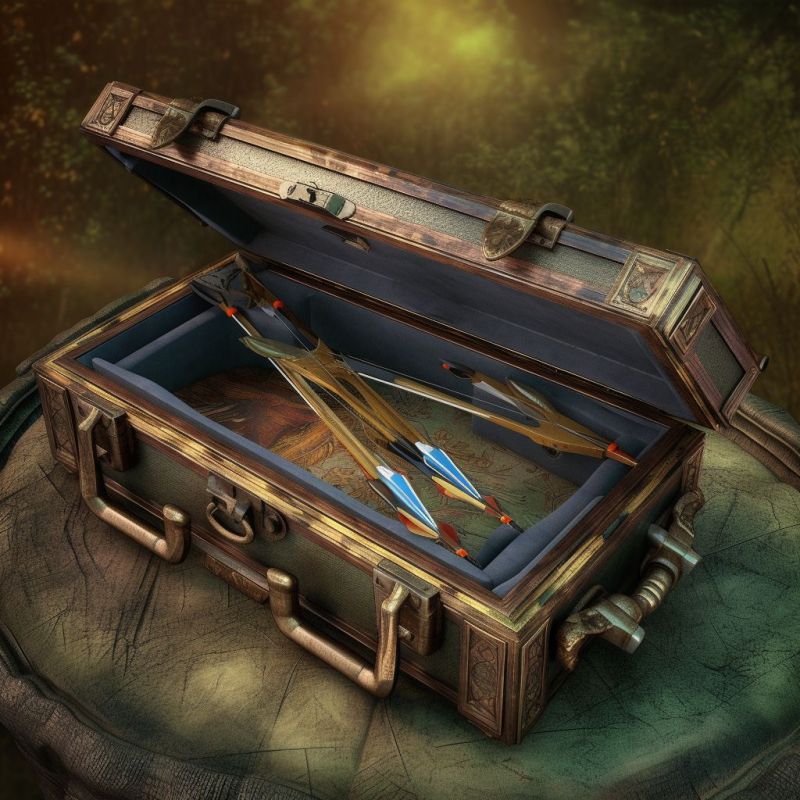
Crossbow Bolt Case1 gp
-
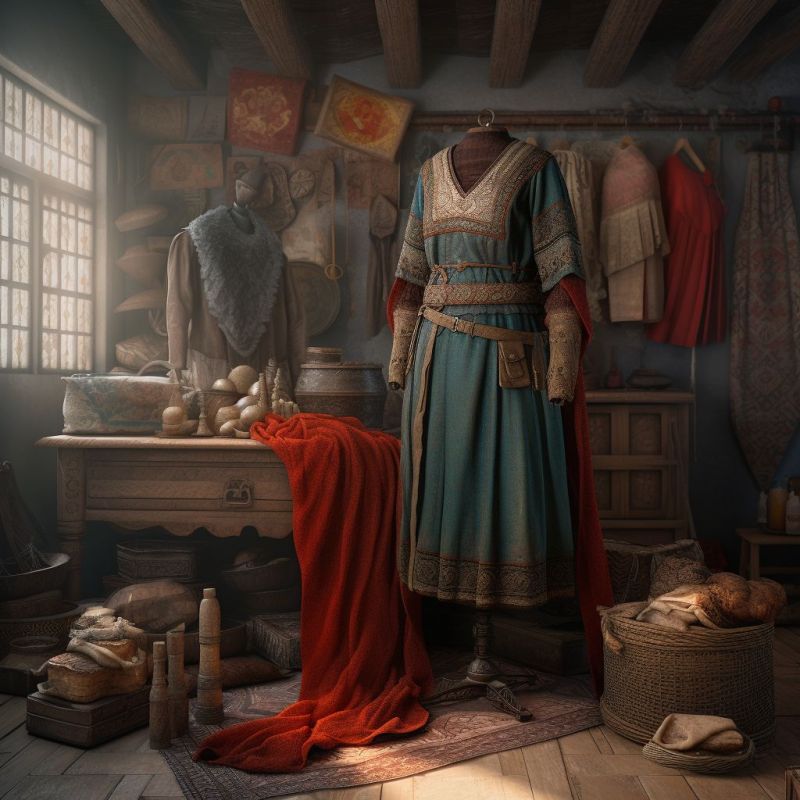
Clothes, Artisan’s1 gp
-
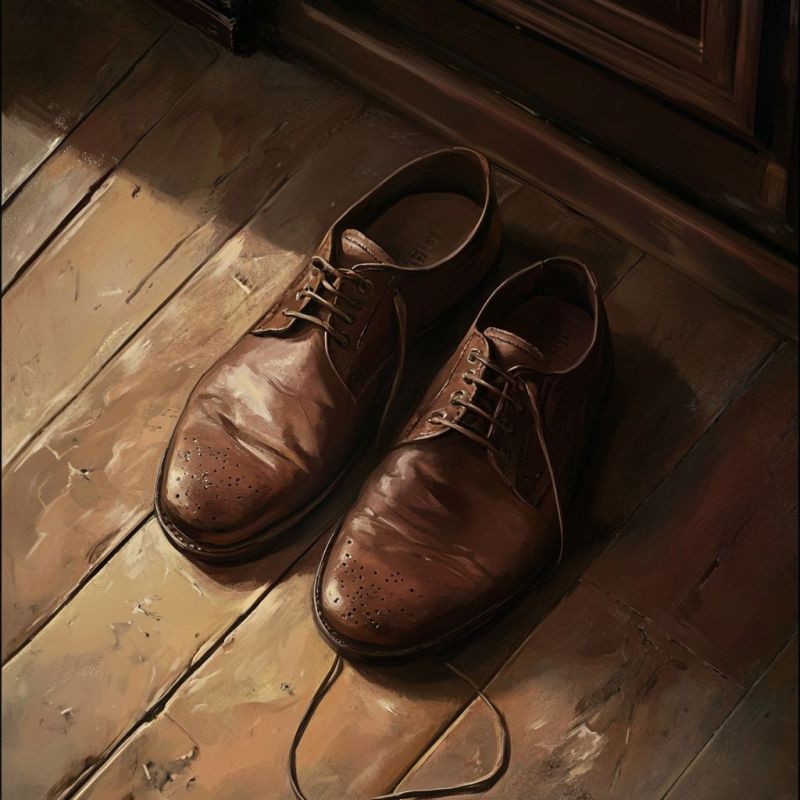
Shoes, Leather1 gp
-
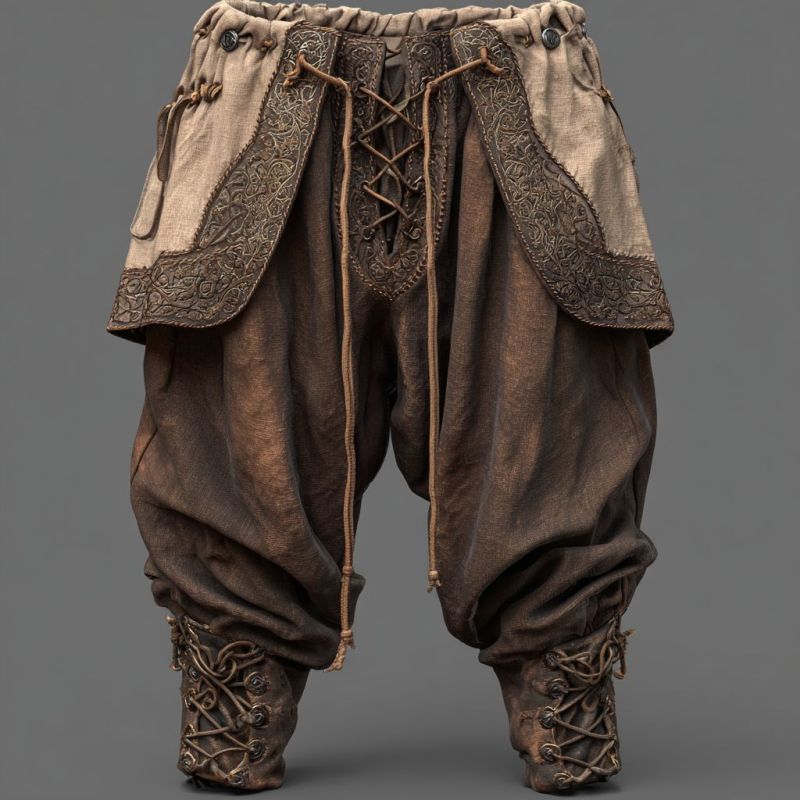
Pants, Cloth0.8 gp
-
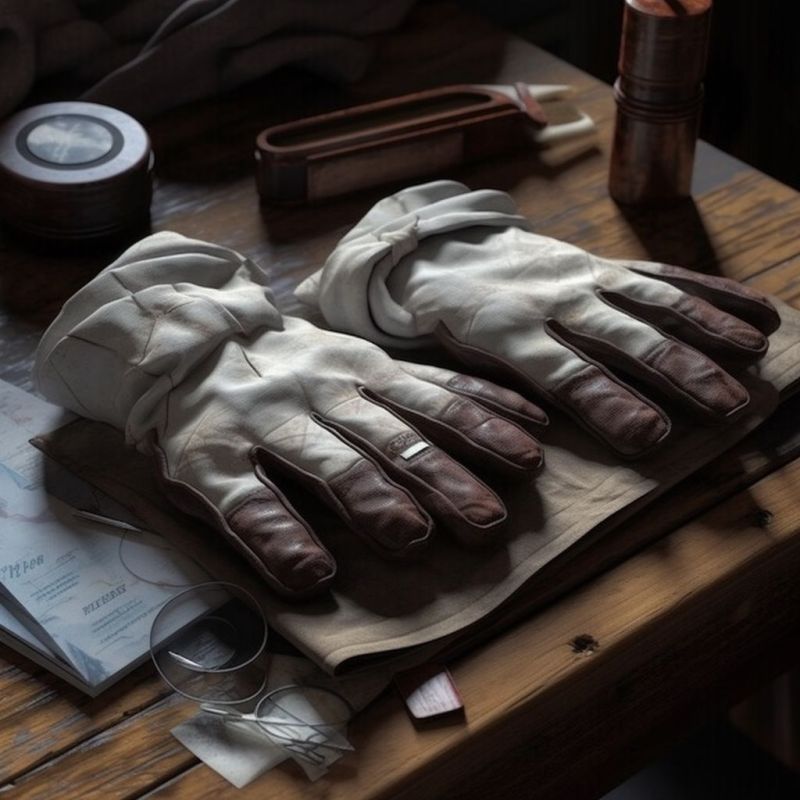
Gloves, Cloth5 gp
 Inventory Unequipped:
-
Dart1.8 0.05 gp
-
Club10.76 0.1 gp
-
Greatclub9.61 0.2 gp
-
Quarterstaff3.43 0.2 gp
-
Sickle3.66 0.2 gp
-
Javelin11.46 0.5 gp
-
Dagger4.1 2 gp
-
Pitchfork11.87 0.5 gp
-
Hatchet3.12 1 gp
-
Spear11.87 1 gp
-
Light Hammer3.29 2 gp
-
Handaxe3.12 5 gp
-
Mace11.28 5 gp
-
Pike9.82 5 gp
-
War Pick5.66 5 gp
-
Battleaxe2.95 10 gp
-
Flail10.14 10 gp
-
Shortsword5.68 10 gp
-
Anvil20 gp
-
Forge75 gp
-
Smithing Tools15 gp
-
Iron Ingot0.15 gp
-
Leather strap0.2 gp
-
Bit and Bridle2 gp
-
Bottle, Iron1.5 gp
-
Iron Slug0.01 gp
-
Bowl, Iron3 gp
-
Cage, Brass12 gp
-
Chopsticks, Iron0.1 gp
-
Cup, Iron0.5 gp
-
Fork, Iron0.3 gp
-
Small Glass Case0.6 gp
-
Lamp, Hand1 gp
-
Hauberk Barding64 250 gp
-
Bracelet, Iron1 gp
-
Bracers, Iron300 15 gp
-
Iron Spike0.1 gp
-
Jug, Iron2 gp
-
Knife, Iron0.3 gp
-
Ladle, Iron0.25 gp
-
Glass Lens, Medium1.5 gp
-
Glass Lens, Small0.5 gp
-
Magnifying Glass50 2 gp
-
Mining Pick2 gp
-
Plate, Iron2 gp
-
Platter, Iron1.5 gp
-
Pot, Iron2 gp
-
Skewer, Iron2 gp
-
Spatula, Iron0.4 gp
-
Spoon, Iron0.3 gp
-
Spyglass20 gp
-
Strainer, Iron7.5 gp
-
Hempen Rope, 50 feet1 gp
-
Block and Tackle2 gp
-
Copper Ingot3 gp
-
Copper Slug0.03 gp
-
Brazier, Copper15 gp
-
Climbing Piton0.05 gp
-
Amulet, Copper5 gp
-
Bracelet, Copper5 gp
-
Bracers, Copper150 20 gp
-
Crown, Copper10 gp
-
Earrings, Copper0.6 gp
-
Windchimes, Copper8 gp
-
Crowbar2 gp
-
Wood Plank0.16 gp
-
Dustpan0.3 gp
-
Fishing Hook0.02 gp
-
Grappling Hook2 gp
-
Hammer1 gp
-
Helmet40 gp
-
Hooded Lantern5 gp
-
Boots, Iron150 8 gp
-
Box, Iron10 gp
-
Brazier, Iron5 gp
-
Bucket, Iron1 gp
-
Chain, 10 feet5 gp
-
Chisel, Iron0.5 gp
-
Iron Cowbell0.5 gp
-
Door, Iron100 gp
-
Greaves, Iron150 2 gp
-
Handsaw, Iron0.6 gp
-
Hoe, Iron1 gp
-
Jar, Iron1 gp
-
Kettle, Iron0.5 gp
-
Iron Nail0.01 gp
-
Pan, Iron1 gp
-
Pin, Iron0.05 gp
-
Rake, Iron0.5 gp
-
Rod, Iron1 gp
-
Iron Shears0.3 gp
-
Iron Spade0.3 gp
-
Iron Thimble0.3 gp
-
Wrench, Iron1 gp
-
Key0.3 gp
-
Lance7.83 10 gp
-
Gate, Large, Iron50 gp
-
Large Saw12.51 5 gp
-
Light Crossbow1.85 25 gp
-
Longsword4.01 15 gp
-
Maul5.62 10 gp
-
Mess Kit0.5 gp
-
Phosphorus Block10 gp
-
Phosphorus Slug1 gp
-
Scythe2.14 15 gp
-
Shovel2 gp
-
Signal Whistle3 gp
-
Signet Ring5 gp
-
Silver Slug0.15 gp
-
Silver Ingot15 gp
-
Amulet, Silver25 gp
-
Iron Ore0.05 gp
-
Silver Ore3 gp
-
Sledgehammer2 gp
-
Tin Ore0.3 gp
-
Tin Ingot0.9 gp
-
Tinderbox0.05 gp
-
Whetstone0.01 gp
-
20 Crossbow Bolt0.05 gp
-
10 Gold Coin1 gp
-
4000 Copper Coin0.01 gp
-
450 Silver Coin0.1 gp
 Monster Bits:
-
36 Humanoid Blood0.15 gp
-
96 Animal Bone0.03 gp
-
65 Animal Fat0.5 gp
-
226 Animal Meat0.05 gp
-
31 Soft Skin0.05 gp
A human woman’s weathered hands knead dough on a flour-dusted board, her fingers sinking into soft, warm bread. Her patched apron brushes thighs, boots creaking on worn planks, as yeast scents the air.
Humans


🌍🤺 Humans: Weavers of Destiny
Humans are Zin’s vibrant and adaptable race, their kaleidoscope of forms and ambitions threading through the world’s grand tapestry. 🌟 With diverse appearances and boundless drive, they shape civilizations, conquer challenges, and leave enduring legacies. Resilient and versatile, humans thrive in every corner of the realm, their short lives burning bright with innovation and courage, making them a force that reshapes history with every step.
🎭 The World’s Mosaic: Diverse and Dynamic
Humans embody a stunning array of heights, weights, and skin tones, each a unique stroke in Zin’s cultural canvas. 🧑🤝🧑 Standing 5 to 6 feet tall and weighing 100 to 200 pounds, their varied looks—dark curls, golden skin, or piercing eyes—reflect their adaptability. This diversity fuels their ability to flourish in deserts, forests, or cities. GMs can highlight their individuality, describing unique attire or quirks to showcase their multifaceted nature in vibrant roleplay.
🏰 Builders of Legacy: Architects of Eternity
Humans craft magnificent cities, from towering spires to sprawling ports, designed to outlast their fleeting lives. 🏛️ Governed by hereditary lines or enduring councils, these societies enshrine tradition and ambition, weaving heritage into stone. Their drive for legacy shapes Zin’s history, leaving monuments that echo for centuries. GMs can use human cities as campaign hubs, filled with political intrigue, ancient relics, or quests to uphold a family’s honor.
🛠️ A Well of Versatility: Masters of All Trades
Humans are Zin’s ultimate adventurers, their innate flexibility allowing them to excel as warriors, mages, rogues, or diplomats. ⚔️ They adapt swiftly, learning new skills or shifting roles as challenges arise, their quick minds solving problems with ingenuity. GMs can emphasize their versatility by crafting scenarios where humans pivot from combat to diplomacy, showcasing their ability to thrive in any situation.
🚀 Pushing the Boundaries: Trailblazers of the Unknown
Driven by relentless ambition, humans venture into uncharted lands, from perilous jungles to arcane ruins, seeking glory or knowledge. 🌌 Their risk-taking fuels exploration and innovation, often leading revolutions or discoveries that redefine Zin. GMs can cast humans as bold pioneers, with players leading expeditions or challenging ancient powers, their actions rippling across the world.
🏆 A Force to Be Reckoned With: Enduring Impact
Though short-lived compared to elves or dwarves, humans build institutions—empires, guilds, or temples—that endure beyond their years. 🏰 Their resilience and collective ambition make them a formidable presence, shaping Zin’s fate through sheer will. GMs can portray humans as catalysts for change, their cities or heroes driving campaigns toward epic conflicts or grand alliances.
🏞️ The Human’s Domain: Cities of Ambition
Humans dwell in bustling metropolises or hardy frontier towns, their homes reflecting their diverse cultures—ornate marble halls, wooden longhouses, or desert bazaars. 🌆 These settlements buzz with trade, intrigue, and innovation, often fortified by walls or diplomacy. GMs can design human domains as vibrant stages, where players navigate bustling markets, political schemes, or ancient ruins beneath city streets.
⚔️ Confronting Humans: Clash of Wills
Engaging humans tests adaptability, as their diverse skills make them unpredictable foes or allies. 🗡️ Warriors wield steel, mages conjure spells, and diplomats sway hearts, requiring tailored strategies to counter. Their ambition can be exploited—luring them with glory or treasure—but their resilience demands respect. GMs can craft encounters as multifaceted challenges, blending combat, negotiation, or intrigue to reflect human versatility.
🌌 Flame of Boundless Ambition
Humans are Zin’s radiant spark, their diverse threads weaving a saga of resilience and daring that lights the world’s path. 🌍 From building empires to braving the unknown, they embody the relentless pulse of progress, their ambition a fire that shapes destinies. Whether forging peace or seeking glory, they challenge heroes to embrace their own potential, crafting tales that echo through the ages in the ever-evolving tapestry of existence.
 Speed:
- Walking Speed: +30
- Skill Tier 1:
-
 Common Language Skill
 Random Name Table Male
-
Names - Human - Male - First
 Random Name Table Female
-
Names - Human - Female - First
 Random Name Table Last Name
-
Names - Human - English - Last
Smithy - Tier 1 (Subtype)
🔨⚙️ Smithy: Tier 1 Forgeman
A Tier 1 Smithy is a working metal craftsperson defined by practical forging skill, heat control, and the steady production of useful metal goods for daily life. In a flintlock fantasy setting, they are an essential trade worker whose value comes from durability, repeatability, and the ability to turn raw metal into tools, fittings, and basic equipment people actually need.
📚🔥 Training and Foundation
Tier 1 Smithies are shaped by apprenticeship, family trade, guild instruction, military contract work, or long shop experience at the forge. They understand fuel use, hammer control, heating stages, basic tempering, riveting, filing, shaping, and the differences between iron, steel, brass, copper, and other common working metals. This is not an amateur with a hammer. It is a trained metalworker who can produce functional goods that survive real use.
🧥🪵 Appearance and Bearing
These creatures usually appear in leather aprons, rolled sleeves, gloves, heavy boots, and work clothes marked by soot, scale, oil, and burn spots. Their hands are often scarred, callused, and strong from repeated hammer work. Tongs, hammers, chisels, punches, files, and measuring tools are usually close at hand. Their bearing tends to be direct, practical, and used to judging quality by feel, weight, and sound.
🔩📦 Typical Inventory
A Tier 1 Smithy commonly keeps nails, hinges, brackets, hooks, buckles, horseshoes, cooking hooks, pot handles, fireplace tools, knives, hatchets, simple tools, shovel heads, tongs, locks, chains, rivets, barrel hoops, lantern frames, cutlery blanks, iron fittings, wagon parts, stove plates, musket fittings, and partially finished repair jobs waiting on assembly or pickup. Depending on the district, they may also stock simple blades, farming tools, ship hardware, or low-grade armor pieces.
🧠⚖️ Working Style
Their working style is repetitive, heat-focused, and utility-driven. A Tier 1 Smithy cuts stock, heats metal, shapes it in stages, and finishes it through filing, riveting, punching, or simple assembly. They are expected to produce durable work rather than refined masterworks. Speed matters, but consistency matters more, especially when customers rely on the item for labor, travel, or trade.
💰⛓️ Trade and Practical Role
What defines this subtype is necessary metal utility. Tier 1 Smithies make the hardware of ordinary life: the pieces that hold doors, wagons, kitchens, docks, workshops, weapons, and tools together. Their work serves farmers, sailors, taverns, teamsters, soldiers, merchants, cooks, builders, and anyone else who needs metal goods that function without failing. In a flintlock fantasy economy, a smithy is part of local infrastructure.
🏪🔥 Business and Workspace
Tier 1 Smithies usually work from street forges, attached workshops, military yards, dockside shops, village smithhouses, or market-adjacent workrooms where smoke, noise, and cart access are manageable. Their space is organized around forge, anvil, quench barrel, fuel stores, racks of stock metal, tool walls, and shelves of finished or half-finished pieces. A busy shop may include apprentices or laborers handling bellows, carrying stock, or finishing simple parts.
🏙️👥 Common Roles
These creatures are commonly found as village blacksmiths, dockside metalworkers, military contract smiths, farriers, hardware makers, tool forgers, repair smiths, or general metal tradespeople serving neighborhoods with constant practical demand. In settlements, they are often among the most dependable and necessary artisans because other trades rely on their output.
👑🪙 Place in Society
A Tier 1 Smithy usually holds modest but steady status. They are rarely elegant, but they are widely respected when reliable because their failures are obvious and their successes are used every day. In a flintlock fantasy setting, a good smithy is a practical constant in towns, ports, forts, and trade roads.
📈🔨 Tier Meaning
Tier 1 represents the earliest stage of the smithy role: dependable forging, practical inventory, basic metal shaping, and strong daily utility. The core fantasy is present—heat, hammer, metal, and trade through useful production—but it remains grounded in ordinary workshop output rather than elite weapons, fine armor, or major industrial authority.
- Inventory Equipped:
-
Crossbow Bolt Case1 gp
- Inventory Unequipped:
-
Dart1.8 0.05 gp
-
Club10.76 0.1 gp
-
Greatclub9.61 0.2 gp
-
Quarterstaff3.43 0.2 gp
-
Sickle3.66 0.2 gp
-
Javelin11.46 0.5 gp
-
Dagger4.1 2 gp
-
Pitchfork11.87 0.5 gp
-
Hatchet3.12 1 gp
-
Spear11.87 1 gp
-
Light Hammer3.29 2 gp
-
Handaxe3.12 5 gp
-
Mace11.28 5 gp
-
Pike9.82 5 gp
-
War Pick5.66 5 gp
-
Battleaxe2.95 10 gp
-
Flail10.14 10 gp
-
Shortsword5.68 10 gp
-
Anvil20 gp
-
Forge75 gp
-
Smithing Tools15 gp
-
Iron Ingot0.15 gp
-
Leather strap0.2 gp
-
Bit and Bridle2 gp
-
Bottle, Iron1.5 gp
-
Iron Slug0.01 gp
-
Bowl, Iron3 gp
-
Cage, Brass12 gp
-
Chopsticks, Iron0.1 gp
-
Cup, Iron0.5 gp
-
Fork, Iron0.3 gp
-
Small Glass Case0.6 gp
-
Lamp, Hand1 gp
-
Hauberk Barding64 250 gp
-
Bracelet, Iron1 gp
-
Bracers, Iron300 15 gp
-
Iron Spike0.1 gp
-
Jug, Iron2 gp
-
Knife, Iron0.3 gp
-
Ladle, Iron0.25 gp
-
Glass Lens, Medium1.5 gp
-
Glass Lens, Small0.5 gp
-
Magnifying Glass50 2 gp
-
Mining Pick2 gp
-
Plate, Iron2 gp
-
Platter, Iron1.5 gp
-
Pot, Iron2 gp
-
Skewer, Iron2 gp
-
Spatula, Iron0.4 gp
-
Spoon, Iron0.3 gp
-
Spyglass20 gp
-
Strainer, Iron7.5 gp
-
Hempen Rope, 50 feet1 gp
-
Block and Tackle2 gp
-
Copper Ingot3 gp
-
Copper Slug0.03 gp
-
Brazier, Copper15 gp
-
Climbing Piton0.05 gp
-
Amulet, Copper5 gp
-
Bracelet, Copper5 gp
-
Bracers, Copper150 20 gp
-
Crown, Copper10 gp
-
Earrings, Copper0.6 gp
-
Windchimes, Copper8 gp
-
Crowbar2 gp
-
Wood Plank0.16 gp
-
Dustpan0.3 gp
-
Fishing Hook0.02 gp
-
Grappling Hook2 gp
-
Hammer1 gp
-
Helmet40 gp
-
Hooded Lantern5 gp
-
Boots, Iron150 8 gp
-
Box, Iron10 gp
-
Brazier, Iron5 gp
-
Bucket, Iron1 gp
-
Chain, 10 feet5 gp
-
Chisel, Iron0.5 gp
-
Iron Cowbell0.5 gp
-
Door, Iron100 gp
-
Greaves, Iron150 2 gp
-
Handsaw, Iron0.6 gp
-
Hoe, Iron1 gp
-
Jar, Iron1 gp
-
Kettle, Iron0.5 gp
-
Iron Nail0.01 gp
-
Pan, Iron1 gp
-
Pin, Iron0.05 gp
-
Rake, Iron0.5 gp
-
Rod, Iron1 gp
-
Iron Shears0.3 gp
-
Iron Spade0.3 gp
-
Iron Thimble0.3 gp
-
Wrench, Iron1 gp
-
Key0.3 gp
-
Lance7.83 10 gp
-
Gate, Large, Iron50 gp
-
Large Saw12.51 5 gp
-
Light Crossbow1.85 25 gp
-
Longsword4.01 15 gp
-
Maul5.62 10 gp
-
Mess Kit0.5 gp
-
Phosphorus Block10 gp
-
Phosphorus Slug1 gp
-
Scythe2.14 15 gp
-
Shovel2 gp
-
Signal Whistle3 gp
-
Signet Ring5 gp
-
Silver Slug0.15 gp
-
Silver Ingot15 gp
-
Amulet, Silver25 gp
-
Iron Ore0.05 gp
-
Silver Ore3 gp
-
Sledgehammer2 gp
-
Tin Ore0.3 gp
-
Tin Ingot0.9 gp
-
Tinderbox0.05 gp
-
Whetstone0.01 gp
-
20 Crossbow Bolt0.05 gp
- Skill Tier 3:
-
 Smithing
Merchant - Tier 1 - Local Merchant
Local Merchants are the humble shopkeeps and street traders who keep the lifeblood of small towns and bustling city quarters flowing. 🪙 Operating cozy storefronts crammed with everyday wares — lanterns, rope, potions, and basic weapons — they eagerly buy the trinkets and minor relics adventurers drag back from nearby ruins. With a sharp eye and quicker smile, they turn dusty dungeon loot into ready coin while stocking the crafting materials heroes need to patch gear or brew simple remedies. Part of tight-knit local guilds, they enjoy quiet protection: harm one and the entire network quietly blacklists the offender with contracts and whispered warnings.
Driven by steady profit rather than grand schemes, Tier 1 Local Merchants take calculated financial risks — overstocking exotic herbs, extending credit to promising parties, or gambling on a shady shipment — but rarely step beyond the safety of their counters or guild wards. 🏪 They’re the friendly face of commerce that starting adventurers learn to trust (or haggle with), offering fair deals, local gossip, and the occasional rare find that sparks the next quest. Wise parties treat them well; today’s neighborhood merchant may one day hold the exact component needed to survive tomorrow’s danger. 🪙
 Essences:
-
Body:
+2
-
Mind:
+2
-
Soul:
+2
- Inventory Equipped:
-
Clothes, Artisan’s1 gp
-
Shoes, Leather1 gp
-
Pants, Cloth0.8 gp
-
Gloves, Cloth5 gp
- Inventory Unequipped:
-
10 Gold Coin1 gp
-
4000 Copper Coin0.01 gp
-
450 Silver Coin0.1 gp
- Skill Tier 3:
-
 Attention
 -
 Empathy


