Menu
 Ancestries
 Backgrounds
 Lineages
 Classes
 Subclasses
 Spells
 Curses
 Mentas
 Sanguines
 Feats
Feats
 Passive
 Full
Full
 Standard
 Quick
Quick
 Attack
 Free
Free
 Reaction
 Opp. Attack
 Innate Skills
 Gathering Skills
 Knowledge Skills
 Crafting Skills
 Weapon Skills
 Armor Skills
 Defensive Skills
 Status Effects
 Crafting
 Alchemy
 Art
Art
 Cooking
 Enchanting
 Glassblowing
 Jewelling
 Leatherworking
 Machining
 Masoning
 Smithing
 Weaving
 Woodworking
View All Crafting
View All Rules
Woodworking
View All Crafting
View All Rules
















































 Inventory Equipped:
-
Clothes, Artisan’s1 gp
-
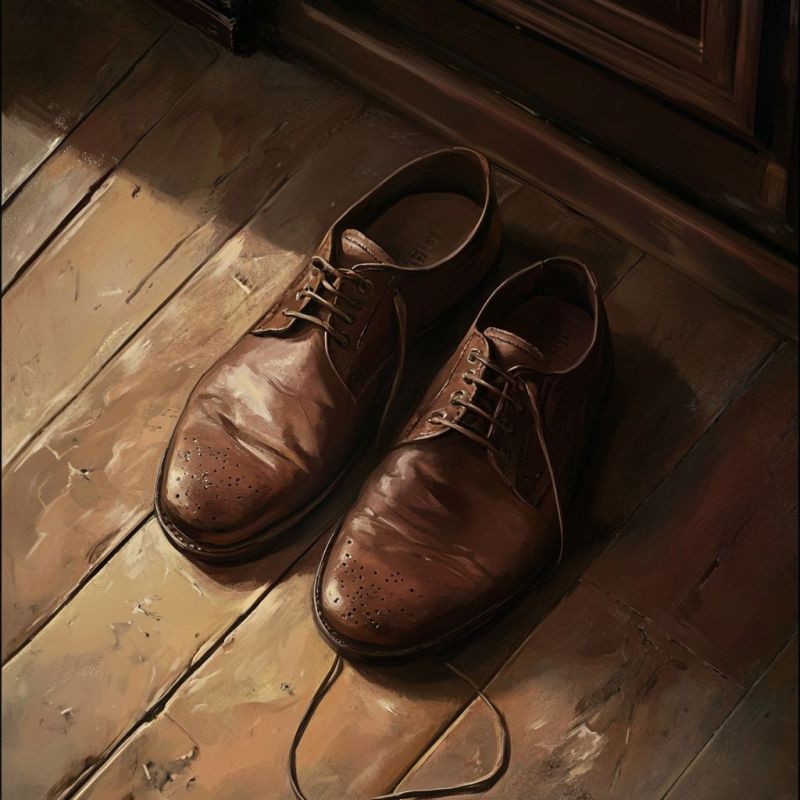
Shoes, Leather1 gp
-
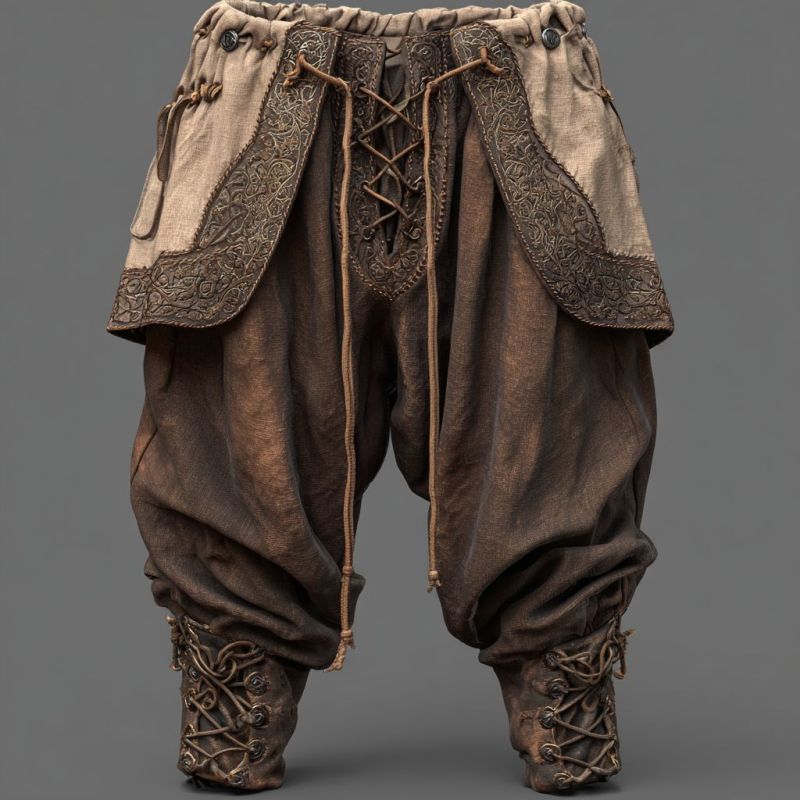
Pants, Cloth0.8 gp
-
Gloves, Cloth5 gp
 Inventory Unequipped:
-
10 Gold Coin1 gp
-
4000 Copper Coin0.01 gp
-
450 Silver Coin0.1 gp
-
20 Painting Tools15 gp
-
20 Artwork, Tier 11 gp
-
20 Artwork, Tier 25 gp
-
20 Artwork, Tier 310 gp
-
20 Vase, Ceramic20 gp
-
20 Pitcher0.02 gp
-
20 Porcelain Teacup0.3 gp
-
20 Porcelain Teapot2 gp
-
20 Fresco, Medium30 gp
-
20 Fresco, Small10 gp
-
20 Tapestry, Small1 gp
-
20 Tapestry, Medium3 gp
 At Will Spell(s):
-
Fire Bolt20
 0
0
-
Thaumaturgy
0
 Monster Bits:
-
24 Humanoid Blood0.15 gp
-
63 Animal Bone0.03 gp
-
42 Animal Fat0.5 gp
-
147 Animal Meat0.05 gp
-
21 Soft Skin0.05 gp
A demonfolk woman’s clawed hands wield a smoldering whip, its thorny length glowing crimson. Her scaled tail sways, boots grinding ash, as the whip cracks, trailing sparks of molten, sulfur-scented flame.
Demonfolks


🔥👹 Demonfolks: Born of Chaos and Flame
Demonfolks, forged in the searing crucible of the Endless Abyss, are Zin’s harbingers of destruction, their bloodlines tracing back to ancient demons who once ravaged the mortal plane. 🌋 Wreathed in infernal fire and tempered by agony, they wield chaotic might that makes them both feared and formidable. With hearts ablaze and resilience born of suffering, Demonfolks are a tempest of power, their presence a warning of the Abyss’s unrelenting wrath.
🌑 Abyssal Origins: Spawned in Torment
Demonfolks descend from demons who breached Zin’s realms, their lineage steeped in the chaos and flame of the Abyss. 🩸 Shrouded in dread, their origins speak of cataclysmic pacts or unholy births that bind them to a realm of eternal torment. Game Masters can craft their beginnings as eruptions of demonic invasion or cursed unions, casting Demonfolks as agents of ruin or reluctant heirs of chaos.
🦴 Fierce Form: Ember and Menace
Tall and imposing, Demonfolks bear marks of their infernal heritage—glowing eyes, smoldering skin, or jagged horns. 🔥 Clad in scorched armor or flowing cloaks that flicker like flames, their presence radiates heat and danger. GMs can describe their molten aura or thunderous steps, evoking a primal terror that shakes even the bravest hearts.
🪄 Infernal Might: Power of the Abyss
Demonfolks channel the Abyss’s chaotic energies, unleashing torrents of flame, shattering earth with a gesture, or twisting minds with dread. 🌪️ Their resilience shrugs off pain, making them relentless in battle. GMs can showcase their powers as cataclysmic displays—blazing infernos or quaking rifts—turning encounters into apocalyptic struggles where the ground burns and the air screams.
🏰 Realms of Ruin: Citadels of Flame
Demonfolks dwell in scorched fortresses or abyssal chasms, their lairs pulsing with heat and littered with the bones of foes. 🖤 These domains, whether hidden in Zin’s wastelands or carved into volcanic depths, are bastions of chaos. GMs can design them as fiery labyrinths, where players face molten traps or demonic minions to confront the heart of infernal power.
⚔️ Confronting Demonfolks: Defying the Inferno
Battling Demonfolks tests courage against their overwhelming might. 🛡️ Holy wards or ice-born magic can douse their flames, while exploiting their reckless fury may turn their strength against them. GMs can stage clashes as desperate stands amid blazing ruins, where players must outlast their fiery onslaught or risk being consumed by chaos.
🌌 Legacy of Eternal Fire
Demonfolks are Zin’s blazing scourge, their infernal blood a conduit for chaos and destruction. 👹 From ashen strongholds, they unleash flames that reshape the world, their wrath a testament to the Abyss’s might. Whether as apocalyptic foes or tragic outcasts, they challenge heroes to quench their fire or be burned, their saga a roar of unrelenting fury that echoes through Zin’s ages.
- At Will Spell(s):
-
Fire Bolt20
0
-
Thaumaturgy
0
 Speed:
- Walking Speed: +30
 Special Senses:
- Nightsight: +60
- Damage Type Resistance:
-
 Fire
Fire
- Skill Tier 1:
-
 Abyssal Language Skill
 -
 Bending Weapon Skill
 -
 Common Language Skill
 Random Name Table Male
-
Names - Devilfolk & Demonfolk - Male - First
 Random Name Table Female
-
Names - Devilfolk & Demonfolk - Female - First
 Random Name Table Last Name
-
Names - Devilfolk & Demonfolk - Virtue (Last Name)
Merchant - Tier 1 - Local Merchant
Local Merchants are the humble shopkeeps and street traders who keep the lifeblood of small towns and bustling city quarters flowing. 🪙 Operating cozy storefronts crammed with everyday wares — lanterns, rope, potions, and basic weapons — they eagerly buy the trinkets and minor relics adventurers drag back from nearby ruins. With a sharp eye and quicker smile, they turn dusty dungeon loot into ready coin while stocking the crafting materials heroes need to patch gear or brew simple remedies. Part of tight-knit local guilds, they enjoy quiet protection: harm one and the entire network quietly blacklists the offender with contracts and whispered warnings.
Driven by steady profit rather than grand schemes, Tier 1 Local Merchants take calculated financial risks — overstocking exotic herbs, extending credit to promising parties, or gambling on a shady shipment — but rarely step beyond the safety of their counters or guild wards. 🏪 They’re the friendly face of commerce that starting adventurers learn to trust (or haggle with), offering fair deals, local gossip, and the occasional rare find that sparks the next quest. Wise parties treat them well; today’s neighborhood merchant may one day hold the exact component needed to survive tomorrow’s danger. 🪙
 Essences:
-
Body:
+2
-
Mind:
+2
-
Soul:
+2
- Inventory Equipped:
-
Clothes, Artisan’s1 gp
-
Shoes, Leather1 gp
-
Pants, Cloth0.8 gp
-
Gloves, Cloth5 gp
- Inventory Unequipped:
-
10 Gold Coin1 gp
-
4000 Copper Coin0.01 gp
-
450 Silver Coin0.1 gp
- Skill Tier 3:
-
 Attention
 -
 Empathy
Artist - Tier 1 (Subtype)
🎨🖌️ Artist: Tier 1 Crafter
A Tier 1 Artist is a working creative professional defined by technical skill, steady hands, and the ability to turn raw materials into objects of beauty, meaning, or practical cultural value. It is not yet a famous master or influential tastemaker, but it is already a reliable maker whose work can decorate homes, mark status, and preserve memory.
📚🪵 Training and Foundation
Tier 1 Artists are shaped by apprenticeship, guild instruction, workshop labor, temple commissions, family trade, or years of personal practice. They understand tools, materials, proportion, repetition, and presentation. This is not a casual hobbyist. It is a trained craftsperson who can produce sellable, recognizable work with consistency.
👁️🧵 Appearance and Bearing
These creatures usually appear as painters, sculptors, illustrators, mural hands, icon-makers, woodcarvers, ceramic decorators, or mixed-medium artisans. Their clothing is practical but often stained, marked, or dusted by their trade: pigment on sleeves, charcoal on fingers, wax on aprons, clay under nails, or thread and shavings caught in cuffs. Their posture often reflects focused bench work and long hours of careful repetition.
🖼️🛒 Typical Inventory
A Tier 1 Artist commonly carries or displays sketchbooks, charcoal sticks, pigment packets, brushes, carving knives, chalk, stretched canvases, small framed paintings, devotional icons, painted signs, carved figurines, ceramic bowls with decorative glaze, ink vials, sealing wax, and unfinished commission pieces. Their stock is usually modest in value but broad enough to attract townsfolk, pilgrims, and minor patrons.
🧠📐 Working Style
Its working style is practical, patient, and detail-conscious. A Tier 1 Artist knows how to take instructions, reproduce common motifs, repair surface flaws, and finish pieces on time. It may not yet define trends or command elite commissions, but it can create dependable work for shrines, markets, inns, homes, and local ceremonies.
🏠🕯️ Social and Economic Role
What defines this subtype is functional creativity. Tier 1 Artists supply the visual culture of ordinary life: painted signs, memorial portraits, decorative household pieces, festival masks, temple images, and gifts meant to convey status or affection. Their work gives shape to memory, belief, and local identity without requiring fame to matter.
💰📦 Trade and Mobility
Tier 1 Artists usually work from small studios, market stalls, guild corners, temple workshops, or traveling carts. Some stay rooted in one district and rely on repeat business, while others move between towns carrying light stock and samples. Their income is often irregular, supported by commissions, repairs, and small decorative sales rather than major patrons.
🏘️👥 Common Roles
These creatures are commonly found as market painters, sign-makers, apprentice sculptors, shrine decorators, festival mask crafters, portrait sketchers, manuscript embellishers, or itinerant artisans selling practical beauty to ordinary people. In settlements, they are often the ones making public spaces look intentional rather than merely useful.
👑🪙 Place in Society
A Tier 1 Artist rarely holds major wealth or formal power, but it often holds quiet cultural value. People seek it out to commemorate births, deaths, marriages, festivals, victories, and sacred obligations. Even modest work can matter deeply when it becomes the image a family keeps, the sign a shop is known by, or the icon a shrine is built around.
📈🎭 Tier Meaning
Tier 1 represents the earliest stage of the artist role: trained craftsmanship, dependable production, modest inventory, and practical creative value. The core fantasy is present—beauty shaped by skill, personal expression turned into trade, and art as part of daily life—but it remains grounded compared to the prestige, influence, and rare commissions of later tiers.
- Inventory Unequipped:
-
20 Painting Tools15 gp
-
20 Artwork, Tier 11 gp
-
20 Artwork, Tier 25 gp
-
20 Artwork, Tier 310 gp
-
20 Vase, Ceramic20 gp
-
20 Pitcher0.02 gp
-
20 Porcelain Teacup0.3 gp
-
20 Porcelain Teapot2 gp
-
20 Fresco, Medium30 gp
-
20 Fresco, Small10 gp
-
20 Tapestry, Small1 gp
-
20 Tapestry, Medium3 gp
- Merchant
-
This merchant's wares are tagged with teleportation magic as a contingency. Should the merchant fall in battle, most of their inventory will shimmer and vanish—teleported to a secure location. Only coins and a handful of items that slip through the contingency remain behind.
- Skill Tier 3:
-
 Art
Art


