Menu
 Ancestries
 Backgrounds
 Lineages
 Classes
 Subclasses
 Spells
 Curses
 Mentas
 Sanguines
 Feats
Feats
 Passive
 Full
Full
 Standard
 Quick
Quick
 Attack
 Free
Free
 Reaction
 Opp. Attack
 Innate Skills
 Gathering Skills
 Knowledge Skills
 Crafting Skills
 Weapon Skills
 Armor Skills
 Defensive Skills
 Status Effects
 Crafting
 Alchemy
 Art
Art
 Cooking
 Enchanting
 Glassblowing
 Jewelling
 Leatherworking
 Machining
 Masoning
 Smithing
 Weaving
 Woodworking
View All Crafting
View All Rules
Woodworking
View All Crafting
View All Rules
























































 Inventory Equipped:
-
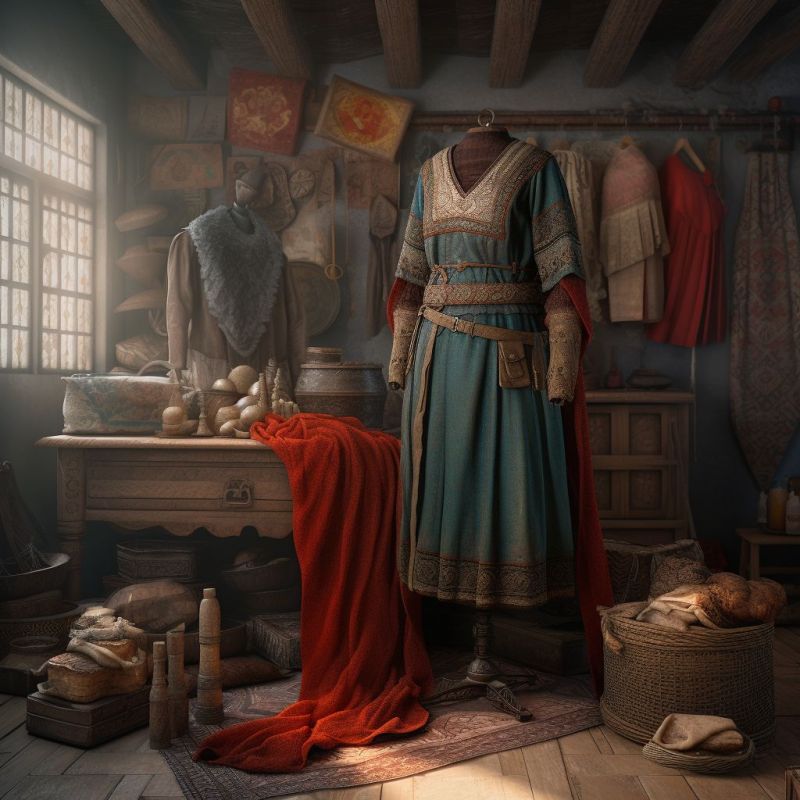
Clothes, Artisan’s1 gp
-
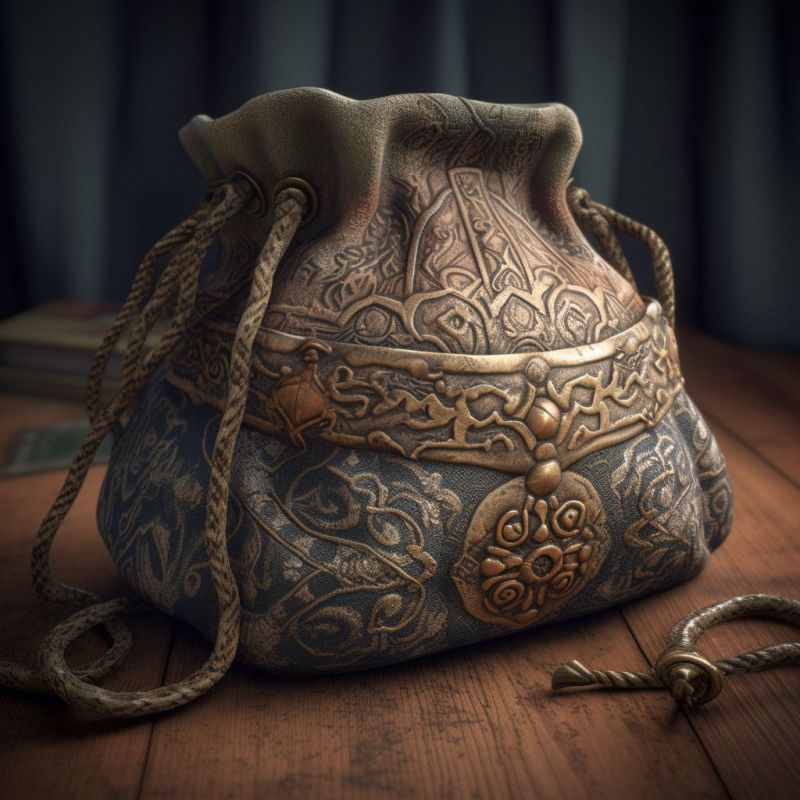
Pouch0.5 gp
-
Bag of Holding5000 gp
-
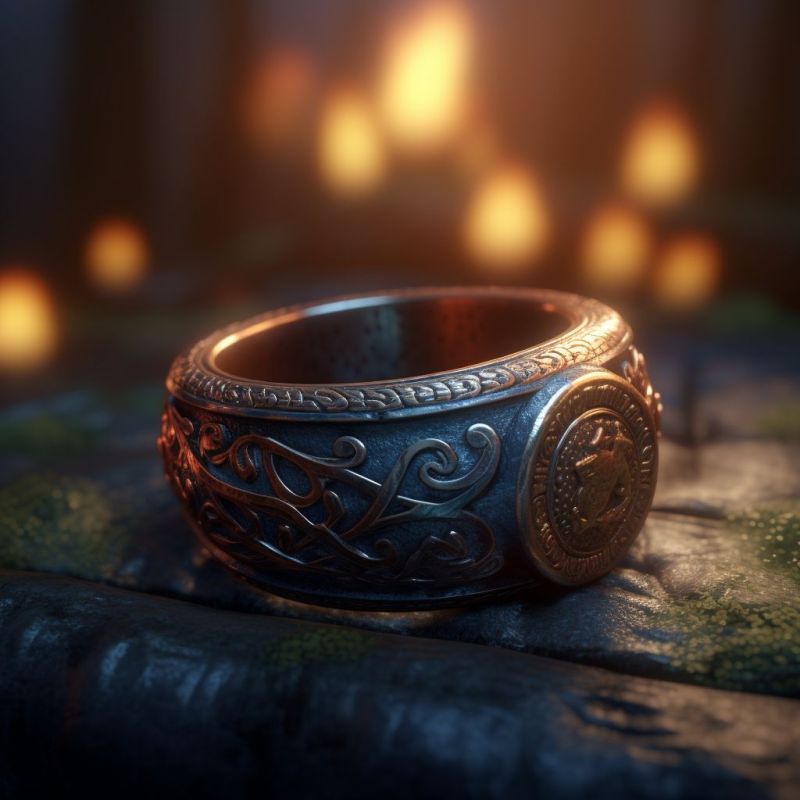
Guild Ring5 gp | Self Teleport
-
Shoes, Leather1 gp
-
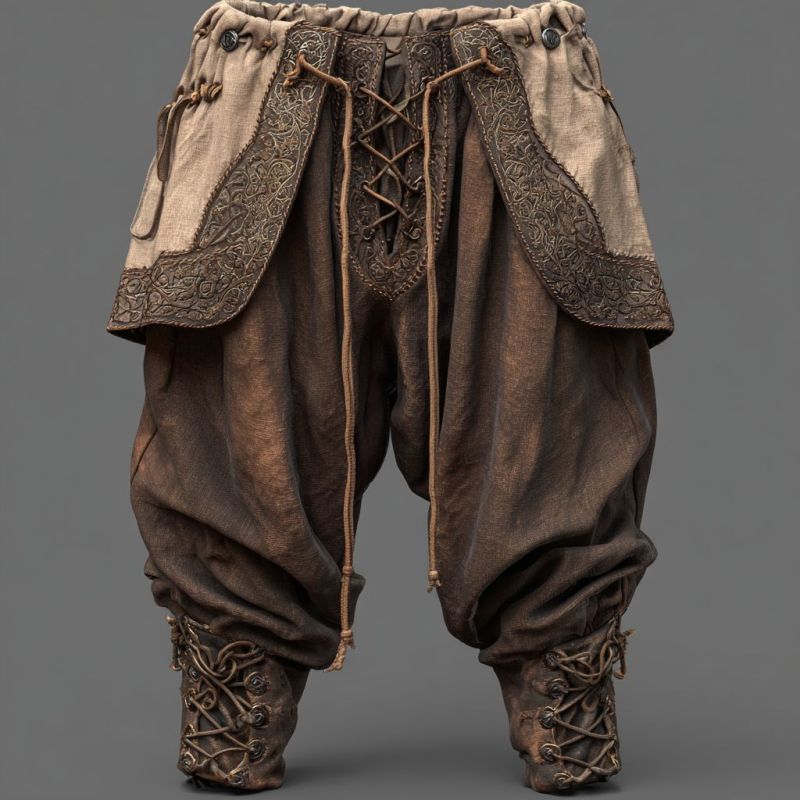
Pants, Cloth0.8 gp
 Inventory Unequipped:
-
69700 Gold Coin1 gp
-
20000 Copper Coin0.01 gp
-
300000 Silver Coin0.1 gp
-
100 Platinum Coin10 gp
-
Ring of Psychic Resistance27.5 2750 gp
-
Elemental Gem, Red Corundum2100 gp
-
Elemental Gem, Yellow Diamond2100 gp
-
Gem of Seeing2100 gp
-
Band of Hammerstone11.96 2400 gp
-
Necklace of Adaptation2500 gp
-
Brooch of Shielding27.5 2750 gp
-
Ring of Acid Resistance27.5 2750 gp
-
Ring of Cold Resistance27.5 2750 gp
-
Ring of Fire Resistance27.5 2750 gp
-
Ring of Force Resistance27.5 2750 gp
-
Ring of Lightning Resistance27.5 2750 gp
-
Ring of Necrotic Resistance27.5 2750 gp
-
Ring of Poison Resistance27.5 2750 gp
-
Elemental Gem, Emerald2100 gp
-
Ring of Radiant Resistance27.5 2750 gp
-
Ring of Thunder Resistance27.5 2750 gp
-
Boots of the Winterlands27.5 2753 gp
-
Crystal Ball of Scrying2.28 3000 gp
-
Dimensional Shackles3000 gp
-
Ring of Telekinesis2.28 3000 gp
-
Robe of Useful Items3000 gp
-
Bag of Tricks, Gray3150 gp
-
Bag of Tricks, Rust3300 gp
-
Helm of Teleportation3550 gp
-
Prayer Bead - Summons10.69 3600 gp
-
Necklace of Prayer Beads0 gp
-
Prayer Bead - Wind Walking8.27 3600 gp
-
Ioun Stone, Magebane1400 gp
-
Ring of Evasion300 gp
-
Quartz5 gp
-
Staff of the Magi3.43 11400.2 gp
-
Mace of Smiting14.08 12255 gp
-
Fabled Wonder6.93 13315 gp
-
Twin-Chained Molten Mauls20.19 16010 gp
-
Rain Stick of Mbala30.98 16400.2 gp
-
Frostwreathed Scythe70.21 16451.5 gp
-
Staff of Power37.24 16700.2 gp
-
Wand of Binding1200 gp
-
Rod of Alertness1.24 1250 gp
-
The Drowned’s Whisper2.7 1350 gp
-
Dispelling Stone1400 gp
-
Wand of Enemy Detection7.85 3600 gp
-
Necklace of Fireballs1400 gp
-
Rod of Absorption1400 gp
-
Ring of Protection20 1500 gp
-
Ring of Water Walking1500 gp
-
Ring of X-ray Vision1500 gp
-
Brazier of Commanding Fire Elementals5.37 1800 gp
-
Censer of Controlling Air Elementals5.37 1800 gp
-
Prayer Bead - Favor4.62 1800 gp
-
Bowl of Commanding Water Elementals5.37 1803 gp
-
Ring of Feather Falling2000 gp
-
Rope of Climbing2050 gp
-
Elemental Gem, Blue Sapphire2100 gp
-
Amulet of Health12000 gp
-
Candle of Invocation8400 gp
-
Ioun Stone, Awareness9000 gp
-
Ring of Air Elemental Command28.19 11000 gp
-
Ring of Earth Elemental Command28.81 10350 gp
-
Ring of Fire Elemental Command27.5 9550 gp
-
Ring of Water Elemental Command66 11250 gp
-
Amulet of Proof against Detection and Location250 10000 gp
-
Cloak of Stealth10000 gp
-
Folding Boat10000 gp
-
Ioun Stone, Regeneration10000 gp
-
Ioun Stone, Sustenance10000 gp
-
Manual of Quickness of Action10000 gp
-
Cloak of Protection20 11000 gp
-
Orbit Stone, Soul10500 gp
-
Belt of Cloud Giant Strength12000 gp
-
Headband of Intellect12000 gp
-
Horseshoes of Speed54 15000 gp
-
Periapt of Health15000 gp
-
Ring of Mind Shielding0.65 15500 gp
-
Ring of Swimming88 17000 gp
-
Cloak of the Manta Ray88 18000 gp
-
Bracers of Archery5.88 19000 gp
-
Boots of Striding and Springing54 19500 gp
-
Gauntlets of Ogre Power75 19500 gp
-
Ring of Spell Storing20000 gp
-
Rod of Rulership20000 gp
-
Wand of the War Mage +320000 gp
-
Ioun Stone, Reserve5000 gp
-
Amulet of the Tides31.54 3625 gp
-
Orb of Dragonkind0.23 3900 gp
-
Immovable Rod4000 gp
-
Ring of Regeneration4000 gp
-
Wand of the War Mage +24000 gp
-
Cloak of Arachnida75.5 4150 gp
-
Bag of Beans14.31 5000 gp
-
Boots of Elvenkind50 5000 gp
-
Cloak of Elvenkind50 5000 gp
-
Eyes of Minute Seeing50 5000 gp
-
Eyes of the Eagle50 5000 gp
-
Gloves of Thievery50 5000 gp
-
Ioun Stone, Mastery5000 gp
-
Grand Shield of the Protector-66.71 5030 gp
-
Ioun Stone, Spirit5000 gp
-
Luckstone5000 gp
-
Piwafwi (Cloak of Elvenkind)50 5000 gp
-
Rope of Entanglement17.82 5000 gp
-
Slippers of Spider Climbing198 5000 gp
-
Winged Boots5000 gp
-
Wings of Flying216 5000 gp
-
Belt of the Arbiter50.19 5150 gp
-
Deck of Illusions6000 gp
-
Cloak of the Bat109.36 6900 gp
-
Orbit Stone, Body7500 gp
-
Orbit Stone, Mind7500 gp
-
Dust of Disappearance700 gp
-
Nolzur's Marvelous Pigments100 gp
-
Wand of Lightning Bolts650 gp
-
Wand of the War Mage +11000 gp
-
Ring of Warmth1000 gp
-
Periapt of Wound Closure1.96 1000 gp
-
Ioun Stone, Protection20 1000 gp
-
Goggles of Night12 1000 gp
-
Glyphwoven Mantle1.65 920 gp
-
Wand of Polymorph900 gp
-
Stone of Controlling Earth Elementals2.07 900 gp
-
Cape of the Mountebank2.31 900 gp
-
Helm of Telepathy0.86 800 gp
-
Wand of Web700 gp
-
Figurine of Wondrous Power - Silver Raven70 gp
-
Chime of Opening700 gp
-
Eversmoking Bottle0.45 250 gp
-
Wand of Fireballs650 gp
-
Tome of Unstable Magic650 gp
-
Lantern of Revealing2 600 gp
-
Fang of the Beast King3.1 600 gp
-
Circlet of Blasting600 gp
-
Boots of Speed1.13 600 gp
-
Wand of Fear550 gp
-
Ring of Shooting Stars550 gp
-
Ring of Animal Influence550 gp
-
Dust of Dryness550 gp
-
Control Rod, Silver550 gp
-
Garnet10 gp
-
Orbit Stone50 gp
-
Arrow-Catching Shield39.88 1510 gp
-
Sun Blade5.22 8815 gp
-
Staff of the Woodlands3.98 6850.2 gp
-
Blade of Betrayal4.01 6115 gp
-
Scimitar of Speed7.94 5675 gp
-
Staff of Frost30.93 5400.2 gp
-
Ambercore Greatsword10.62 5150 gp
-
The Gospel12.39 5102 gp
-
Magic 8-Ball1.8 4650 gp
-
Staff of Fire4.93 4050.2 gp
-
Magical Staff7 gp
-
Wand2 gp
-
Green Ribbon29.16 251 gp
-
Shield of Missile Attraction79.88 5110 gp
-
Javelin of Lightning12.22 600.5 gp
-
Mace of Terror11.28 655 gp
-
Staff of the Python5.5 900.2 gp
-
Trident of Tides7.65 905 gp
-
Staff of Healing3.43 1250.2 gp
-
Riftpiercer Spear12.52 1301 gp
-
Shadowbane Hammer9.27 1315 gp
-
Hammer of Thunderbolts5.62 1510 gp
-
Staff of Swarming Insects3.43 1600.2 gp
-
Staff of Charming18.43 2150.2 gp
-
Scepter of Silent King3.43 1650.2 gp
-
Magical Holy Emblem40 gp
-
Spellsnatcher's Gauntlet210 gp
-
Quaal's Feather Token, Swan Boat3000 gp
-
Wind Fan0.49 300 gp
-
Magical Wand10 gp
-
Blue Quartz1 gp
-
Magical Crystal12 gp
-
Enchanting Tools100 gp
-
Wooden Workbench20 gp
-
Woodworking Tools15 gp
-
Totem10 gp
-
Rod, Wooden2 gp
-
Cleaning Stone100 gp
-
Gold Emblem30 gp
-
Plate Armor of Etherealness94.35 8400 gp
-
Amulet, Gold200 gp
-
Magical Holy Amulet40 gp
-
Reliquary200 gp
-
Magical Holy Reliquary300 gp
-
Magical Sprig of Mistletoe6 gp
-
Sprig of Mistletoe0.02 gp
-
Quarterstaff3.43 0.2 gp
-
Magical Rod10 gp
-
Helm of Comprehending Languages0.28 250 gp
-
Horn of Blasting250 gp
-
Ring of Jumping0.27 250 gp
-
Robe of Scintillating Colors0.19 250 gp
-
Bag of Tricks, Tan300 gp
-
Wand of Magic Detection200 gp
-
Spellguard Shield289.88 10010 gp
-
Eyes of Charming200 gp
-
Prayer Bead - Curing400 gp
-
Wand of Paralysis400 gp
-
Wand of Secrets400 gp
-
Boots of Levitation0.38 500 gp
-
Cloak of Displacement0.45 500 gp
-
Horseshoes of a Zephyr0.38 500 gp
-
Prayer Bead - Smiting0.45 500 gp
-
Ring of Invisibility0.65 500 gp
-
Medallion of Thoughts400 gp
-
Dust of Sneezing and Choking150 gp
-
Gloves of Missile Snaring150 gp
-
Prayer Bead - Bless0.43 150 gp
-
Bead of Force200 gp
-
Dream Dust5 gp
-
Iron Bands of Bilarro200 gp
-
Quaal's Feather Token, Fan200 gp
-
Quaal's Feather Token, Bird205 gp
-
Hat of Disguise0.28 250 gp
-
Quaal's Feather Token, Tree50 gp
-
Quaal's Feather Token, Whip200 gp
-
Quaal's Feather Token, Anchor1000 gp
-
Ring of the Ram200 gp
-
Universal Solvent200 gp
-
Wand of Magic Missiles200 gp
-
Dwarven Thrower9.88 23515 gp
-
Red Terror76.7 28500 gp
-
Serpent's Fang6.54 37515 gp
-
Mace of Disruption17.02 37705 gp
-
Trident of Fish Command7.78 38205 gp
-
Dagger of Venom6.63 38502 gp
-
Blade of Judgement49.05 41850 gp
-
Hexed Lantern Pole7.23 48750.2 gp
-
Staff of Withering7.04 48800.2 gp
-
Aberrations Bane11.78 49925 gp
-
Oathbow12.94 50000 gp
-
Eldritch Staff6.44 50150.2 gp
-
Staff of Thunder and Lightning6.44 54600.2 gp
-
Staff of Striking11.46 60300.2 gp
-
Sword of Votune11.89 66265 gp
-
Blacksteel9.46 66515 gp
-
Belt of Dwarvenkind92.5 20350 gp
-
Primordial Orb of the Chaos God200 20450 gp
-
Book of Order14.44 21280 gp
-
Cube of Force22700 gp
-
Gloves of Swimming and Climbing136 24500 gp
-
Helm of Brilliance27.5 25150 gp
-
Robe of Eyes294 26400 gp
-
Amulet of the Warmage36.33 26750 gp
-
Leviathan Essence31.3 27500 gp
-
Mask of the Guilty277.5 27750.3 gp
-
Ring of Free Action28500 gp
-
Ioun Stone, Absorption55.1 30000 gp
-
Ring of Spell Turning30000 gp
-
Rod of Lordly Might30000 gp
-
Mantle of Spell Resistance250 30001 gp
-
Periapt of Proof against Poison200 35000 gp
-
Cubic Gate62.4 50000 gp
-
Talisman of Pure Good135.72 50000 gp
-
Talisman of Ultimate Evil135.72 50000 gp
-
Talisman of the Sphere0 gp
-
Tome of Clear Thought50000 gp
-
Tome of Leadership and Influence50000 gp
-
Tome of Understanding50000 gp
-
Robe of Stars81.19 50250 gp
-
Ring of Djinni Summoning70000 gp
-
Ring of Three Wishes70000 gp
-
Belt of Hill Giant Strength75000 gp
-
Rod of Security100000 gp
-
Decanter of Endless Water135000 gp
-
Amulet of the Planes150000 gp
-
Belt of Fire Giant Strength180000 gp
-
Belt of Frost Giant Strength150000 gp
-
Belt of Storm Giant Strength265000 gp
-
Belt of Stone Giant Strength180000 gp
-
Gem of Infinite Power200000 gp
-
Robe of the Archmagi, Black200 276000 gp
-
Robe of the Archmagi, Gray200 276000 gp
-
Robe of the Archmagi, White200 276000 gp
-
Manual of Bodily Health3000000 gp
-
Manual of Clay Golems315000 gp
-
Manual of Flesh Golems315000 gp
-
Manual of Gainful Exercise315000 gp
-
Manual of Iron Golems315000 gp
-
Manual of Stone Golems315000 gp
-
Pearl of Power0 gp
- Passive Abilities:
-
Bag of Holding Fragility-1000 gp
-
Never Cross the Planes1000 gp
 At Will Spell(s):
-
Self Teleport
 6
6

 Monster Bits:
-
56 Humanoid Blood0.15 gp
-
147 Animal Bone0.03 gp
-
98 Animal Fat0.5 gp
-
343 Animal Meat0.05 gp
-
49 Soft Skin0.05 gp
A dark elf woman’s deft fingers wield a silver needle, stitching shadow-woven cloth. Her ebony hair gleams under moonlight, boots whispering on stone, as the fabric shimmers with faint, inky tendrils of light.
Dark Elves


🖤⚔️ Dark Elves: Sovereigns of Cruel Ambition
Dark Elves, stripped of the Titans’ light for their ancient betrayals, are Zin’s merciless reavers, thriving in frigid underworlds and icy wastes. 🧊 Their cold beauty masks a ruthless heart, devoted to dark gods through slavery, sacrifice, and hedonistic indulgence. Masters of sorcery and seafaring, they raid distant shores, sowing terror to fuel their quest for power and elusive immortality. In their shadowed realms, Dark Elves weave a legacy of cruelty, their every act a defiant claim to dominion over a world they scorn.
🌑 Shattered Legacy: Origins of Exile
Cast out for jealousy and treachery, Dark Elves lost the Titans’ gift, their banishment forging a race fueled by spite and ambition. 🔥 Embracing dark powers, they swore allegiance to cruel deities, trading compassion for sorcery and supremacy. Their origins lie in a sundered kinship, their once-noble heritage twisted into a vendetta against their elven cousins. Game Masters can craft their beginnings as a cursed diaspora or a pact with forbidden entities, positioning Dark Elves as vengeful exiles or harbingers of chaos.
🦴 Cold Allure: Beauty and Menace
Tall and lithe, Dark Elves mirror their elven kin but exude a chilling elegance—pale skin, sharp features, and eyes that gleam with malice. 🗡️ Clad in dark silks or rune-etched armor, their long hair, adorned with obsidian and blood-red gems, signals their cruel nobility. Their grace belies a predatory strength, honed for slaughter. GMs can describe their icy beauty or sinister poise, evoking dread as their blades flash or their laughter echoes like breaking glass.
🧙♀️ Dark Sorcery: Masters of Forbidden Magic
Dark Elves wield potent dark magic, their innate talent twisted to summon daemonic energies, weave illusions, or rend souls. 🔮 Their sorcery, fueled by blood and sacrifice, defies mortal limits but risks corruption. As they grow, they master spells that bind minds or unleash chaos. GMs can showcase their magic as devastating displays—blasts of shadow or summoned horrors—turning battles into nightmares where the air itself betrays the foe.
⚔️ Ruthless Warriors: Blades of Cruelty
In battle, Dark Elves are relentless, their agility and cunning matched by a sadistic zeal. 🩸 Wielding serrated blades, crossbows, or enchanted spears, they strike with precision, delighting in pain. Their armies, bolstered by enslaved beasts and frenzied zealots, overwhelm through fear and ferocity. GMs can craft encounters as brutal ambushes, with Dark Elves exploiting weaknesses or sowing panic, challenging players to match their merciless tactics.
🏰 Realms of Agony: Citadels of Naggaroth
Dark Elves dwell in towering cities of black stone, carved into icy cliffs or subterranean caverns, their spires piercing storm-wracked skies. 🖼️ These fortresses brim with dungeons of wailing slaves and altars drenched in blood, sustained by raids and dark rituals. GMs can design their realms as oppressive labyrinths, where players navigate treacherous courts, evade assassins, or infiltrate sacrificial temples to thwart dark schemes.
🗝️ Confronting Dark Elves: Dance with Malice
Facing Dark Elves demands resilience against their sorcery and terror tactics. 🛡️ Holy relics or radiant magic disrupt their spells, while exploiting their arrogance—through deception or defiance—can provoke reckless errors. Their reliance on slaves offers openings to sow rebellion. GMs can craft encounters as high-stakes duels or infiltrations, blending combat with intrigue as players face a foe who revels in betrayal and bloodshed.
🌌 Vortex of Vengeful Desire
Dark Elves are Zin’s shadowed scourge, their cold hearts pulsing with hatred and ambition, their blades carving misery into the world’s flesh. 🖤 From icy citadels, they unleash raids and sorcery, dreaming of a dominion built on broken foes. Whether enslaving nations or warring with their kin, they challenge heroes to face their cruelty or join their dark ascent. In their blood-soaked halls, the Druchii spin tales of unrelenting vengeance, daring the bold to extinguish their malevolent flame or be consumed by its wrath.
 Speed:
- Walking Speed: +30
 Special Senses:
- Nightsight: +60
- Contesting Roll ADV vs Status Effect:
-
 Charmed
- Skill Tier 1:
-
 Bending Weapon Skill
 -
 Common Language Skill
 -
 Elvish Language Skill
 -
 Nagh Language Skill
 -
 Umbral Language Skill
- Skill Tier 3:
-
 Attention
 -
 Sneak
Sneak
 Random Name Table Male
-
Names - Dark Elf - Male - First Name
 Random Name Table Female
-
Names - Dark Elf - Female - First Name
 Random Name Table Last Name
-
Names - Dark Elf - Last Name
Merchant - Tier 4 - Grand Merchant
Grand Merchants are the undisputed titans of commerce who command sprawling guild citadels and continent-spanning trade empires from the hearts of the greatest cities. 🪙 Their palatial emporiums overflow with the rarest treasures — legendary weapons that sing with ancient power, elixirs capable of resurrecting the fallen, and exotic crafting materials drawn from distant planes like voidglass, dragonheart crystals, and essence of fallen stars. They eagerly acquire the most mythic relics and dungeon-shattering hauls adventurers return with, converting world-altering plunder into fortunes vast enough to buy kingdoms while supplying the exact components needed to forge artifacts of destiny. Backed by the highest echelons of the Merchant Conclave — guilds bound by oaths older than most empires — they wield ironclad protection: slight one and blacklists can collapse entire noble houses, bounties summon elite enforcers, and trade routes to offending realms simply cease to exist.
Profit remains their singular creed, yet Grand Merchants play the ultimate financial games — funding secret expeditions to lost continents, wagering on the outcomes of wars, or cornering the market on world-shaking magical resources — all while never risking their own skin. 🏪 Masters of enchanted ledgers that whisper across oceans and guild intelligence networks that rival royal spies, they are the pinnacle allies (or most dangerous rivals) capable of elevating a party from celebrated heroes to legends whispered in every hall of power. Smart adventurers cultivate these relationships with care; a Grand Merchant’s favor today can deliver the forbidden relic, the impossible commission, or the empire-shaking alliance that turns tomorrow’s apocalypse into an opportunity for glory. 🪙
 Essences:
-
Body:
+6
-
Mind:
+6
-
Soul:
+6
- Inventory Equipped:
-
Clothes, Artisan’s1 gp
-
Pouch0.5 gp
-
Bag of Holding5000 gp
-
Guild Ring5 gp | Self Teleport
-
Shoes, Leather1 gp
-
Pants, Cloth0.8 gp
- Inventory Unequipped:
-
69700 Gold Coin1 gp
-
20000 Copper Coin0.01 gp
-
300000 Silver Coin0.1 gp
-
100 Platinum Coin10 gp
- Merchant
-
This merchant's wares are tagged with teleportation magic as a contingency. Should the merchant fall in battle, most of their inventory will shimmer and vanish—teleported to a secure location. Only coins and a handful of items that slip through the contingency remain behind.
- Skill Tier 10:
-
Attention
-
 Empathy
Enchanter - Tier 4 (Subtype)
✨🔧 Enchanter: Tier 4 Grand Enchanter
A Tier 4 Enchanter is a premier magical craft authority whose stable bindings, valuable enchantments, and workshop output place them among the most important specialist merchants in the setting. They do not merely make useful enchanted goods. At this tier, their name, methods, and inventory influence trade, warfare, security, and elite ownership of magical equipment.
📚🪄 Training and Foundation
Tier 4 Enchanters represent the highest expression of disciplined enchantment work. They are shaped by elite apprenticeship, guild mastery, temple craft traditions, military contracts, relic restoration, and long years of exacting item-binding practice. Their understanding of runic structure, charge retention, layered effects, material compatibility, anchoring methods, failure correction, and controlled permanence is exceptional. Their skill is no longer just respected. It is definitive.
🧥💠 Appearance and Bearing
These creatures usually appear as grand workshop heads, royal enchanters, military arcane contractors, master jewel-binders, relic authorities, or private magical craftsmen retained by major merchant houses and nobles. Their clothing is practical but high quality, often including reinforced coats, aprons, gloves, lenswork, precision instruments, and sealed cases for focus stones, sigil plates, and commissioned pieces. Their bearing is controlled, professional, and used to handling expensive materials and demanding clients.
🪶📦 Typical Inventory
A Tier 4 Enchanter commonly keeps master-grade charged rings, warded amulets, rune-etched firearms, inscribed bullets, reinforced powder flasks, weapon enhancement plates, protective brooches, defensive jewelry, communication charms, binding seals, alarm wards, locking sigils, stabilized focus gems, bound lantern crystals, travel wards, enchanted officer gear, custom commission samples, low- to mid-grade permanent enchantments, relic maintenance materials, specialist engraving tools, prepared runic plates, silvered wire, binding wax, and partially completed bespoke items awaiting final activation. Their inventory is tightly controlled, expensive, and often difficult to replace.
🧠⚖️ Working Style
Their working style is exact, procedural, and reliability-focused. A Tier 4 Enchanter inspects every base item, confirms material purity, selects the correct binding framework, and layers enchantments through controlled stages designed to prevent instability and waste. They can produce durable permanent enchantments, stronger charged effects, and complex custom pieces while keeping failure rates low. Their work is not built around improvisation. It is built around repeatable quality under strict process.
💰🔮 Trade and Practical Role
What defines this subtype is elite magical utility. Tier 4 Enchanters produce objects that solve expensive and high-stakes problems in security, war, travel, communication, and personal protection. Their work supports admiralties, officer corps, noble households, merchant fleets, banking houses, wealthy adventurers, and institutions that need enchanted gear to function consistently. In a flintlock fantasy economy, they sit at the top end of applied magical manufacturing.
🏪🪵 Business and Workspace
Tier 4 Enchanters usually work from major arcane workshops, guild headquarters, royal foundries, temple vault-studios, secure military facilities, or patron-funded private complexes with assistants, apprentices, guards, and dedicated supply chains. Their spaces are organized around engraving benches, binding circles, reference ledgers, padded vault shelves, locked cabinets, test chambers, secured commission rooms, and stations for volatile or restricted enchantments. Their operation often functions more like a regulated institution than a simple shop.
🏙️👥 Common Roles
These creatures are commonly found as royal enchanters, grand rune-smiths, military item-binding directors, elite jewelry enchanters, relic restoration authorities, naval contract specialists, guild masters, or private arcane manufacturers serving major powers. In large cities and flintlock states, they are often the people consulted when the item is expensive, politically sensitive, or too important to trust to lesser hands.
👑🪙 Place in Society
A Tier 4 Enchanter holds major professional and economic status. Rulers seek their contracts, officers seek their reliability, merchants seek their output, and regulators watch their work closely. Their enchantments can improve military readiness, secure wealth, protect high-ranking clients, and raise the value of entire categories of goods. In a flintlock fantasy setting, they stand at the intersection of commerce, state oversight, and controlled arcane industry.
📈✨ Tier Meaning
Tier 4 represents the enchanter at the height of the merchant-specialist fantasy: supreme binding skill, rare and valuable inventory, strong workshop authority, and exceptional commercial importance. This is the final form of the enchanter role—a grand enchanter whose goods shape how magic is stored, sold, and trusted across an entire region.
- Inventory Unequipped:
-
Ring of Psychic Resistance27.5 2750 gp
-
Elemental Gem, Red Corundum2100 gp
-
Elemental Gem, Yellow Diamond2100 gp
-
Gem of Seeing2100 gp
-
Band of Hammerstone11.96 2400 gp
-
Necklace of Adaptation2500 gp
-
Brooch of Shielding27.5 2750 gp
-
Ring of Acid Resistance27.5 2750 gp
-
Ring of Cold Resistance27.5 2750 gp
-
Ring of Fire Resistance27.5 2750 gp
-
Ring of Force Resistance27.5 2750 gp
-
Ring of Lightning Resistance27.5 2750 gp
-
Ring of Necrotic Resistance27.5 2750 gp
-
Ring of Poison Resistance27.5 2750 gp
-
Elemental Gem, Emerald2100 gp
-
Ring of Radiant Resistance27.5 2750 gp
-
Ring of Thunder Resistance27.5 2750 gp
-
Boots of the Winterlands27.5 2753 gp
-
Crystal Ball of Scrying2.28 3000 gp
-
Dimensional Shackles3000 gp
-
Ring of Telekinesis2.28 3000 gp
-
Robe of Useful Items3000 gp
-
Bag of Tricks, Gray3150 gp
-
Bag of Tricks, Rust3300 gp
-
Helm of Teleportation3550 gp
-
Prayer Bead - Summons10.69 3600 gp
-
Necklace of Prayer Beads0 gp
-
Prayer Bead - Wind Walking8.27 3600 gp
-
Ioun Stone, Magebane1400 gp
-
Ring of Evasion300 gp
-
Quartz5 gp
-
Staff of the Magi3.43 11400.2 gp
-
Mace of Smiting14.08 12255 gp
-
Fabled Wonder6.93 13315 gp
-
Twin-Chained Molten Mauls20.19 16010 gp
-
Rain Stick of Mbala30.98 16400.2 gp
-
Frostwreathed Scythe70.21 16451.5 gp
-
Staff of Power37.24 16700.2 gp
-
Wand of Binding1200 gp
-
Rod of Alertness1.24 1250 gp
-
The Drowned’s Whisper2.7 1350 gp
-
Dispelling Stone1400 gp
-
Wand of Enemy Detection7.85 3600 gp
-
Necklace of Fireballs1400 gp
-
Rod of Absorption1400 gp
-
Ring of Protection20 1500 gp
-
Ring of Water Walking1500 gp
-
Ring of X-ray Vision1500 gp
-
Brazier of Commanding Fire Elementals5.37 1800 gp
-
Censer of Controlling Air Elementals5.37 1800 gp
-
Prayer Bead - Favor4.62 1800 gp
-
Bowl of Commanding Water Elementals5.37 1803 gp
-
Ring of Feather Falling2000 gp
-
Rope of Climbing2050 gp
-
Elemental Gem, Blue Sapphire2100 gp
-
Amulet of Health12000 gp
-
Candle of Invocation8400 gp
-
Ioun Stone, Awareness9000 gp
-
Ring of Air Elemental Command28.19 11000 gp
-
Ring of Earth Elemental Command28.81 10350 gp
-
Ring of Fire Elemental Command27.5 9550 gp
-
Ring of Water Elemental Command66 11250 gp
-
Amulet of Proof against Detection and Location250 10000 gp
-
Cloak of Stealth10000 gp
-
Folding Boat10000 gp
-
Ioun Stone, Regeneration10000 gp
-
Ioun Stone, Sustenance10000 gp
-
Manual of Quickness of Action10000 gp
-
Cloak of Protection20 11000 gp
-
Orbit Stone, Soul10500 gp
-
Belt of Cloud Giant Strength12000 gp
-
Headband of Intellect12000 gp
-
Horseshoes of Speed54 15000 gp
-
Periapt of Health15000 gp
-
Ring of Mind Shielding0.65 15500 gp
-
Ring of Swimming88 17000 gp
-
Cloak of the Manta Ray88 18000 gp
-
Bracers of Archery5.88 19000 gp
-
Boots of Striding and Springing54 19500 gp
-
Gauntlets of Ogre Power75 19500 gp
-
Ring of Spell Storing20000 gp
-
Rod of Rulership20000 gp
-
Wand of the War Mage +320000 gp
-
Ioun Stone, Reserve5000 gp
-
Amulet of the Tides31.54 3625 gp
-
Orb of Dragonkind0.23 3900 gp
-
Immovable Rod4000 gp
-
Ring of Regeneration4000 gp
-
Wand of the War Mage +24000 gp
-
Cloak of Arachnida75.5 4150 gp
-
Bag of Beans14.31 5000 gp
-
Boots of Elvenkind50 5000 gp
-
Cloak of Elvenkind50 5000 gp
-
Eyes of Minute Seeing50 5000 gp
-
Eyes of the Eagle50 5000 gp
-
Gloves of Thievery50 5000 gp
-
Ioun Stone, Mastery5000 gp
-
Grand Shield of the Protector-66.71 5030 gp
-
Ioun Stone, Spirit5000 gp
-
Luckstone5000 gp
-
Piwafwi (Cloak of Elvenkind)50 5000 gp
-
Rope of Entanglement17.82 5000 gp
-
Slippers of Spider Climbing198 5000 gp
-
Winged Boots5000 gp
-
Wings of Flying216 5000 gp
-
Belt of the Arbiter50.19 5150 gp
-
Deck of Illusions6000 gp
-
Cloak of the Bat109.36 6900 gp
-
Orbit Stone, Body7500 gp
-
Orbit Stone, Mind7500 gp
-
Dust of Disappearance700 gp
-
Nolzur's Marvelous Pigments100 gp
-
Wand of Lightning Bolts650 gp
-
Wand of the War Mage +11000 gp
-
Ring of Warmth1000 gp
-
Periapt of Wound Closure1.96 1000 gp
-
Ioun Stone, Protection20 1000 gp
-
Goggles of Night12 1000 gp
-
Glyphwoven Mantle1.65 920 gp
-
Wand of Polymorph900 gp
-
Stone of Controlling Earth Elementals2.07 900 gp
-
Cape of the Mountebank2.31 900 gp
-
Helm of Telepathy0.86 800 gp
-
Wand of Web700 gp
-
Figurine of Wondrous Power - Silver Raven70 gp
-
Chime of Opening700 gp
-
Eversmoking Bottle0.45 250 gp
-
Wand of Fireballs650 gp
-
Tome of Unstable Magic650 gp
-
Lantern of Revealing2 600 gp
-
Fang of the Beast King3.1 600 gp
-
Circlet of Blasting600 gp
-
Boots of Speed1.13 600 gp
-
Wand of Fear550 gp
-
Ring of Shooting Stars550 gp
-
Ring of Animal Influence550 gp
-
Dust of Dryness550 gp
-
Control Rod, Silver550 gp
-
Garnet10 gp
-
Orbit Stone50 gp
-
Arrow-Catching Shield39.88 1510 gp
-
Sun Blade5.22 8815 gp
-
Staff of the Woodlands3.98 6850.2 gp
-
Blade of Betrayal4.01 6115 gp
-
Scimitar of Speed7.94 5675 gp
-
Staff of Frost30.93 5400.2 gp
-
Ambercore Greatsword10.62 5150 gp
-
The Gospel12.39 5102 gp
-
Magic 8-Ball1.8 4650 gp
-
Staff of Fire4.93 4050.2 gp
-
Magical Staff7 gp
-
Wand2 gp
-
Green Ribbon29.16 251 gp
-
Shield of Missile Attraction79.88 5110 gp
-
Javelin of Lightning12.22 600.5 gp
-
Mace of Terror11.28 655 gp
-
Staff of the Python5.5 900.2 gp
-
Trident of Tides7.65 905 gp
-
Staff of Healing3.43 1250.2 gp
-
Riftpiercer Spear12.52 1301 gp
-
Shadowbane Hammer9.27 1315 gp
-
Hammer of Thunderbolts5.62 1510 gp
-
Staff of Swarming Insects3.43 1600.2 gp
-
Staff of Charming18.43 2150.2 gp
-
Scepter of Silent King3.43 1650.2 gp
-
Magical Holy Emblem40 gp
-
Spellsnatcher's Gauntlet210 gp
-
Quaal's Feather Token, Swan Boat3000 gp
-
Wind Fan0.49 300 gp
-
Magical Wand10 gp
-
Blue Quartz1 gp
-
Magical Crystal12 gp
-
Enchanting Tools100 gp
-
Wooden Workbench20 gp
-
Woodworking Tools15 gp
-
Totem10 gp
-
Rod, Wooden2 gp
-
Cleaning Stone100 gp
-
Gold Emblem30 gp
-
Plate Armor of Etherealness94.35 8400 gp
-
Amulet, Gold200 gp
-
Magical Holy Amulet40 gp
-
Reliquary200 gp
-
Magical Holy Reliquary300 gp
-
Magical Sprig of Mistletoe6 gp
-
Sprig of Mistletoe0.02 gp
-
Quarterstaff3.43 0.2 gp
-
Magical Rod10 gp
-
Helm of Comprehending Languages0.28 250 gp
-
Horn of Blasting250 gp
-
Ring of Jumping0.27 250 gp
-
Robe of Scintillating Colors0.19 250 gp
-
Bag of Tricks, Tan300 gp
-
Wand of Magic Detection200 gp
-
Spellguard Shield289.88 10010 gp
-
Eyes of Charming200 gp
-
Prayer Bead - Curing400 gp
-
Wand of Paralysis400 gp
-
Wand of Secrets400 gp
-
Boots of Levitation0.38 500 gp
-
Cloak of Displacement0.45 500 gp
-
Horseshoes of a Zephyr0.38 500 gp
-
Prayer Bead - Smiting0.45 500 gp
-
Ring of Invisibility0.65 500 gp
-
Medallion of Thoughts400 gp
-
Dust of Sneezing and Choking150 gp
-
Gloves of Missile Snaring150 gp
-
Prayer Bead - Bless0.43 150 gp
-
Bead of Force200 gp
-
Dream Dust5 gp
-
Iron Bands of Bilarro200 gp
-
Quaal's Feather Token, Fan200 gp
-
Quaal's Feather Token, Bird205 gp
-
Hat of Disguise0.28 250 gp
-
Quaal's Feather Token, Tree50 gp
-
Quaal's Feather Token, Whip200 gp
-
Quaal's Feather Token, Anchor1000 gp
-
Ring of the Ram200 gp
-
Universal Solvent200 gp
-
Wand of Magic Missiles200 gp
-
Dwarven Thrower9.88 23515 gp
-
Red Terror76.7 28500 gp
-
Serpent's Fang6.54 37515 gp
-
Mace of Disruption17.02 37705 gp
-
Trident of Fish Command7.78 38205 gp
-
Dagger of Venom6.63 38502 gp
-
Blade of Judgement49.05 41850 gp
-
Hexed Lantern Pole7.23 48750.2 gp
-
Staff of Withering7.04 48800.2 gp
-
Aberrations Bane11.78 49925 gp
-
Oathbow12.94 50000 gp
-
Eldritch Staff6.44 50150.2 gp
-
Staff of Thunder and Lightning6.44 54600.2 gp
-
Staff of Striking11.46 60300.2 gp
-
Sword of Votune11.89 66265 gp
-
Blacksteel9.46 66515 gp
-
Belt of Dwarvenkind92.5 20350 gp
-
Primordial Orb of the Chaos God200 20450 gp
-
Book of Order14.44 21280 gp
-
Cube of Force22700 gp
-
Gloves of Swimming and Climbing136 24500 gp
-
Helm of Brilliance27.5 25150 gp
-
Robe of Eyes294 26400 gp
-
Amulet of the Warmage36.33 26750 gp
-
Leviathan Essence31.3 27500 gp
-
Mask of the Guilty277.5 27750.3 gp
-
Ring of Free Action28500 gp
-
Ioun Stone, Absorption55.1 30000 gp
-
Ring of Spell Turning30000 gp
-
Rod of Lordly Might30000 gp
-
Mantle of Spell Resistance250 30001 gp
-
Periapt of Proof against Poison200 35000 gp
-
Cubic Gate62.4 50000 gp
-
Talisman of Pure Good135.72 50000 gp
-
Talisman of Ultimate Evil135.72 50000 gp
-
Talisman of the Sphere0 gp
-
Tome of Clear Thought50000 gp
-
Tome of Leadership and Influence50000 gp
-
Tome of Understanding50000 gp
-
Robe of Stars81.19 50250 gp
-
Ring of Djinni Summoning70000 gp
-
Ring of Three Wishes70000 gp
-
Belt of Hill Giant Strength75000 gp
-
Rod of Security100000 gp
-
Decanter of Endless Water135000 gp
-
Amulet of the Planes150000 gp
-
Belt of Fire Giant Strength180000 gp
-
Belt of Frost Giant Strength150000 gp
-
Belt of Storm Giant Strength265000 gp
-
Belt of Stone Giant Strength180000 gp
-
Gem of Infinite Power200000 gp
-
Robe of the Archmagi, Black200 276000 gp
-
Robe of the Archmagi, Gray200 276000 gp
-
Robe of the Archmagi, White200 276000 gp
-
Manual of Bodily Health3000000 gp
-
Manual of Clay Golems315000 gp
-
Manual of Flesh Golems315000 gp
-
Manual of Gainful Exercise315000 gp
-
Manual of Iron Golems315000 gp
-
Manual of Stone Golems315000 gp
-
Pearl of Power0 gp
- Skill Tier 12:
-
 Enchanting
 -
Runeforging


