Menu
 Ancestries
 Backgrounds
 Lineages
 Classes
 Subclasses
 Spells
 Curses
 Mentas
 Sanguines
 Feats
Feats
 Passive
 Full
Full
 Standard
 Quick
Quick
 Attack
 Free
Free
 Reaction
 Opp. Attack
 Innate Skills
 Gathering Skills
 Knowledge Skills
 Crafting Skills
 Weapon Skills
 Armor Skills
 Defensive Skills
 Status Effects
 Crafting
 Alchemy
 Art
Art
 Cooking
 Enchanting
 Glassblowing
 Jewelling
 Leatherworking
 Machining
 Masoning
 Smithing
 Weaving
 Woodworking
View All Crafting
View All Rules
Woodworking
View All Crafting
View All Rules


















































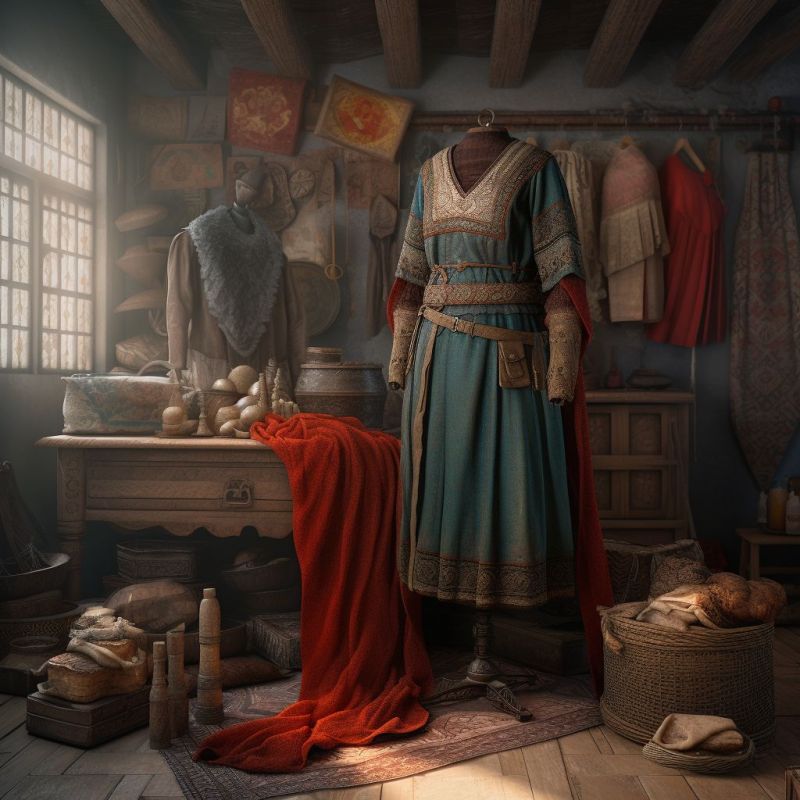
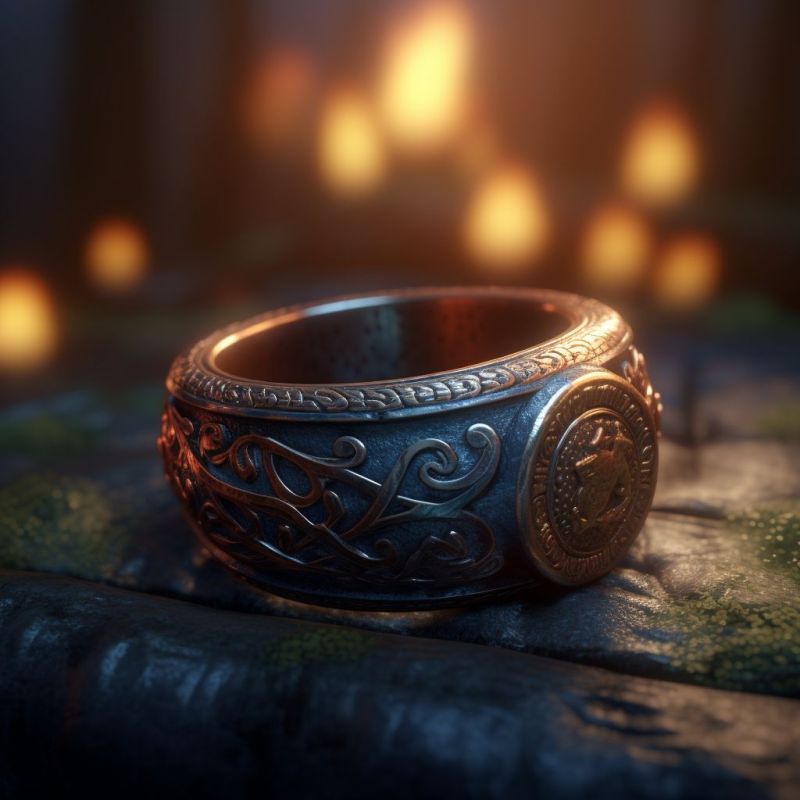
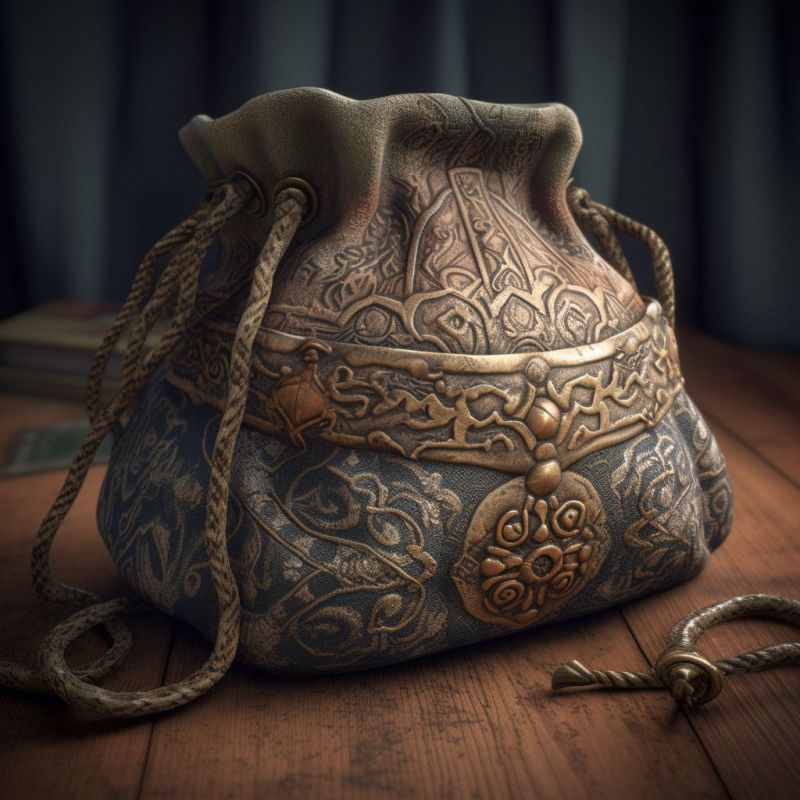
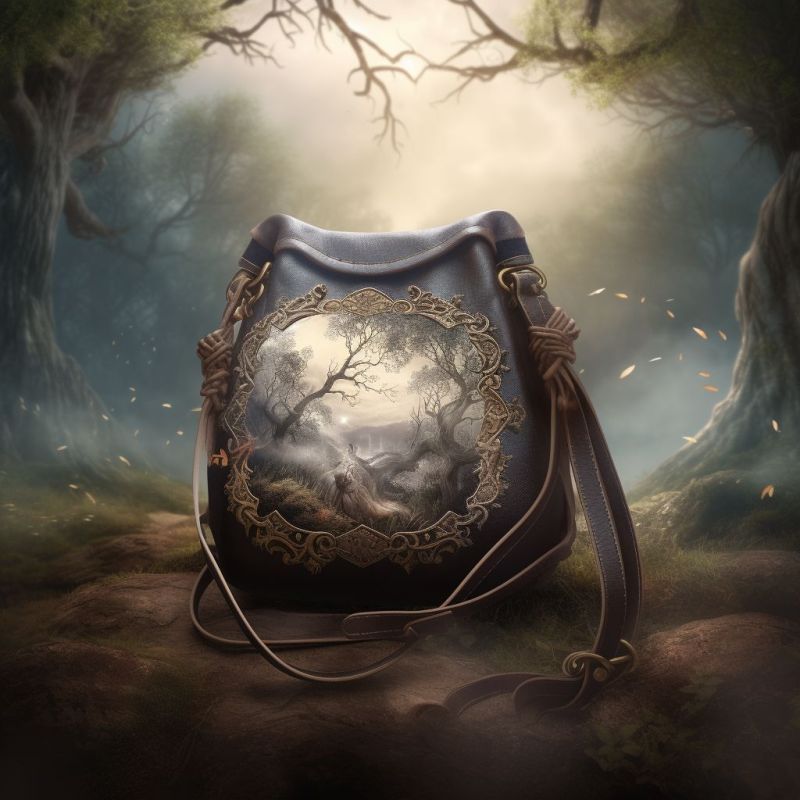
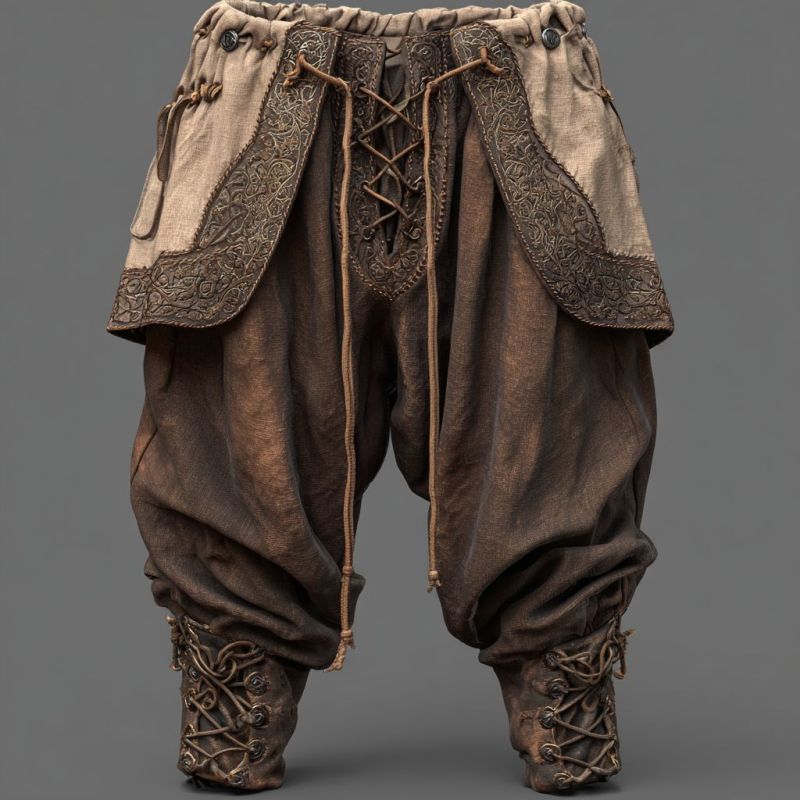
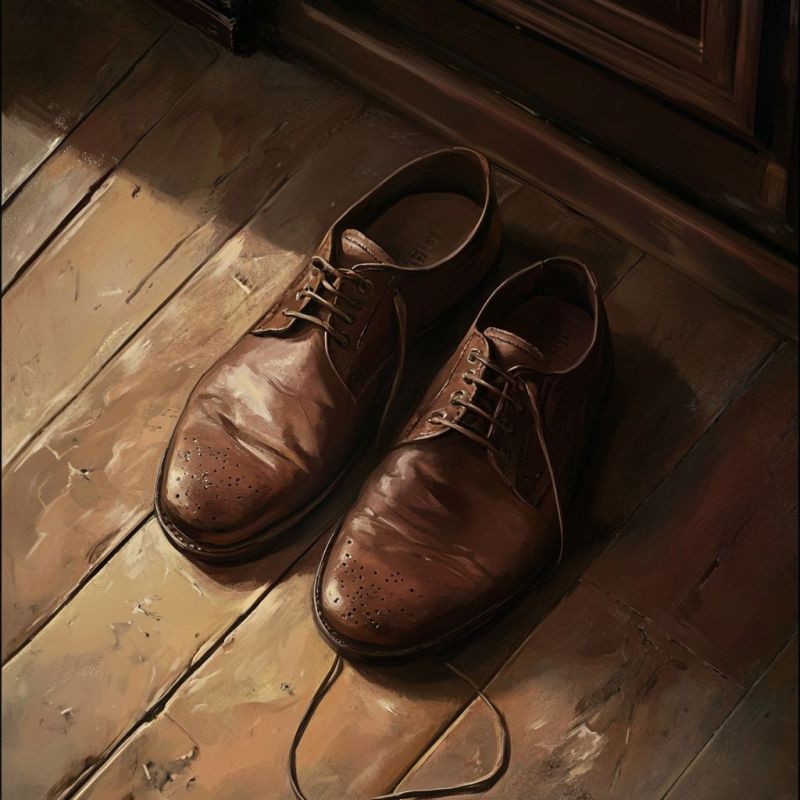
 Inventory Equipped:
-
Clothes, Artisan’s1 gp
-
Pouch0.5 gp
-
Bag of Holding5000 gp
-
Guild Ring5 gp | Self Teleport
-
Shoes, Leather1 gp
-
Pants, Cloth0.8 gp
 Inventory Unequipped:
-
69700 Gold Coin1 gp
-
20000 Copper Coin0.01 gp
-
300000 Silver Coin0.1 gp
-
100 Platinum Coin10 gp
-
20 Painting Tools15 gp
-
20 Tapestry, Huge250 gp
-
20 Fresco, Huge800 gp
-
20 Artwork, Tier 8600 gp
-
20 Artwork, Tier 7250 gp
-
20 Artwork, Tier 11 gp
-
20 Artwork, Tier 25 gp
-
20 Artwork, Tier 310 gp
-
20 Vase, Ceramic20 gp
-
20 Pitcher0.02 gp
-
20 Porcelain Teacup0.3 gp
-
20 Porcelain Teapot2 gp
-
20 Fresco, Medium30 gp
-
20 Fresco, Small10 gp
-
20 Tapestry, Small1 gp
-
20 Tapestry, Medium3 gp
-
20 Artwork, Tier 425 gp
-
20 Artwork, Tier 550 gp
-
20 Artwork, Tier 6100 gp
-
20 Fresco, Large100 gp
-
20 Tapestry, Large50 gp
-
20 Artwork, Master2500 gp
-
20 Artwork, Tier 91200 gp
- Passive Abilities:
-
Bag of Holding Fragility-1000 gp
-
Never Cross the Planes1000 gp
 At Will Spell(s):
-
Command Foe
 1
1
-
Self Teleport
6

 Monster Bits:
-
56 Humanoid Blood0.15 gp
-
147 Animal Bone0.03 gp
-
98 Animal Fat0.5 gp
-
343 Animal Meat0.05 gp
-
49 Soft Skin0.05 gp
A dark dwarf woman’s calloused hands grip a rune-etched pickaxe, its iron head sparking against obsidian veins. Her braided hair swings, boots crunching soot, as sweat glistens on her soot-streaked, muscular arms.
Dark Dwarves


Origins and Nature
Born from the scorched remains of Nasten’s fury, the Dark Dwarves are a cursed subrace of dwarves, twisted by the fire and brimstone of the underground. Unlike their surface-dwelling kin, who embody craftsmanship and resilience, Dark Dwarves are thin, wiry, and unnervingly cruel, their minds sharpened by magic and their hearts blackened by an insatiable thirst for power.
Where traditional dwarves build grand halls of stone and gold, the Dark Dwarves hollow out the very bones of the world, raising cities fueled by the breath of the earth itself. Volcanic vents power their forges, great pillars of obsidian hold their citadels aloft, and rivers of molten rock light their grim dominions beneath the surface. They do not mine; they rip the earth apart to feed their machines of war.
Appearance and Physiology
At a glance, a Dark Dwarf might pass for one of their surface cousins, but closer inspection reveals their ashen skin, hardened like cooled magma, and small, sharp tusks protruding from their lower jaws—a mark of their bloodline’s corruption. Their eyes glow dimly like embers, flickering when they channel their innate magic, a power that comes as naturally to them as forging steel does to their kin.
Unlike the stocky, broad-shouldered dwarves of the mountains, Dark Dwarves are leaner, built for cunning rather than brute strength. Their dexterous hands are accustomed to both spellcraft and cruelty, able to shape metal with precision or wield their infamous chain-whips, tools of torment and domination.
Society and Culture
Dark Dwarven society is built on enslavement. To them, labor is not a right but a privilege, one that only the strong are entitled to. Those beneath them—be they orcs, ogres, goblins, gnolls, or even unfortunate surface-dwellers—are shackled, beaten, and forced to toil in their magma-choked forges, working tirelessly on projects shrouded in secrecy.
Whispers speak of weapons unlike any the world has seen, destructive forces capable of annihilating entire cities, crafted in the depths where no light shines. Some say these are mere rumors, the fearful imaginings of those who have only glimpsed the horrors of Dark Dwarven rule. Others believe that one day, the world will wake to find entire kingdoms reduced to cinders—proof that the Dark Dwarves’ experiments have borne fruit.
The Cities of Ash and Flame
Dark Dwarven cities are unlike the grand halls of the surface dwarves. They are fortresses of cruelty, where the air is thick with soot and the streets echo with the wails of the enslaved. Black iron towers stretch toward cavern ceilings, linked by metal chains thick enough to hold a dragon. Rivers of lava are redirected through their strongholds, powering immense machines of war and unknown arcane devices.
Their citadels are ruled by The Brimstone Lords, ruthless sorcerer-kings who claim divine right from Nasten himself. The strong rule, the weak serve, and mercy is a foreign concept.
Magic and Warfare
Unlike surface dwarves, who are resistant to magic, Dark Dwarves embrace it fully, wielding it as both a tool and a weapon. Their spells are not born of study or divine favor but forged through suffering and fire, branded into their very bones.
Their warriors are pyromancers and warlocks, setting battlefields ablaze with enchanted chains and fire-forged weapons. Even their smiths weave destructive magic into their creations, crafting armor that bleeds heat, blades that drink the life from their victims, and cursed relics that twist the mind.
Their soldiers do not march in ranks like men, nor do they charge like orcs. They stalk the battlefield like hunters, striking from the shadows, crippling their foes before the final blow.
Faith: Worship of Nasten, Prince of Fire and Brimstone
Despite their name, Dark Dwarves do not worship the forces of darkness. They do not whisper prayers to shadowy gods or make pacts with demons. Instead, they revere Nasten, the Prince of Fire and Brimstone, the god of destruction, wrath, and domination.
To them, Nasten is not merely a deity—he is proof that only the strong survive. The flames of his hatred forged the world, and they believe it is their duty to reshape it in his image, to reduce the weak to ash and build an empire worthy of his gaze.
Their priests are battle-warmages, clad in armor blackened by fire, leading their kin into war with flames licking at their fingertips. Their temples are not places of worship but furnaces, where offerings of steel, blood, and suffering are made in Nasten’s name.
The Terror They Bring
Dark Dwarves are not a race content to dwell in the shadows forever. They are patient, but never idle. Their ambitions are whispered on the wind, carried by terrified escapees and desperate survivors. Some say they seek to conquer the underworld itself, making even the demons bow before them. Others fear their gaze has turned upward, toward the lands above, where kingdoms rest unaware of the inferno waiting beneath their feet.
When a Dark Dwarf warband emerges from the depths, it is not for conquest—it is for destruction. They do not seek gold, nor land, nor glory. They seek only to burn.
- At Will Spell(s):
-
Command Foe
1
 Speed:
- Walking Speed: +20
- Damage Type Resistance:
-
 Fire
Fire
- Immune to Status Effect:
-
 Frightened
- Skill Tier 1:
-
 Common Language Skill
 -
 Dwarvish Language Skill
 -
 Nagh Language Skill
 Random Name Table Male
-
Names - Dark Dwarf - Male - First Name
 Random Name Table Female
-
Names - Dark Dwarf - Female - First Name
 Random Name Table Last Name
-
Names - Dark Dwarf - Last Name
Merchant - Tier 4 - Grand Merchant
Grand Merchants are the undisputed titans of commerce who command sprawling guild citadels and continent-spanning trade empires from the hearts of the greatest cities. 🪙 Their palatial emporiums overflow with the rarest treasures — legendary weapons that sing with ancient power, elixirs capable of resurrecting the fallen, and exotic crafting materials drawn from distant planes like voidglass, dragonheart crystals, and essence of fallen stars. They eagerly acquire the most mythic relics and dungeon-shattering hauls adventurers return with, converting world-altering plunder into fortunes vast enough to buy kingdoms while supplying the exact components needed to forge artifacts of destiny. Backed by the highest echelons of the Merchant Conclave — guilds bound by oaths older than most empires — they wield ironclad protection: slight one and blacklists can collapse entire noble houses, bounties summon elite enforcers, and trade routes to offending realms simply cease to exist.
Profit remains their singular creed, yet Grand Merchants play the ultimate financial games — funding secret expeditions to lost continents, wagering on the outcomes of wars, or cornering the market on world-shaking magical resources — all while never risking their own skin. 🏪 Masters of enchanted ledgers that whisper across oceans and guild intelligence networks that rival royal spies, they are the pinnacle allies (or most dangerous rivals) capable of elevating a party from celebrated heroes to legends whispered in every hall of power. Smart adventurers cultivate these relationships with care; a Grand Merchant’s favor today can deliver the forbidden relic, the impossible commission, or the empire-shaking alliance that turns tomorrow’s apocalypse into an opportunity for glory. 🪙
 Essences:
-
Body:
+6
-
Mind:
+6
-
Soul:
+6
- Inventory Equipped:
-
Clothes, Artisan’s1 gp
-
Pouch0.5 gp
-
Bag of Holding5000 gp
-
Guild Ring5 gp | Self Teleport
-
Shoes, Leather1 gp
-
Pants, Cloth0.8 gp
- Inventory Unequipped:
-
69700 Gold Coin1 gp
-
20000 Copper Coin0.01 gp
-
300000 Silver Coin0.1 gp
-
100 Platinum Coin10 gp
- Merchant
-
This merchant's wares are tagged with teleportation magic as a contingency. Should the merchant fall in battle, most of their inventory will shimmer and vanish—teleported to a secure location. Only coins and a handful of items that slip through the contingency remain behind.
- Skill Tier 10:
-
 Attention
 -
 Empathy
Artist - Tier 4 (Subtype)
🎨🖌️ Artist: Tier 4 Master
A Tier 4 Artist is a supreme creative professional whose technical mastery, unmistakable style, and cultural influence place them among the most important makers in the setting. They do not merely produce admired work. At this tier, their creations shape taste, status, memory, and the visual identity of entire institutions.
📚🪵 Training and Foundation
Tier 4 Artists represent the highest expression of disciplined craft and creative authority. They are shaped by elite apprenticeships, guild mastery, temple patronage, noble commissions, workshop leadership, and long years of exacting practice. Their understanding of composition, symbolism, material quality, restoration, and presentation is exceptional. Their skill is no longer just proven. It is definitive.
👁️🧵 Appearance and Bearing
These creatures usually appear as legendary painters, master sculptors, court image-makers, grand muralists, revered iconographers, elite engravers, or heads of famous workshops. Their clothing is practical but fine, often paired with carefully kept tools, protected cases, sample folios, sealed commission packets, and materials too valuable to treat casually. They carry themselves like people used to scrutiny from patrons, rivals, guilds, and powerful clients.
🖼️🛒 Typical Inventory
A Tier 4 Artist commonly keeps masterwork portraits, ceremonial paintings, shrine icons, carved monuments, custom statues, illuminated manuscripts, lacquered and gilded panels, festival centerpiece masks, engraved memorial tablets, rare pigments, precious metal leaf, imported inks, premium brushes, specialist carving tools, restoration compounds, and major commissioned works awaiting installation or delivery. Their available stock is usually limited, curated, and expensive, with even unfinished pieces treated as valuable goods.
🧠📐 Working Style
Their working style is deliberate, exact, and highly recognizable. A Tier 4 Artist can execute traditional forms flawlessly, innovate without losing discipline, and manage works meant for courts, temples, guildhalls, estates, tombs, and public monuments. Clients do not seek them out merely because they can make something beautiful. They seek them out because their hand gives the work prestige.
🏠🕯️ Social and Economic Role
What defines this subtype is cultural authority through creation. Tier 4 Artists do more than decorate spaces or satisfy patrons. They define public imagery, preserve dynasties, shape devotional practice, influence guild standards, and create the objects by which wealth, piety, victory, and legacy are displayed. Their work often outlives the people who commissioned it.
💰📦 Trade and Mobility
Tier 4 Artists usually work from major studios, patron-funded workshops, temple complexes, court commissions, or renowned guild spaces staffed by assistants, apprentices, and specialist laborers. They are sustained less by common market trade and more by elite contracts, public works, restoration of significant pieces, and patron relationships. Their name often carries enough value to increase the price of anything they touch.
🏘️👥 Common Roles
These creatures are commonly found as royal portraitists, cathedral mural masters, famous sculptors, monument designers, guild masters, sacred icon-makers, elite manuscript authorities, or cultural figures entrusted with the most visible artistic work in a region. In settlements, they are often the ones chosen when the piece must endure, impress, and be remembered for generations.
👑🪙 Place in Society
A Tier 4 Artist holds major social and cultural status. Nobles, clergy, guild leaders, and wealthy merchants seek their work not just for quality, but for legitimacy and reputation. Their opinion may influence taste, workshop standards, commissions, and the careers of other artists. In many places, owning their work is itself a statement of power and refinement.
📈🎭 Tier Meaning
Tier 4 represents the artist at the height of the merchant and maker fantasy: supreme craftsmanship, curated masterwork inventory, cultural influence, and exceptional social value. This is the final form of the artist role—a master whose creations define spaces, preserve legacies, and set the standard others spend careers trying to reach.
- Skill Roll ADV:
-
 Art
Art
- Inventory Unequipped:
-
20 Painting Tools15 gp
-
20 Tapestry, Huge250 gp
-
20 Fresco, Huge800 gp
-
20 Artwork, Tier 8600 gp
-
20 Artwork, Tier 7250 gp
-
20 Artwork, Tier 11 gp
-
20 Artwork, Tier 25 gp
-
20 Artwork, Tier 310 gp
-
20 Vase, Ceramic20 gp
-
20 Pitcher0.02 gp
-
20 Porcelain Teacup0.3 gp
-
20 Porcelain Teapot2 gp
-
20 Fresco, Medium30 gp
-
20 Fresco, Small10 gp
-
20 Tapestry, Small1 gp
-
20 Tapestry, Medium3 gp
-
20 Artwork, Tier 425 gp
-
20 Artwork, Tier 550 gp
-
20 Artwork, Tier 6100 gp
-
20 Fresco, Large100 gp
-
20 Tapestry, Large50 gp
-
20 Artwork, Master2500 gp
-
20 Artwork, Tier 91200 gp
- Merchant
-
This merchant's wares are tagged with teleportation magic as a contingency. Should the merchant fall in battle, most of their inventory will shimmer and vanish—teleported to a secure location. Only coins and a handful of items that slip through the contingency remain behind.
- Skill Tier 11:
-
Art


