Menu
 Ancestries
 Backgrounds
 Lineages
 Classes
 Subclasses
 Spells
 Curses
 Mentas
 Sanguines
 Feats
Feats
 Passive
 Full
Full
 Standard
 Quick
Quick
 Attack
 Free
Free
 Reaction
 Opp. Attack
 Innate Skills
 Gathering Skills
 Knowledge Skills
 Crafting Skills
 Weapon Skills
 Armor Skills
 Defensive Skills
 Status Effects
 Crafting
 Alchemy
 Art
Art
 Cooking
 Enchanting
 Glassblowing
 Jewelling
 Leatherworking
 Machining
 Masoning
 Smithing
 Weaving
 Woodworking
View All Crafting
View All Rules
Woodworking
View All Crafting
View All Rules


















































 Inventory Equipped:
-
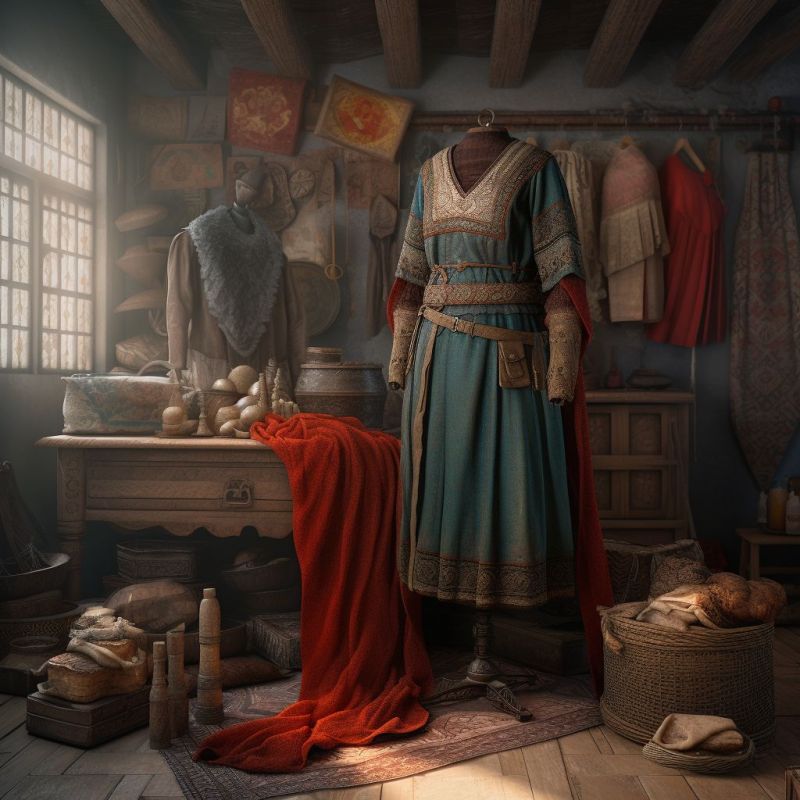
Clothes, Artisan’s1 gp
-
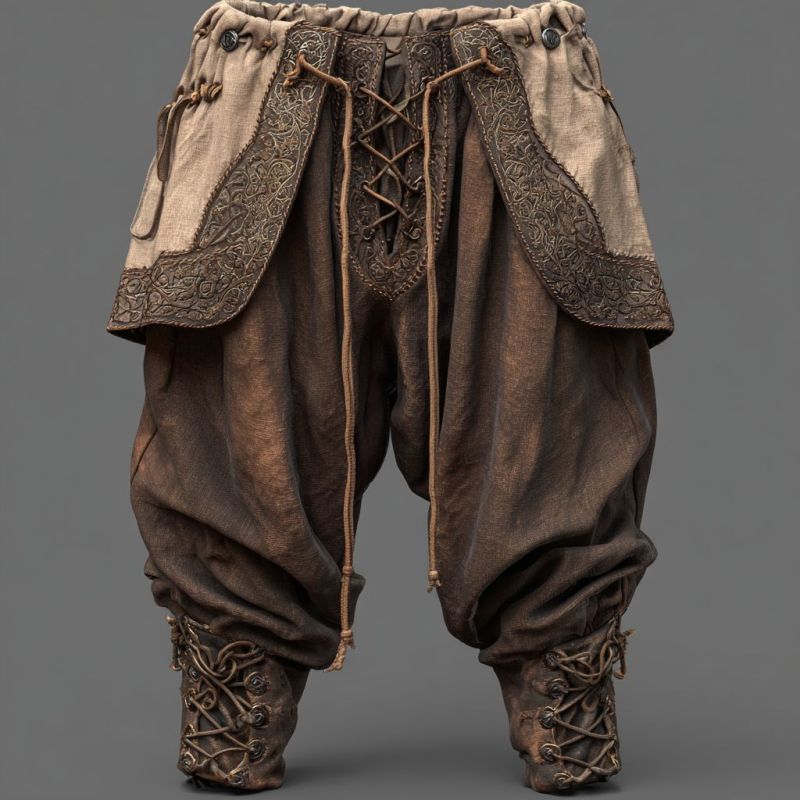
Pants, Cloth0.8 gp
-
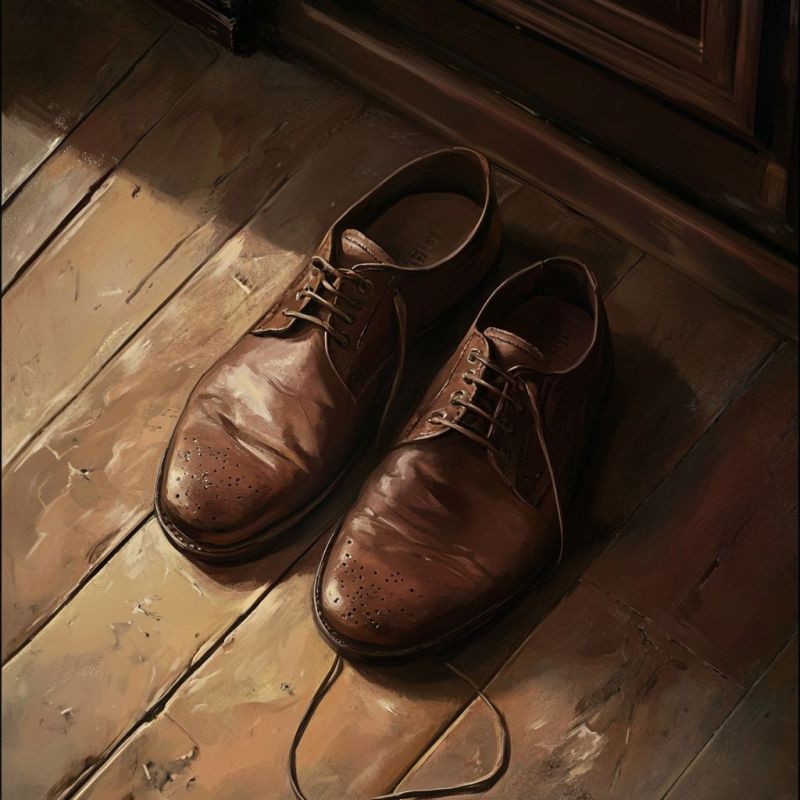
Shoes, Leather1 gp
-
Gloves, Leather5 gp
-
Guild Ring5 gp | Self Teleport
-
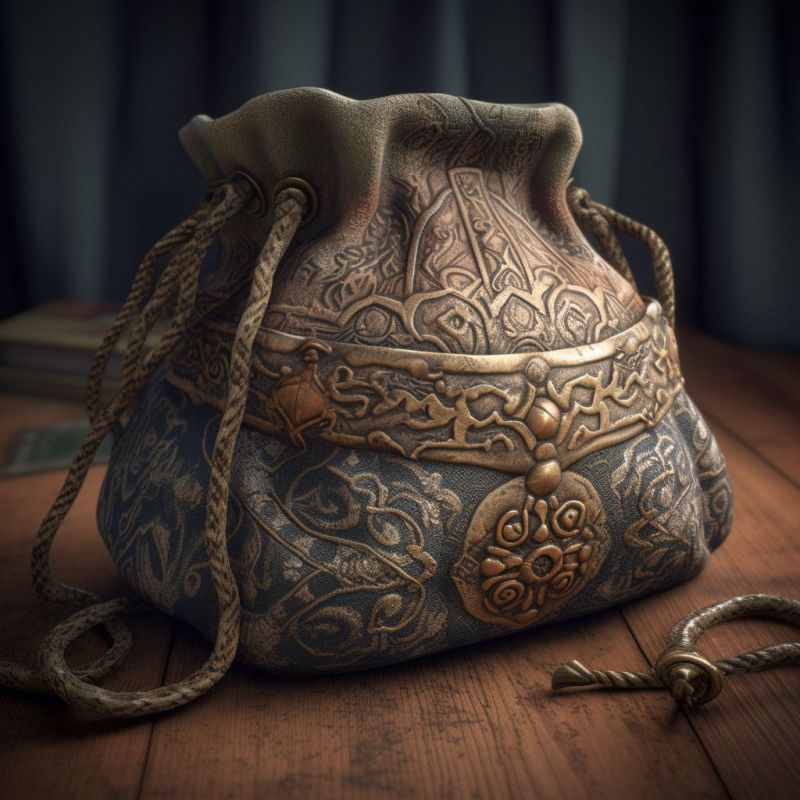
Pouch0.5 gp
 Inventory Unequipped:
-
7750 Gold Coin1 gp
-
15000 Copper Coin0.01 gp
-
120000 Silver Coin0.1 gp
-
10 Platinum Coin10 gp
-
20 Elixir of Lightning Resistance27.5 45 gp
-
20 Elixir of Psychic Resistance27.5 45 gp
-
20 Nightshade Herb5 gp
-
20 Eyebright Herb5 gp
-
20 Elixir of Poison Resistance27.5 45 gp
-
20 Elixir of Peerless Focus70 30 gp
-
20 Snapdragon Herb5 gp
-
20 Elixir of Necrotic Resistance27.5 45 gp
-
20 Lunar Root Herb5 gp
-
20 Faerie Blossom Herb15 gp
-
20 Stormvine Herb30 gp
-
20 Elixir of Freedom of Movement152 400 gp
-
20 Ooze Slime5 gp
-
20 Star Thistle Herb5 gp
-
20 Elixir of Force Resistance27.5 45 gp
-
20 Elixir of Fire Resistance27.5 45 gp
-
20 Dragons Elemental Sack500 gp
-
20 Dream Dust5 gp
-
20 Elixir of Water Breathing25 gp
-
20 Mugwort Herb1 gp
-
20 Alchemist's Fire5.01 13 gp
-
20 Sunflower Herb5 gp
-
20 Flask, Glass0.03 gp
-
20 Emberstalk Herb5 gp
-
20 Drinking Water0.01 gp
-
20 Citronella Herb0.1 gp
-
20 Kaeth Herb10 gp
-
20 Starflower Herb100 gp
-
20 Baptisia Herb5 gp
-
20 Elixir of Viciousness30 50 gp
-
20 Blackthorn Herb15 gp
-
20 Elixir of Thunder Resistance27.5 45 gp
-
20 Elixir of See Invisibility40 gp
-
20 Bloodroot Herb30 gp
-
20 Elixir of Radiant Resistance27.5 45 gp
-
20 Regeneration Potion, Adept100 gp
-
20 Dragon Blood10 gp
-
20 Potion of Draconic Might172.4 500 gp
-
20 Potion of Dragon's Gullet8.43 100 gp
-
20 Potion of Enlarge Target100 gp
-
20 Animal Blood0.1 gp
-
20 Gnoll Ear20 gp
-
20 Potion of Haste7 100 gp
-
20 Vampire's Bane Herb50 gp
-
20 Potion of Diminution100 gp
-
20 Regeneration Potion, Master500 gp
-
20 Hydra Blood200 gp
-
20 Shimmering Truth36.47 50 gp
-
20 Suggestion Gas-26.9 30 gp
-
20 Thunder Bomb30 gp
-
20 Magical Ink50 gp
-
20 Stop Poison46.2 175 gp
-
20 Elixir of Lightning Immunity200 1000 gp
-
20 Elixir of Acid Immunity200 1000 gp
-
20 Dragon's Bane Herb50 gp
-
20 Elixir of Cold Immunity200 1000 gp
-
20 Elixir of Fire Immunity200 1000 gp
-
20 Scoparia Herb50 gp
-
20 Elixir of Giant Size120 gp
-
20 Hill Giant Finger40 gp
-
20 Elixir of Hill Giant Strength100 gp
-
20 Potion of Mind Reading30 gp
-
20 Elixir of Poison Immunity200 1000 gp
-
20 Silverleaf Herb25 gp
-
20 Elixir of Thunder Immunity200 1000 gp
-
20 Healing Potion, Major20 100 gp
-
20 Devil's Claw Herb50 gp
-
20 Laughing Gas43.12 100 gp
-
20 Potion of Bless100 gp
-
20 Bone, dust0.05 gp
-
20 Animal Fat0.5 gp
-
20 Oil of Sharpness50 gp
-
20 Oil of Accuracy30 gp
-
20 Insect Repellent, Salve30 gp
-
20 Holy Water, Flask25 gp
-
20 Silver, powdered25 gp
-
20 Healing Potion, Minor20 15 gp
-
20 Healing Potion, Adept-15 30 gp
-
20 Oil of Slipperiness50 gp
-
20 Soap0.02 gp
-
20 Sealing Wax0.5 gp
-
20 Sap, Tree1 gp
-
20 Perfume, Vial5 gp
-
20 Lye0.1 gp
-
20 Timber0.08 gp
-
20 Lamp Oil0.1 gp
-
20 Tallow0.55 gp
-
20 Potion of Day Eyes27.5 50 gp
-
20 Freefire Herb40 gp
-
20 Potion of Love25.5 50 gp
-
20 Potion of Invisibility7 65 gp
-
20 Ectoplasm5 gp
-
20 Potion of Glorious Vaulting30 gp
-
20 Potion of Flying50 gp
-
20 Edelweiss Herb50 gp
-
20 Potion of Feather Fall20 gp
-
20 Wolfsbane Herb10 gp
-
20 Potion of Comprehend Languages50 gp
-
20 Potion of Climbing48 20 gp
-
20 Potion of Clairvoyance200 gp
-
20 Potion of Moonshield50 gp
-
20 Tiger Eye1 gp
-
20 Potion of Attention50 10 gp
-
20 Poison, Minor10 gp
-
20 Goblin Root Herb10 gp
-
20 Elixir of Cold Resistance27.5 45 gp
-
20 Kheper Salt2.5 gp
-
20 Elixir of Barkskin30 gp
-
20 Bellflower Herb10 gp
-
20 Bark, Oak0.05 gp
-
20 Elixir of Animal Speaking13 gp
-
20 Elixir of Acid Resistance27.5 45 gp
-
20 Salvia Herb5 gp
-
20 Ink, 1-ounce bottle10 gp
-
20 Potion of Bravery60 15 gp
-
20 Verdant Moss5 gp
-
20 Eel Petal Herb5 gp
-
20 Elixir of Vigilance50 25 gp
-
20 Basilisk's Eye5 gp
-
20 Basilisk Oil186 10 gp
-
20 Antidote60 8 gp
-
20 Potion of Poison20 gp
-
20 Insect Repellent, Block10 gp
-
20 Vial, Glass0.03 gp
-
20 Glue1 gp
-
20 Alchemy Tools15 gp
-
20 Antitoxin, Vial50 16 gp
-
20 Acid, Vial16 gp
-
20 Warp Potion300 30 gp
-
20 Rotten Flesh0.05 gp
-
20 Stinging Nettle Syrup26.18 40 gp
-
20 Smelling Salt208 5 gp
-
20 Self-Assuring Elixir75 50 gp
-
20 Regeneration Potion, Minor50 gp
-
20 Potion of Vitality180 50 gp
-
20 Potion of Spirit Safeguard30 50 gp
-
20 Potion of Speak with Animals20 gp
-
20 Black Cohosh Herb5 gp
-
20 Cloud Giant Finger55 gp
-
20 Elixir of Cloud Giant Strength160 gp
-
20 Fire Giant Finger50 gp
-
20 Elixir of Fire Giant Strength145 gp
-
20 Frost Giant Finger50 gp
-
20 Elixir of Frost Giant Strength145 gp
-
20 Stone Giant Finger45 gp
-
20 Elixir of Stone Giant Strength130 gp
-
20 Healing Potion, Master200 gp
-
20 Holy Oil250 gp
-
20 Potion of Angelic Reprieve90 gp
-
20 Potion of Dragons Breath41.49 2000 gp
-
20 Illusion Dust500 gp
-
20 Leviathan Blood500 gp
-
20 Elixir of Enhanced Mind30000 gp
-
20 Potion of Gaseous Form300 gp
-
20 Dragon Heart1000 gp
-
20 Potion of Resurrection5000 gp
-
20 Slow Poison15.4 200 gp
-
20 Half Fiend's Blood20 gp
-
20 Veinfire52.8 400 gp
 At Will Spell(s):
-
Command Foe
 1
1

-
Self Teleport
6

 Monster Bits:
-
48 Humanoid Blood0.15 gp
-
126 Animal Bone0.03 gp
-
84 Animal Fat0.5 gp
-
294 Animal Meat0.05 gp
-
42 Soft Skin0.05 gp
A dark dwarf man’s soot-blackened fingers trace a rune-carved axe, its edge glinting faintly. His braided beard brushes the weapon’s haft, boots scuffing ash as he kneels beside a smoldering forge’s crimson glow.
Alchemist, a dark dwarf man of merchant tier 3, hails from shadowy mountain clans, trading rare potions and alchemical reagents. Skilled in brewing elixirs that heal or poison, he navigates black markets with shrewd haggling, amassing wealth amid commoners like peasants and artisans.
Dark Dwarves


Origins and Nature
Born from the scorched remains of Nasten’s fury, the Dark Dwarves are a cursed subrace of dwarves, twisted by the fire and brimstone of the underground. Unlike their surface-dwelling kin, who embody craftsmanship and resilience, Dark Dwarves are thin, wiry, and unnervingly cruel, their minds sharpened by magic and their hearts blackened by an insatiable thirst for power.
Where traditional dwarves build grand halls of stone and gold, the Dark Dwarves hollow out the very bones of the world, raising cities fueled by the breath of the earth itself. Volcanic vents power their forges, great pillars of obsidian hold their citadels aloft, and rivers of molten rock light their grim dominions beneath the surface. They do not mine; they rip the earth apart to feed their machines of war.
Appearance and Physiology
At a glance, a Dark Dwarf might pass for one of their surface cousins, but closer inspection reveals their ashen skin, hardened like cooled magma, and small, sharp tusks protruding from their lower jaws—a mark of their bloodline’s corruption. Their eyes glow dimly like embers, flickering when they channel their innate magic, a power that comes as naturally to them as forging steel does to their kin.
Unlike the stocky, broad-shouldered dwarves of the mountains, Dark Dwarves are leaner, built for cunning rather than brute strength. Their dexterous hands are accustomed to both spellcraft and cruelty, able to shape metal with precision or wield their infamous chain-whips, tools of torment and domination.
Society and Culture
Dark Dwarven society is built on enslavement. To them, labor is not a right but a privilege, one that only the strong are entitled to. Those beneath them—be they orcs, ogres, goblins, gnolls, or even unfortunate surface-dwellers—are shackled, beaten, and forced to toil in their magma-choked forges, working tirelessly on projects shrouded in secrecy.
Whispers speak of weapons unlike any the world has seen, destructive forces capable of annihilating entire cities, crafted in the depths where no light shines. Some say these are mere rumors, the fearful imaginings of those who have only glimpsed the horrors of Dark Dwarven rule. Others believe that one day, the world will wake to find entire kingdoms reduced to cinders—proof that the Dark Dwarves’ experiments have borne fruit.
The Cities of Ash and Flame
Dark Dwarven cities are unlike the grand halls of the surface dwarves. They are fortresses of cruelty, where the air is thick with soot and the streets echo with the wails of the enslaved. Black iron towers stretch toward cavern ceilings, linked by metal chains thick enough to hold a dragon. Rivers of lava are redirected through their strongholds, powering immense machines of war and unknown arcane devices.
Their citadels are ruled by The Brimstone Lords, ruthless sorcerer-kings who claim divine right from Nasten himself. The strong rule, the weak serve, and mercy is a foreign concept.
Magic and Warfare
Unlike surface dwarves, who are resistant to magic, Dark Dwarves embrace it fully, wielding it as both a tool and a weapon. Their spells are not born of study or divine favor but forged through suffering and fire, branded into their very bones.
Their warriors are pyromancers and warlocks, setting battlefields ablaze with enchanted chains and fire-forged weapons. Even their smiths weave destructive magic into their creations, crafting armor that bleeds heat, blades that drink the life from their victims, and cursed relics that twist the mind.
Their soldiers do not march in ranks like men, nor do they charge like orcs. They stalk the battlefield like hunters, striking from the shadows, crippling their foes before the final blow.
Faith: Worship of Nasten, Prince of Fire and Brimstone
Despite their name, Dark Dwarves do not worship the forces of darkness. They do not whisper prayers to shadowy gods or make pacts with demons. Instead, they revere Nasten, the Prince of Fire and Brimstone, the god of destruction, wrath, and domination.
To them, Nasten is not merely a deity—he is proof that only the strong survive. The flames of his hatred forged the world, and they believe it is their duty to reshape it in his image, to reduce the weak to ash and build an empire worthy of his gaze.
Their priests are battle-warmages, clad in armor blackened by fire, leading their kin into war with flames licking at their fingertips. Their temples are not places of worship but furnaces, where offerings of steel, blood, and suffering are made in Nasten’s name.
The Terror They Bring
Dark Dwarves are not a race content to dwell in the shadows forever. They are patient, but never idle. Their ambitions are whispered on the wind, carried by terrified escapees and desperate survivors. Some say they seek to conquer the underworld itself, making even the demons bow before them. Others fear their gaze has turned upward, toward the lands above, where kingdoms rest unaware of the inferno waiting beneath their feet.
When a Dark Dwarf warband emerges from the depths, it is not for conquest—it is for destruction. They do not seek gold, nor land, nor glory. They seek only to burn.
- At Will Spell(s):
-
Command Foe
1
 Speed:
- Walking Speed: +20
- Damage Type Resistance:
-
 Fire
Fire
- Immune to Status Effect:
-
 Frightened
- Skill Tier 1:
-
 Common Language Skill
 -
 Dwarvish Language Skill
 -
 Nagh Language Skill
 Random Name Table Male
-
Names - Dark Dwarf - Male - First Name
 Random Name Table Female
-
Names - Dark Dwarf - Female - First Name
 Random Name Table Last Name
-
Names - Dark Dwarf - Last Name
Merchant - Tier 3 - City Merchant
City Merchants are the opulent powerbrokers who rule the grand bazaars and towering emporiums of major metropolises, their lavish storefronts glittering with high-end wonders. 🪙 Spacious halls overflow with elite gear — masterwork weapons that hum with enchantment, potent elixirs capable of turning the tide of battle, and rare crafting materials like phoenix ash, abyssal crystal, and threads spun from starlight. They eagerly acquire the most valuable relics and dungeon treasures adventurers haul from perilous depths, converting legendary plunder into mountains of coin while offering the exact components needed for legendary creations. Backed by continent-spanning guilds bound by ironclad contracts, they command formidable protection: slight one and blacklists sweep across kingdoms, bounties ignite overnight, and entire trade empires close their doors to the offender.
Profit is their lifeblood and only true allegiance. City Merchants thrive on colossal financial risks — wagering fortunes on black-market artifacts, extending vast lines of credit to renowned parties, or cornering markets on scarce magical resources — yet they never risk their own skin. 🏪 Always one step ahead through whispered guild intelligence and enchanted ledgers, they’re the sophisticated allies (or calculated rivals) who can elevate a party from local heroes to realm-shaking legends. Smart adventurers nurture these relationships early; a City Merchant’s favor today can deliver the forbidden relic or high-stakes commission that turns tomorrow’s doom into destiny. 🪙
 Essences:
-
Body:
+4
-
Mind:
+4
-
Soul:
+4
- Inventory Equipped:
-
Clothes, Artisan’s1 gp
-
Pants, Cloth0.8 gp
-
Shoes, Leather1 gp
-
Gloves, Leather5 gp
-
Guild Ring5 gp | Self Teleport
-
Pouch0.5 gp
- Inventory Unequipped:
-
7750 Gold Coin1 gp
-
15000 Copper Coin0.01 gp
-
120000 Silver Coin0.1 gp
-
10 Platinum Coin10 gp
- Merchant
-
This merchant's wares are tagged with teleportation magic as a contingency. Should the merchant fall in battle, most of their inventory will shimmer and vanish—teleported to a secure location. Only coins and a handful of items that slip through the contingency remain behind.
- Skill Tier 8:
-
 Attention
 -
 Empathy
Alchemist - Tier 3 (Subtype)
⚗️🧪 Alchemist: Tier 3 Laboratory Master
A Tier 3 Alchemist is an advanced chemical specialist whose refined compounds, controlled experimentation, and strong professional reputation make them a major figure in medicine, materials work, and transformative research. They are no longer simply producing high-quality stock. At this tier, their methods, formulas, and workshop output carry real weight.
📚🔥 Training and Foundation
Tier 3 Alchemists are extensively shaped by elite apprenticeship, university study, guild mastery, military chemistry, plague response work, mining refinement, or decades of disciplined laboratory practice. They understand purity, reaction timing, distillation, extraction, metal treatment, volatile storage, medicinal balance, and experimental failure at a high level. Their craft is no longer just specialized. It is authoritative.
🧥🫙 Appearance and Bearing
These creatures usually appear as established laboratory heads, master apothecaries, military chemical officers, mineral refinement specialists, university researchers, or private alchemists employed by wealthy patrons. Their clothing is practical and protective, often including layered coats, gloves, aprons, glasswork lenses, tool satchels, sealed cases, and garments marked by long exposure to smoke, acid, oils, and powdered reagents. Their bearing is controlled, exact, and used to working where mistakes are expensive.
🧪📦 Typical Inventory
A Tier 3 Alchemist commonly stocks high-grade restorative tonics, concentrated anti-venoms, refined antiseptics, surgical washes, stimulant draughts, sedatives, preserving fluids, corrosion agents, industrial acids, metal-purity reagents, rare salts, stabilized incendiaries, advanced smoke compounds, powder treatments, glass apparatus, calibrated scales, filtration sets, extraction coils, laboratory alcohols, sealed mineral concentrates, catalyst powders, prototype transmutative compounds, and commissioned mixtures prepared for physicians, officers, artificers, or noble clients. Their inventory is usually selective, expensive, and tightly controlled.
🧠⚖️ Working Style
Their working style is rigorous, documented, and highly process-driven. A Tier 3 Alchemist keeps formal records, tests batches repeatedly, verifies ingredient quality, and maintains stricter control over heat, contamination, and storage than lesser practitioners. They can manage dangerous reactions, improve flawed formulas, and produce custom compounds for difficult medical, industrial, or military needs. Their more ambitious work may include transmutation theory, body refinement, universal curatives, or long-form philosophical experimentation, but it is pursued through structured method rather than blind obsession.
💰🜂 Trade and Practical Role
What defines this subtype is high-value transformation. Tier 3 Alchemists solve problems that ordinary apothecaries, smiths, or physicians cannot solve cleanly on their own. Their work serves hospitals, naval yards, foundries, artillery workshops, mines, noble households, expeditions, and research circles. They are valued not only for stock on hand, but for their ability to analyze a problem, formulate a response, and produce a tailored compound that actually works.
🏪🧾 Business and Workspace
Tier 3 Alchemists usually work from well-equipped laboratories, major city apothecaries, guild-backed facilities, naval or military chemical rooms, university departments, or patron-funded private workshops. Their spaces are organized around safety and repeatability: labeled shelves, locked cabinets, controlled heat sources, reinforced benches, fume management, written ledgers, secure volatile storage, and one or more assistants, apprentices, or hired specialists. Their business depends on both reputation and access to quality supply lines.
🏙️👥 Common Roles
These creatures are commonly found as master apothecaries, laboratory directors, plague-response compounders, naval chemists, military reagent officers, poison analysts, industrial formula specialists, or private alchemists retained by merchants, courts, and major institutions. In large settlements, they are often the people consulted when the task is delicate, dangerous, or too expensive to fail.
👑⚗️ Place in Society
A Tier 3 Alchemist holds real professional status. Merchants want their contracts, physicians want their cooperation, officers want their reliability, and officials often want oversight of their more dangerous materials. Their successes can improve public health, industry, and military readiness. Their failures can burn buildings, poison districts, or bankrupt patrons. In a flintlock fantasy setting, they stand near the line between respected science and controlled hazard.
📈🧪 Tier Meaning
Tier 3 represents an alchemist that has grown into a major merchant-specialist. The core traits—chemical preparation, practical transformation, experimental ambition, and specialized inventory—have matured into authority, high-value production, and meaningful institutional importance. This is no longer just a reagent master. It is a laboratory master whose work influences trade, medicine, and material progress.
- Inventory Unequipped:
-
20 Elixir of Lightning Resistance27.5 45 gp
-
20 Elixir of Psychic Resistance27.5 45 gp
-
20 Nightshade Herb5 gp
-
20 Eyebright Herb5 gp
-
20 Elixir of Poison Resistance27.5 45 gp
-
20 Elixir of Peerless Focus70 30 gp
-
20 Snapdragon Herb5 gp
-
20 Elixir of Necrotic Resistance27.5 45 gp
-
20 Lunar Root Herb5 gp
-
20 Faerie Blossom Herb15 gp
-
20 Stormvine Herb30 gp
-
20 Elixir of Freedom of Movement152 400 gp
-
20 Ooze Slime5 gp
-
20 Star Thistle Herb5 gp
-
20 Elixir of Force Resistance27.5 45 gp
-
20 Elixir of Fire Resistance27.5 45 gp
-
20 Dragons Elemental Sack500 gp
-
20 Dream Dust5 gp
-
20 Elixir of Water Breathing25 gp
-
20 Mugwort Herb1 gp
-
20 Alchemist's Fire5.01 13 gp
-
20 Sunflower Herb5 gp
-
20 Flask, Glass0.03 gp
-
20 Emberstalk Herb5 gp
-
20 Drinking Water0.01 gp
-
20 Citronella Herb0.1 gp
-
20 Kaeth Herb10 gp
-
20 Starflower Herb100 gp
-
20 Baptisia Herb5 gp
-
20 Elixir of Viciousness30 50 gp
-
20 Blackthorn Herb15 gp
-
20 Elixir of Thunder Resistance27.5 45 gp
-
20 Elixir of See Invisibility40 gp
-
20 Bloodroot Herb30 gp
-
20 Elixir of Radiant Resistance27.5 45 gp
-
20 Regeneration Potion, Adept100 gp
-
20 Dragon Blood10 gp
-
20 Potion of Draconic Might172.4 500 gp
-
20 Potion of Dragon's Gullet8.43 100 gp
-
20 Potion of Enlarge Target100 gp
-
20 Animal Blood0.1 gp
-
20 Gnoll Ear20 gp
-
20 Potion of Haste7 100 gp
-
20 Vampire's Bane Herb50 gp
-
20 Potion of Diminution100 gp
-
20 Regeneration Potion, Master500 gp
-
20 Hydra Blood200 gp
-
20 Shimmering Truth36.47 50 gp
-
20 Suggestion Gas-26.9 30 gp
-
20 Thunder Bomb30 gp
-
20 Magical Ink50 gp
-
20 Stop Poison46.2 175 gp
-
20 Elixir of Lightning Immunity200 1000 gp
-
20 Elixir of Acid Immunity200 1000 gp
-
20 Dragon's Bane Herb50 gp
-
20 Elixir of Cold Immunity200 1000 gp
-
20 Elixir of Fire Immunity200 1000 gp
-
20 Scoparia Herb50 gp
-
20 Elixir of Giant Size120 gp
-
20 Hill Giant Finger40 gp
-
20 Elixir of Hill Giant Strength100 gp
-
20 Potion of Mind Reading30 gp
-
20 Elixir of Poison Immunity200 1000 gp
-
20 Silverleaf Herb25 gp
-
20 Elixir of Thunder Immunity200 1000 gp
-
20 Healing Potion, Major20 100 gp
-
20 Devil's Claw Herb50 gp
-
20 Laughing Gas43.12 100 gp
-
20 Potion of Bless100 gp
-
20 Bone, dust0.05 gp
-
20 Animal Fat0.5 gp
-
20 Oil of Sharpness50 gp
-
20 Oil of Accuracy30 gp
-
20 Insect Repellent, Salve30 gp
-
20 Holy Water, Flask25 gp
-
20 Silver, powdered25 gp
-
20 Healing Potion, Minor20 15 gp
-
20 Healing Potion, Adept-15 30 gp
-
20 Oil of Slipperiness50 gp
-
20 Soap0.02 gp
-
20 Sealing Wax0.5 gp
-
20 Sap, Tree1 gp
-
20 Perfume, Vial5 gp
-
20 Lye0.1 gp
-
20 Timber0.08 gp
-
20 Lamp Oil0.1 gp
-
20 Tallow0.55 gp
-
20 Potion of Day Eyes27.5 50 gp
-
20 Freefire Herb40 gp
-
20 Potion of Love25.5 50 gp
-
20 Potion of Invisibility7 65 gp
-
20 Ectoplasm5 gp
-
20 Potion of Glorious Vaulting30 gp
-
20 Potion of Flying50 gp
-
20 Edelweiss Herb50 gp
-
20 Potion of Feather Fall20 gp
-
20 Wolfsbane Herb10 gp
-
20 Potion of Comprehend Languages50 gp
-
20 Potion of Climbing48 20 gp
-
20 Potion of Clairvoyance200 gp
-
20 Potion of Moonshield50 gp
-
20 Tiger Eye1 gp
-
20 Potion of Attention50 10 gp
-
20 Poison, Minor10 gp
-
20 Goblin Root Herb10 gp
-
20 Elixir of Cold Resistance27.5 45 gp
-
20 Kheper Salt2.5 gp
-
20 Elixir of Barkskin30 gp
-
20 Bellflower Herb10 gp
-
20 Bark, Oak0.05 gp
-
20 Elixir of Animal Speaking13 gp
-
20 Elixir of Acid Resistance27.5 45 gp
-
20 Salvia Herb5 gp
-
20 Ink, 1-ounce bottle10 gp
-
20 Potion of Bravery60 15 gp
-
20 Verdant Moss5 gp
-
20 Eel Petal Herb5 gp
-
20 Elixir of Vigilance50 25 gp
-
20 Basilisk's Eye5 gp
-
20 Basilisk Oil186 10 gp
-
20 Antidote60 8 gp
-
20 Potion of Poison20 gp
-
20 Insect Repellent, Block10 gp
-
20 Vial, Glass0.03 gp
-
20 Glue1 gp
-
20 Alchemy Tools15 gp
-
20 Antitoxin, Vial50 16 gp
-
20 Acid, Vial16 gp
-
20 Warp Potion300 30 gp
-
20 Rotten Flesh0.05 gp
-
20 Stinging Nettle Syrup26.18 40 gp
-
20 Smelling Salt208 5 gp
-
20 Self-Assuring Elixir75 50 gp
-
20 Regeneration Potion, Minor50 gp
-
20 Potion of Vitality180 50 gp
-
20 Potion of Spirit Safeguard30 50 gp
-
20 Potion of Speak with Animals20 gp
-
20 Black Cohosh Herb5 gp
-
20 Cloud Giant Finger55 gp
-
20 Elixir of Cloud Giant Strength160 gp
-
20 Fire Giant Finger50 gp
-
20 Elixir of Fire Giant Strength145 gp
-
20 Frost Giant Finger50 gp
-
20 Elixir of Frost Giant Strength145 gp
-
20 Stone Giant Finger45 gp
-
20 Elixir of Stone Giant Strength130 gp
-
20 Healing Potion, Master200 gp
-
20 Holy Oil250 gp
-
20 Potion of Angelic Reprieve90 gp
-
20 Potion of Dragons Breath41.49 2000 gp
-
20 Illusion Dust500 gp
-
20 Leviathan Blood500 gp
-
20 Elixir of Enhanced Mind30000 gp
-
20 Potion of Gaseous Form300 gp
-
20 Dragon Heart1000 gp
-
20 Potion of Resurrection5000 gp
-
20 Slow Poison15.4 200 gp
-
20 Half Fiend's Blood20 gp
-
20 Veinfire52.8 400 gp
- Skill Tier 8:
-
 Alchemy


