Menu
 Ancestries
 Backgrounds
 Lineages
 Classes
 Subclasses
 Spells
 Curses
 Mentas
 Sanguines
 Feats
Feats
 Passive
 Full
Full
 Standard
 Quick
Quick
 Attack
 Free
Free
 Reaction
 Opp. Attack
 Innate Skills
 Gathering Skills
 Knowledge Skills
 Crafting Skills
 Weapon Skills
 Armor Skills
 Defensive Skills
 Status Effects
 Crafting
 Alchemy
 Art
Art
 Cooking
 Enchanting
 Glassblowing
 Jewelling
 Leatherworking
 Machining
 Masoning
 Smithing
 Weaving
 Woodworking
View All Crafting
View All Rules
Woodworking
View All Crafting
View All Rules



















































 Inventory Equipped:
-
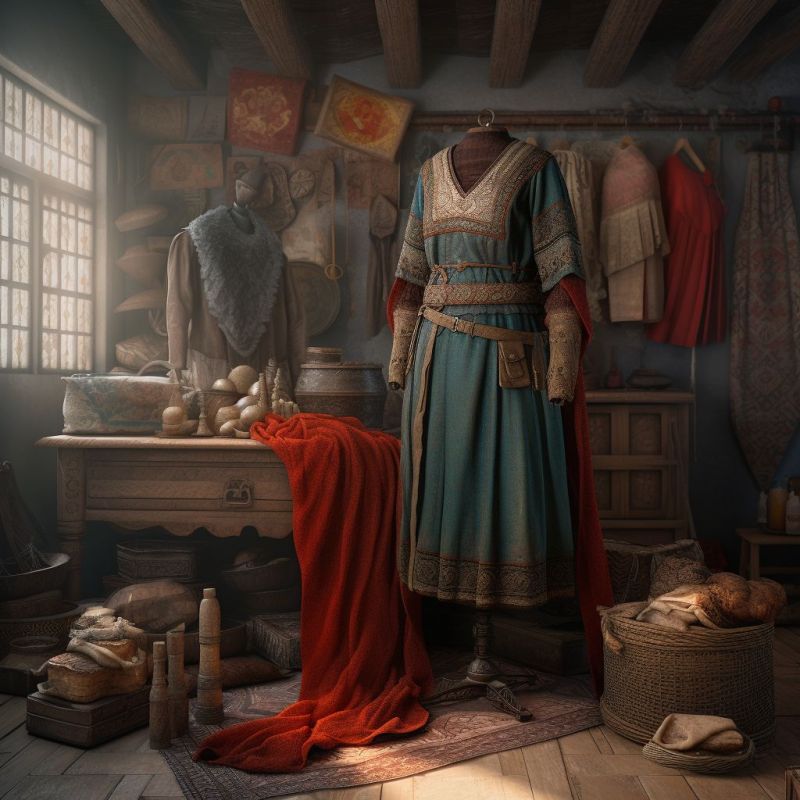
Clothes, Artisan’s1 gp
-
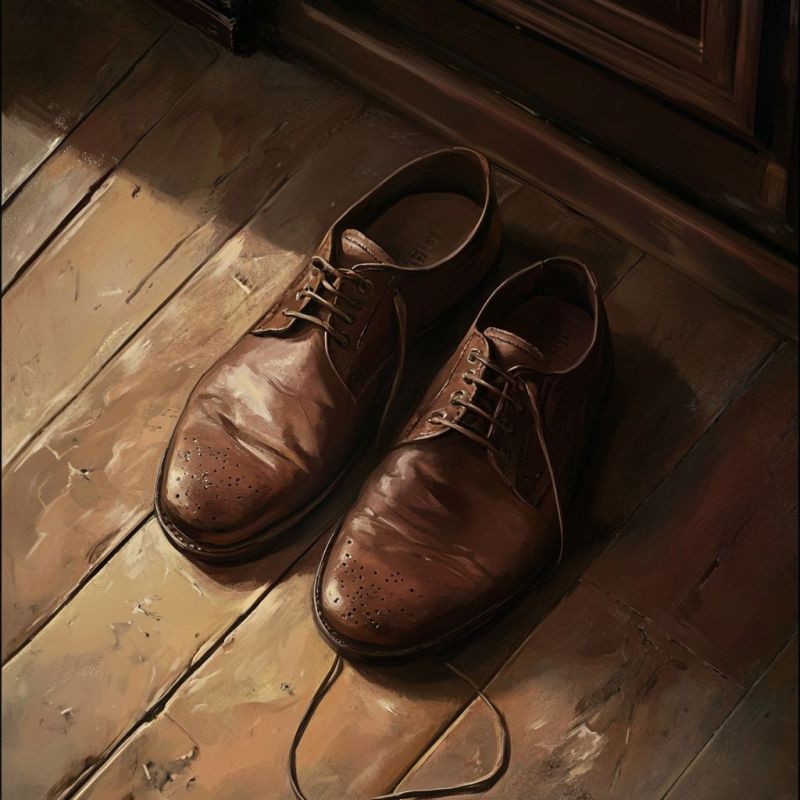
Shoes, Leather1 gp
-
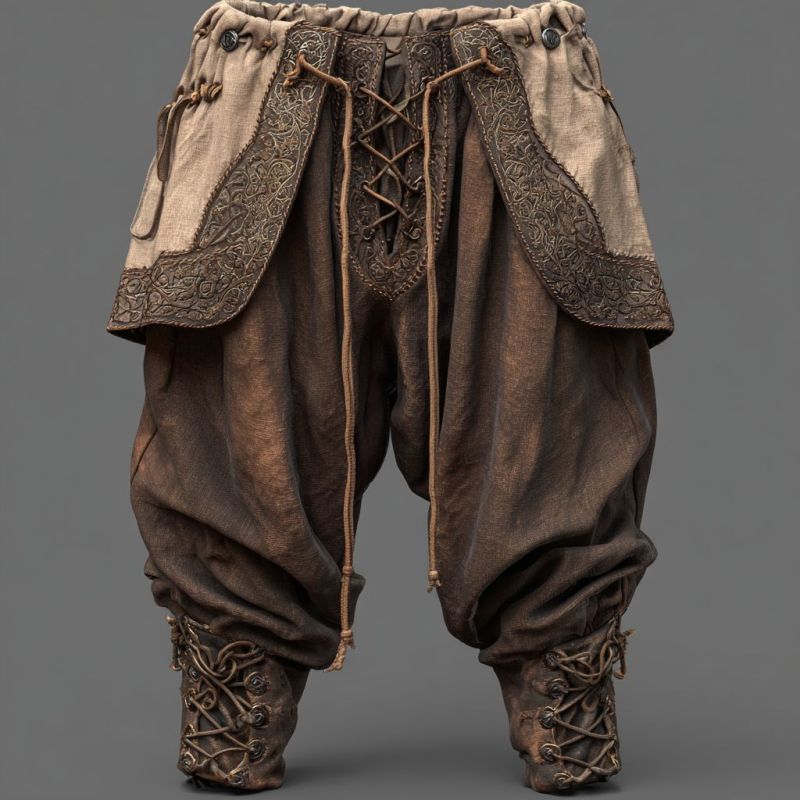
Pants, Cloth0.8 gp
-
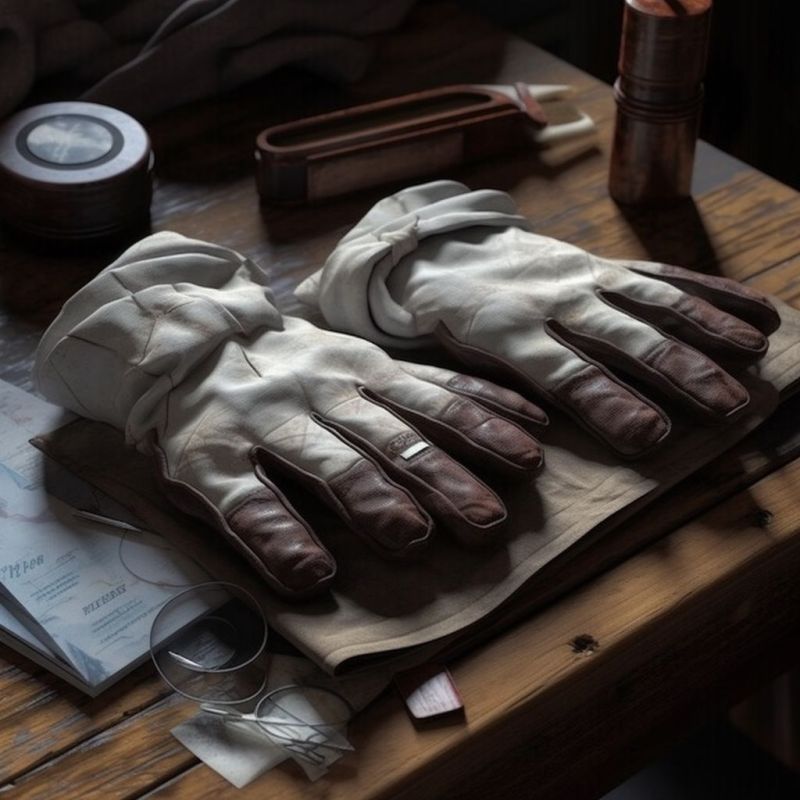
Gloves, Cloth5 gp
 Inventory Unequipped:
-
20 Alchemy Tools15 gp
-
20 Citronella Herb0.1 gp
-
20 Drinking Water0.01 gp
-
20 Emberstalk Herb5 gp
-
20 Flask, Glass0.03 gp
-
20 Sunflower Herb5 gp
-
20 Alchemist's Fire5.01 13 gp
-
20 Mugwort Herb1 gp
-
20 Antidote60 8 gp
-
20 Wolfsbane Herb10 gp
-
20 Basilisk Oil186 10 gp
-
20 Basilisk's Eye5 gp
-
20 Black Cohosh Herb5 gp
-
20 Eel Petal Herb5 gp
-
20 Verdant Moss5 gp
-
20 Potion of Bravery60 15 gp
-
20 Goblin Root Herb10 gp
-
20 Salvia Herb5 gp
-
20 Elixir of Acid Resistance27.5 45 gp
-
20 Elixir of Animal Speaking13 gp
-
20 Bark, Oak0.05 gp
-
20 Bellflower Herb10 gp
-
20 Elixir of Barkskin30 gp
-
20 Kheper Salt2.5 gp
-
20 Elixir of Cold Resistance27.5 45 gp
-
20 Elixir of Fire Resistance27.5 45 gp
-
20 Kaeth Herb10 gp
-
20 Elixir of Force Resistance27.5 45 gp
-
20 Star Thistle Herb5 gp
-
20 Ooze Slime5 gp
-
20 Elixir of Freedom of Movement152 400 gp
-
20 Stormvine Herb30 gp
-
20 Elixir of Lightning Resistance27.5 45 gp
-
20 Lunar Root Herb5 gp
-
20 Elixir of Necrotic Resistance27.5 45 gp
-
20 Snapdragon Herb5 gp
-
20 Elixir of Peerless Focus70 30 gp
-
20 Elixir of Poison Resistance27.5 45 gp
-
20 Eyebright Herb5 gp
-
20 Nightshade Herb5 gp
-
20 Elixir of Psychic Resistance27.5 45 gp
-
20 Faerie Blossom Herb15 gp
-
20 Elixir of Radiant Resistance27.5 45 gp
-
20 Bloodroot Herb30 gp
-
20 Elixir of See Invisibility40 gp
-
20 Elixir of Thunder Resistance27.5 45 gp
-
20 Blackthorn Herb15 gp
-
20 Elixir of Viciousness30 50 gp
-
20 Baptisia Herb5 gp
-
20 Elixir of Vigilance50 25 gp
-
20 Elixir of Water Breathing25 gp
-
20 Healing Potion, Adept-15 30 gp
-
20 Healing Potion, Minor20 15 gp
-
20 Silver, powdered25 gp
-
20 Holy Water, Flask25 gp
-
20 Insect Repellent, Salve30 gp
-
20 Oil of Accuracy30 gp
-
20 Oil of Sharpness50 gp
-
20 Animal Fat0.5 gp
-
20 Oil of Slipperiness50 gp
-
20 Poison, Minor10 gp
-
20 Potion of Attention50 10 gp
-
20 Tiger Eye1 gp
-
20 Freefire Herb40 gp
-
20 Potion of Clairvoyance200 gp
-
20 Potion of Climbing48 20 gp
-
20 Potion of Comprehend Languages50 gp
-
20 Potion of Day Eyes27.5 50 gp
-
20 Potion of Feather Fall20 gp
-
20 Edelweiss Herb50 gp
-
20 Potion of Flying50 gp
-
20 Potion of Glorious Vaulting30 gp
-
20 Ectoplasm5 gp
-
20 Potion of Invisibility7 65 gp
-
20 Potion of Love25.5 50 gp
-
20 Potion of Mind Reading30 gp
-
20 Potion of Moonshield50 gp
-
20 Potion of Poison20 gp
-
20 Potion of Speak with Animals20 gp
-
20 Potion of Spirit Safeguard30 50 gp
-
20 Potion of Vitality180 50 gp
-
20 Regeneration Potion, Minor50 gp
-
20 Self-Assuring Elixir75 50 gp
-
20 Smelling Salt208 5 gp
-
20 Stinging Nettle Syrup26.18 40 gp
-
20 Rotten Flesh0.05 gp
-
20 Warp Potion300 30 gp
-
20 Acid, Vial16 gp
-
20 Antitoxin, Vial50 16 gp
-
20 Bone, dust0.05 gp
-
20 Glue1 gp
-
20 Vial, Glass0.03 gp
-
20 Ink, 1-ounce bottle10 gp
-
20 Insect Repellent, Block10 gp
-
20 Tallow0.55 gp
-
20 Lamp Oil0.1 gp
-
20 Timber0.08 gp
-
20 Lye0.1 gp
-
20 Perfume, Vial5 gp
-
20 Sap, Tree1 gp
-
20 Sealing Wax0.5 gp
-
20 Soap0.02 gp
-
10 Gold Coin1 gp
-
4000 Copper Coin0.01 gp
-
450 Silver Coin0.1 gp
 Monster Bits:
-
14 Humanoid Blood0.15 gp
-
36 Animal Bone0.03 gp
-
24 Animal Fat0.5 gp
-
84 Animal Meat0.05 gp
-
12 Soft Skin0.05 gp
A wood elf man’s lithe hands carve a bow from supple yew, its surface etched with spiraling vines. His bare feet sink into loamy earth, hair glinting gold, as wood shavings drift like soft snow.
Commoners include peasants, serfs, slaves, servants, pilgrims, merchants, artisans, and hermits.
Wood Elves


🌲🧝 Wood Elves: Sentinels of the Verdant Veil
Wood Elves, known as the Asrai, are Zin’s reclusive guardians of the forest, their ageless forms blessed by Titans to endure centuries in harmony with nature. 🌿 Lithe and attuned to the woodlands, they move with unparalleled grace, their senses honed to resist fey enchantments and hunt with deadly precision. Fiercely protective of their sacred groves, they shun the outside world, emerging only to unleash devastating force against those who threaten their home. In ancient woods, the Asrai weave a legacy of vigilance, their lives entwined with the forest’s eternal rhythm.
🌟 Roots of Eternity: Born of Titan’s Grace
The Asrai trace their origins to a schism with their High Elf kin, choosing the embrace of Deep Woods over the High Elf courts. 🕉️ Blessed by Titans—or perhaps the forest’s spirits—they gained ageless vitality and magical affinity, binding their souls to the woodlands. Their pact with forest's spirits, forged through ancient sacrifices, ensures their survival but demands unwavering loyalty. Game Masters can tie their origins to a forgotten Titan’s gift or a fey bargain, casting Wood Elves as exiles or chosen protectors in campaigns of nature’s defense.
🦴 Sylvan Grace: Form and Function
Tall and lithe, Wood Elves mirror their High Elf kin but are marked by a wilder essence—flowing hair in earthy hues, eyes that gleam like starlit pools, and skin kissed by forest shades. 🏹 Their attire, woven from leaves and hides, blends seamlessly with their groves, adorned with symbols of Isha. Their agility and keen senses—sharp enough to spot a deer through mist—make them peerless hunters. GMs can describe their silent grace or glowing eyes, evoking an aura of otherworldly elegance.
🌱 Guardians of the Green: Fierce Protectors
The Asrai live in nomadic kinbands, small groups bound by shared ideals, dwelling in tree-woven halls or hidden glades. 🌳 Isolationist by nature, they shun outsiders, using illusions and traps to deter trespassers. When threats arise—be it orc axes or human greed—they unleash volleys of arrows and summon forest spirits to defend their realm. GMs can craft their reclusiveness as a challenge, with players earning trust through respect for nature or facing their wrath as intruders.
🪄 Forest Magic: Weavers of the Wild
Wood Elves wield innate magic, attuning to the forest to move tracklessly, see through beasts’ eyes, or commune with animals. 🦌 Their spells summon vines to ensnare foes, call winds to disorient, or awaken treants to crush enemies. As they grow, their powers deepen, rendering them invisible to trackers or merging their senses with the wild. GMs can use their magic to create dynamic battles, where the forest itself turns against foes, or as a bargaining chip for alliances.
🏰 The Asrai’s Realm: Sanctuaries of Athel Loren
Wood Elf enclaves, lare enchanted realms of towering oaks, glowing moss, and worldroot pathways. 🕸️ Hidden halls, woven from living trees or carved into hills, pulse with fey magic, guarded by waystones and Dryads. These groves are both home and fortress, where no outsider treads uninvited. GMs can design them as mystical havens, filled with illusionary paths or spirit allies, challenging players to navigate or protect sacred sites.
⚔️ Confronting the Asrai: Dance with the Forest
Facing Wood Elves tests cunning and respect, as their archery and magic make them elusive foes. 🗡️ Fire or defiling spells disrupt their forest bond, but proving harmony with nature can turn them into allies. Their kinbands—Wardancers, Glade Riders, or Spellsingers—strike with coordinated precision. GMs can craft encounters as ambushes in tangled woods or diplomatic trials, where players must honor the Asrai’s ways to avoid their wrath.
🌌 Whisper of the Eternal Grove
Wood Elves are Zin’s silent wardens, their lives a melody sung with the forest’s ancient heart. 🌲 Bound by Titan’s grace and fey pacts, they guard the Deep Wood with a ferocity born of love, their arrows a hymn to nature’s sanctity. Whether thwarting invaders or guiding heroes through verdant paths, they challenge all to honor the wild’s balance. In their shadowed glades, the Asrai weave tales of vigilance and sacrifice, inviting the worthy to join their timeless dance beneath the canopy’s embrace.
 Speed:
- Walking Speed: +35
- Persistant/Permanent Status Effect:
-
 Ageless
- Contesting Roll ADV vs Status Effect:
-
 Charmed
- Skill Tier 1:
-
 Common Language Skill
 -
 Elvish Language Skill
 -
 Sylvan Language Skill
- Skill Tier 3:
-
 Attention
 Random Name Table Male
-
Names - Wood Elf - Male - First Name
 Random Name Table Female
-
Names - Wood Elf - Female - First Name
 Random Name Table Last Name
-
Names - Wood Elf - Last Name
Alchemist - Tier 1 (Subtype)
⚗️🧪 Alchemist: Tier 1 Compounder
A Tier 1 Alchemist is a trained maker of chemical, medicinal, and experimental substances defined by practical knowledge, careful preparation, and a working belief that materials can be refined into something greater. In a flintlock fantasy setting, they are part apothecary, part proto-scientist, and part occult craftsman, operating where medicine, chemistry, and speculative transformation overlap.
📚🔥 Training and Foundation
Tier 1 Alchemists are shaped by apprenticeships, university study, guild training, temple laboratories, battlefield medicine, or years of trial-and-error in small workshops. They understand heat control, distillation, measurement, preservation, mineral processing, herbal extraction, and the safe handling of unstable compounds. This is not a hedge herbalist with a few bottles. It is a disciplined practitioner with repeatable methods and a structured workspace.
🧥🫙 Appearance and Bearing
These creatures usually appear in practical coats, aprons, gloves, satchels, and belts fitted with small tools, wrapped vials, and storage cases. Their clothing often shows stains from powders, oils, smoke, acids, or plant extracts. Burn marks, inked notes, cracked goggles, and careful labeling are common. Their bearing tends to be precise, distracted, and work-focused, with more attention given to process than presentation.
🧪📦 Typical Inventory
A Tier 1 Alchemist commonly stocks tinctures, poultices, antiseptic washes, mineral salts, acids, lamp oil compounds, smoke pellets, preserving agents, reagents, basic tonics, sealed herbs, powders for testing metals, glass vials, ceramic jars, mortar-and-pestle kits, measuring spoons, filters, charcoal tablets, and unfinished experimental mixtures. Some also keep small stocks of stimulants, sleeping draughts, burn salves, or low-grade blasting compounds depending on local law and demand.
🧠⚖️ Working Style
Their working style is methodical, cautious, and batch-oriented. A Tier 1 Alchemist follows procedure, records outcomes, and works toward consistency rather than brilliance. They may speculate about transmutation, universal medicine, or bodily perfection, but their day-to-day trade usually centers on useful compounds people will actually buy: medicine, solvents, preservatives, cleaners, reagents, and controlled combustibles.
💰🜂 Trade and Practical Role
What defines this subtype is applied transformation. Tier 1 Alchemists make substances that solve immediate problems while pursuing theories that promise greater breakthroughs later. Most earn money through medicines, industrial compounds, and specialty mixtures rather than true miracles. Their work serves physicians, merchants, miners, gunsmiths, sailors, perfumers, and anyone who needs reliable substances prepared under controlled conditions.
🏪🧾 Business and Workspace
Tier 1 Alchemists usually work from small laboratories, attached apothecaries, rented back rooms, university corners, shipboard medicine lockers, or guarded urban shops where fire and fumes can be managed. Their business depends on supply chains for herbs, salts, metals, glassware, alcohol, and fuel. A good one keeps orderly shelves, labeled drawers, written formulas, and locked storage for unstable stock.
🏙️👥 Common Roles
These creatures are commonly found as apothecary assistants, military compounders, dockside chemical suppliers, university experimenters, mining camp refiners, plague-town medicine brewers, or independent shopkeepers selling useful but limited alchemical goods. In settlements, they are often valued for being able to produce remedies and reactions other trades cannot.
👑⚗️ Place in Society
A Tier 1 Alchemist usually holds a mixed reputation. Practical people value them for medicines, solvents, and controlled compounds. Suspicious people view them as dangerous dabblers surrounded by fumes, fragile glass, and expensive mistakes. In a flintlock fantasy setting, they often stand between accepted trade and unsettling possibility, respected when useful and watched when ambitious.
📈🧪 Tier Meaning
Tier 1 represents the earliest stage of the alchemist role: controlled preparation, practical compounds, modest inventory, and disciplined material knowledge. The core fantasy is present—refinement, transformation, medicine, and the pursuit of greater secrets—but it remains grounded in useful trade goods rather than major transmutations or legendary breakthroughs.
- Inventory Unequipped:
-
20 Alchemy Tools15 gp
-
20 Citronella Herb0.1 gp
-
20 Drinking Water0.01 gp
-
20 Emberstalk Herb5 gp
-
20 Flask, Glass0.03 gp
-
20 Sunflower Herb5 gp
-
20 Alchemist's Fire5.01 13 gp
-
20 Mugwort Herb1 gp
-
20 Antidote60 8 gp
-
20 Wolfsbane Herb10 gp
-
20 Basilisk Oil186 10 gp
-
20 Basilisk's Eye5 gp
-
20 Black Cohosh Herb5 gp
-
20 Eel Petal Herb5 gp
-
20 Verdant Moss5 gp
-
20 Potion of Bravery60 15 gp
-
20 Goblin Root Herb10 gp
-
20 Salvia Herb5 gp
-
20 Elixir of Acid Resistance27.5 45 gp
-
20 Elixir of Animal Speaking13 gp
-
20 Bark, Oak0.05 gp
-
20 Bellflower Herb10 gp
-
20 Elixir of Barkskin30 gp
-
20 Kheper Salt2.5 gp
-
20 Elixir of Cold Resistance27.5 45 gp
-
20 Elixir of Fire Resistance27.5 45 gp
-
20 Kaeth Herb10 gp
-
20 Elixir of Force Resistance27.5 45 gp
-
20 Star Thistle Herb5 gp
-
20 Ooze Slime5 gp
-
20 Elixir of Freedom of Movement152 400 gp
-
20 Stormvine Herb30 gp
-
20 Elixir of Lightning Resistance27.5 45 gp
-
20 Lunar Root Herb5 gp
-
20 Elixir of Necrotic Resistance27.5 45 gp
-
20 Snapdragon Herb5 gp
-
20 Elixir of Peerless Focus70 30 gp
-
20 Elixir of Poison Resistance27.5 45 gp
-
20 Eyebright Herb5 gp
-
20 Nightshade Herb5 gp
-
20 Elixir of Psychic Resistance27.5 45 gp
-
20 Faerie Blossom Herb15 gp
-
20 Elixir of Radiant Resistance27.5 45 gp
-
20 Bloodroot Herb30 gp
-
20 Elixir of See Invisibility40 gp
-
20 Elixir of Thunder Resistance27.5 45 gp
-
20 Blackthorn Herb15 gp
-
20 Elixir of Viciousness30 50 gp
-
20 Baptisia Herb5 gp
-
20 Elixir of Vigilance50 25 gp
-
20 Elixir of Water Breathing25 gp
-
20 Healing Potion, Adept-15 30 gp
-
20 Healing Potion, Minor20 15 gp
-
20 Silver, powdered25 gp
-
20 Holy Water, Flask25 gp
-
20 Insect Repellent, Salve30 gp
-
20 Oil of Accuracy30 gp
-
20 Oil of Sharpness50 gp
-
20 Animal Fat0.5 gp
-
20 Oil of Slipperiness50 gp
-
20 Poison, Minor10 gp
-
20 Potion of Attention50 10 gp
-
20 Tiger Eye1 gp
-
20 Freefire Herb40 gp
-
20 Potion of Clairvoyance200 gp
-
20 Potion of Climbing48 20 gp
-
20 Potion of Comprehend Languages50 gp
-
20 Potion of Day Eyes27.5 50 gp
-
20 Potion of Feather Fall20 gp
-
20 Edelweiss Herb50 gp
-
20 Potion of Flying50 gp
-
20 Potion of Glorious Vaulting30 gp
-
20 Ectoplasm5 gp
-
20 Potion of Invisibility7 65 gp
-
20 Potion of Love25.5 50 gp
-
20 Potion of Mind Reading30 gp
-
20 Potion of Moonshield50 gp
-
20 Potion of Poison20 gp
-
20 Potion of Speak with Animals20 gp
-
20 Potion of Spirit Safeguard30 50 gp
-
20 Potion of Vitality180 50 gp
-
20 Regeneration Potion, Minor50 gp
-
20 Self-Assuring Elixir75 50 gp
-
20 Smelling Salt208 5 gp
-
20 Stinging Nettle Syrup26.18 40 gp
-
20 Rotten Flesh0.05 gp
-
20 Warp Potion300 30 gp
-
20 Acid, Vial16 gp
-
20 Antitoxin, Vial50 16 gp
-
20 Bone, dust0.05 gp
-
20 Glue1 gp
-
20 Vial, Glass0.03 gp
-
20 Ink, 1-ounce bottle10 gp
-
20 Insect Repellent, Block10 gp
-
20 Tallow0.55 gp
-
20 Lamp Oil0.1 gp
-
20 Timber0.08 gp
-
20 Lye0.1 gp
-
20 Perfume, Vial5 gp
-
20 Sap, Tree1 gp
-
20 Sealing Wax0.5 gp
-
20 Soap0.02 gp
- Merchant
-
This merchant's wares are tagged with teleportation magic as a contingency. Should the merchant fall in battle, most of their inventory will shimmer and vanish—teleported to a secure location. Only coins and a handful of items that slip through the contingency remain behind.
- Skill Tier 3:
-
 Alchemy
Merchant - Tier 1 - Local Merchant
Local Merchants are the humble shopkeeps and street traders who keep the lifeblood of small towns and bustling city quarters flowing. 🪙 Operating cozy storefronts crammed with everyday wares — lanterns, rope, potions, and basic weapons — they eagerly buy the trinkets and minor relics adventurers drag back from nearby ruins. With a sharp eye and quicker smile, they turn dusty dungeon loot into ready coin while stocking the crafting materials heroes need to patch gear or brew simple remedies. Part of tight-knit local guilds, they enjoy quiet protection: harm one and the entire network quietly blacklists the offender with contracts and whispered warnings.
Driven by steady profit rather than grand schemes, Tier 1 Local Merchants take calculated financial risks — overstocking exotic herbs, extending credit to promising parties, or gambling on a shady shipment — but rarely step beyond the safety of their counters or guild wards. 🏪 They’re the friendly face of commerce that starting adventurers learn to trust (or haggle with), offering fair deals, local gossip, and the occasional rare find that sparks the next quest. Wise parties treat them well; today’s neighborhood merchant may one day hold the exact component needed to survive tomorrow’s danger. 🪙
 Essences:
-
Body:
+2
-
Mind:
+2
-
Soul:
+2
- Inventory Equipped:
-
Clothes, Artisan’s1 gp
-
Shoes, Leather1 gp
-
Pants, Cloth0.8 gp
-
Gloves, Cloth5 gp
- Inventory Unequipped:
-
10 Gold Coin1 gp
-
4000 Copper Coin0.01 gp
-
450 Silver Coin0.1 gp
- Skill Tier 3:
-
Attention
-
 Empathy


