Menu
 Ancestries
 Backgrounds
 Lineages
 Classes
 Subclasses
 Spells
 Curses
 Mentas
 Sanguines
 Feats
Feats
 Passive
 Full
Full
 Standard
 Quick
Quick
 Attack
 Free
Free
 Reaction
 Opp. Attack
 Innate Skills
 Gathering Skills
 Knowledge Skills
 Crafting Skills
 Weapon Skills
 Armor Skills
 Defensive Skills
 Status Effects
 Crafting
 Alchemy
 Art
Art
 Cooking
 Enchanting
 Glassblowing
 Jewelling
 Leatherworking
 Machining
 Masoning
 Smithing
 Weaving
 Woodworking
View All Crafting
View All Rules
Woodworking
View All Crafting
View All Rules
















































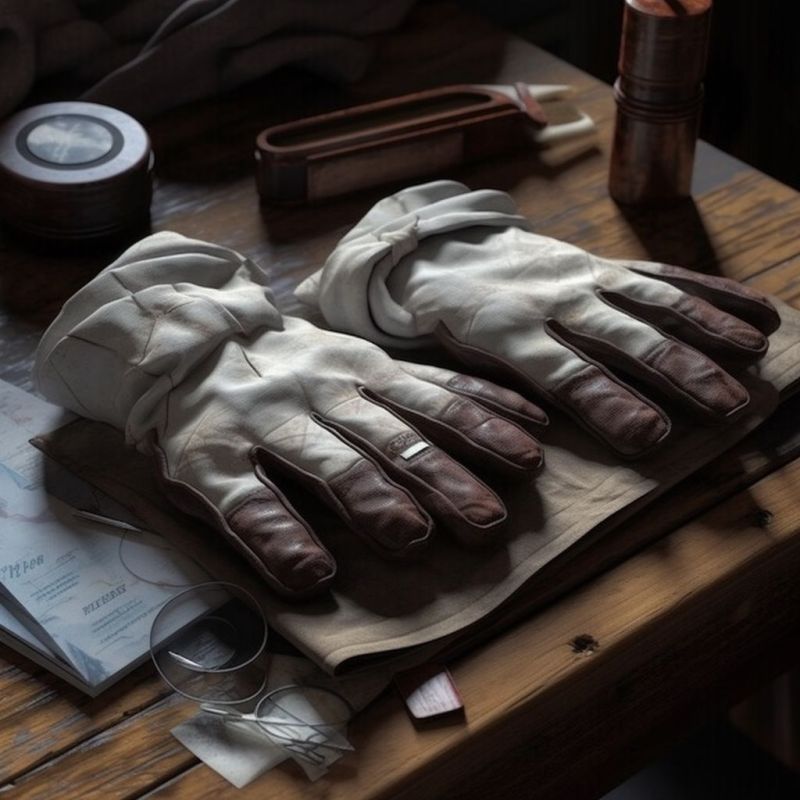
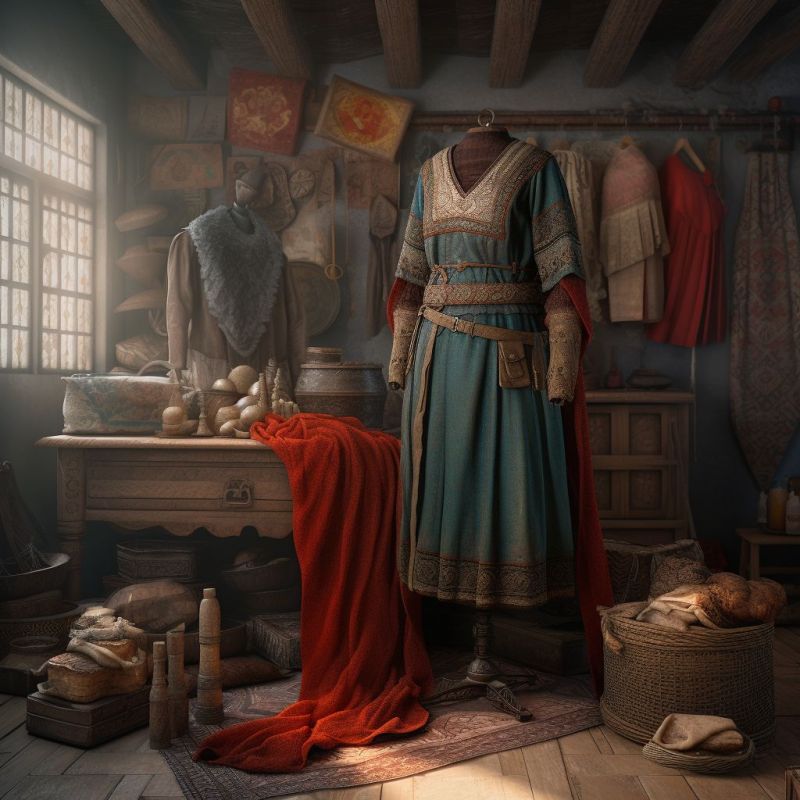
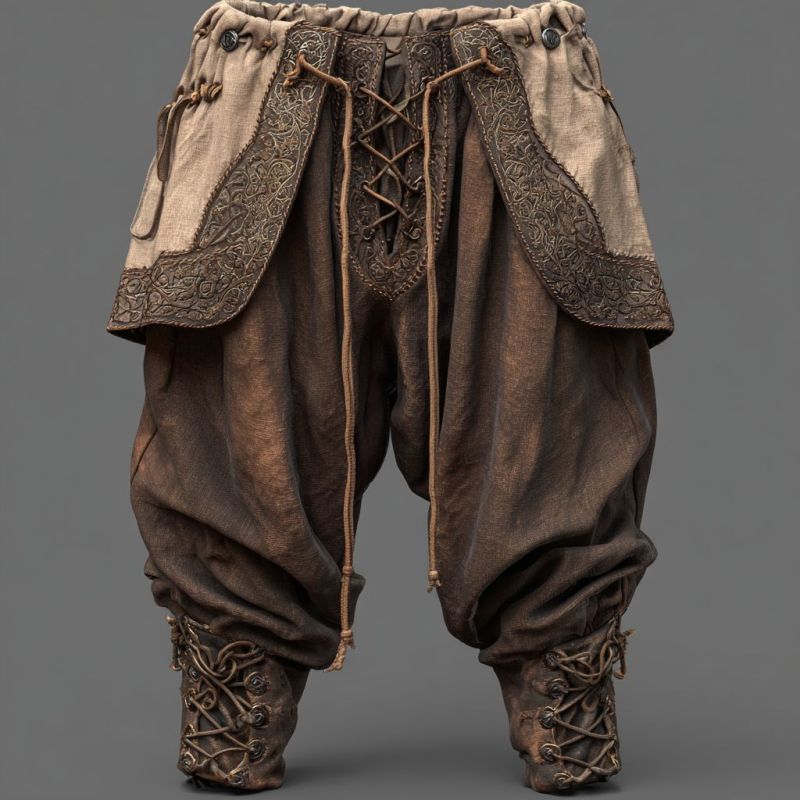
 Inventory Equipped:
-
Clothes, Artisan’s1 gp
-
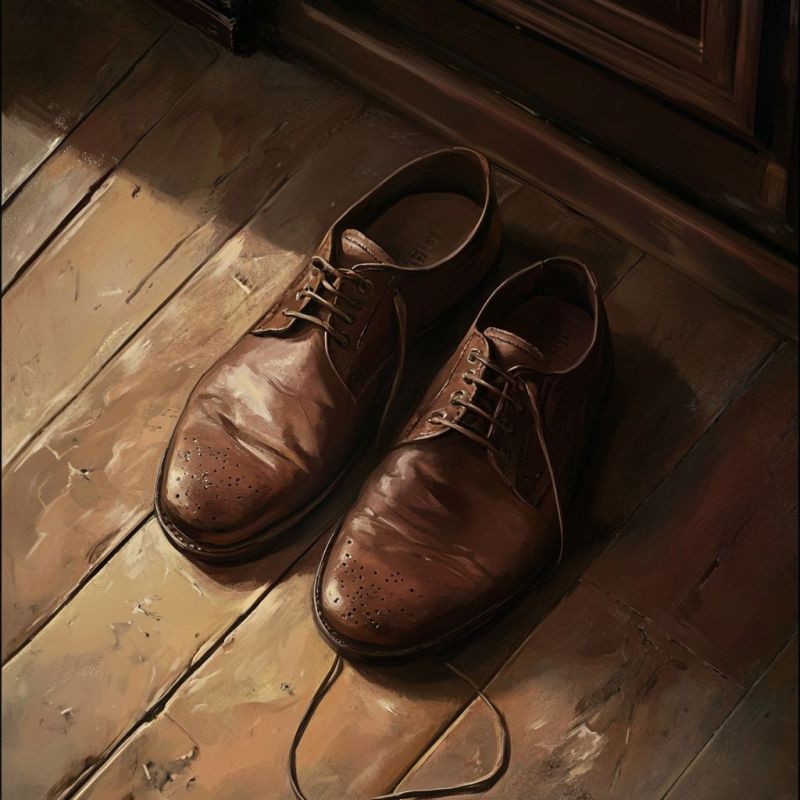
Shoes, Leather1 gp
-
Pants, Cloth0.8 gp
-
Gloves, Cloth5 gp
 Inventory Unequipped:
-
Dream Dust5 gp
-
Quartz5 gp
-
Blue Quartz1 gp
-
Magical Crystal12 gp
-
Enchanting Tools100 gp
-
Wooden Workbench20 gp
-
Woodworking Tools15 gp
-
Totem10 gp
-
Rod, Wooden2 gp
-
Magical Rod10 gp
-
Gold Emblem30 gp
-
Magical Holy Emblem40 gp
-
Amulet, Gold200 gp
-
Magical Holy Amulet40 gp
-
Reliquary200 gp
-
Magical Holy Reliquary300 gp
-
Magical Sprig of Mistletoe6 gp
-
Sprig of Mistletoe0.02 gp
-
Quarterstaff3.43 0.2 gp
-
Magical Staff7 gp
-
Magical Wand10 gp
-
Wand2 gp
-
Garnet10 gp
-
Orbit Stone50 gp
-
Javelin of Lightning12.22 600.5 gp
-
Mace of Terror11.28 655 gp
-
Staff of the Python5.5 900.2 gp
-
Trident of Tides7.65 905 gp
-
Staff of Healing3.43 1250.2 gp
-
Riftpiercer Spear12.52 1301 gp
-
Shadowbane Hammer9.27 1315 gp
-
Hammer of Thunderbolts5.62 1510 gp
-
Staff of Swarming Insects3.43 1600.2 gp
-
Staff of Charming18.43 2150.2 gp
-
Scepter of Silent King3.43 1650.2 gp
-
Figurine of Wondrous Power - Silver Raven70 gp
-
Cleaning Stone100 gp
-
Nolzur's Marvelous Pigments100 gp
-
Dust of Sneezing and Choking150 gp
-
Gloves of Missile Snaring150 gp
-
Prayer Bead - Bless0.43 150 gp
-
Bead of Force200 gp
-
Eyes of Charming200 gp
-
Iron Bands of Bilarro200 gp
-
Quaal's Feather Token, Fan200 gp
-
Quaal's Feather Token, Bird205 gp
-
Quaal's Feather Token, Swan Boat3000 gp
-
Quaal's Feather Token, Tree50 gp
-
Quaal's Feather Token, Whip200 gp
-
Quaal's Feather Token, Anchor1000 gp
-
Ring of the Ram200 gp
-
Universal Solvent200 gp
-
Wand of Magic Detection200 gp
-
Wand of Magic Missiles200 gp
-
Spellsnatcher's Gauntlet210 gp
-
Eversmoking Bottle0.45 250 gp
-
Hat of Disguise0.28 250 gp
-
Helm of Comprehending Languages0.28 250 gp
-
Horn of Blasting250 gp
-
Ring of Jumping0.27 250 gp
-
Robe of Scintillating Colors0.19 250 gp
-
Green Ribbon29.16 251 gp
-
Bag of Tricks, Tan300 gp
-
Ring of Evasion300 gp
-
Wind Fan0.49 300 gp
-
Medallion of Thoughts400 gp
-
Prayer Bead - Curing400 gp
-
Wand of Paralysis400 gp
-
Wand of Secrets400 gp
-
Boots of Levitation0.38 500 gp
-
Cloak of Displacement0.45 500 gp
-
Horseshoes of a Zephyr0.38 500 gp
-
Prayer Bead - Smiting0.45 500 gp
-
Ring of Invisibility0.65 500 gp
-
10 Gold Coin1 gp
-
4000 Copper Coin0.01 gp
-
450 Silver Coin0.1 gp
 Monster Bits:
-
24 Humanoid Blood0.15 gp
-
63 Animal Bone0.03 gp
-
42 Animal Fat0.5 gp
-
147 Animal Meat0.05 gp
-
21 Soft Skin0.05 gp
A high elf man’s slender fingers trace a silver flute, its surface etched with spiraling runes. Notes hum, vibrating the air, as his polished boots tap marble, hair glinting like spun starlight.
High Elves


🧝♂️🔮 High Elves: Luminaries of Arcane Grace
High Elves are Zin’s pinnacle of elegance and sorcery, their ageless forms radiating refinement in grandiose cities of alabaster spires and intricate filigree. 🌟 Blessed by the Titans with eternal youth and unmatched magical affinity, they are masters of both spellcraft and swordplay. Their structured society, rooted in arcane mastery and scholarly pursuit, thrives in radiant citadels, yet their haughty pride makes them formidable defenders of their realm. High Elves are a beacon of culture and power, their legacy a glittering thread in Zin’s tapestry.
🌌 Titan-Blessed Beginnings: Origins of Nobility
High Elves trace their lineage to ancient pacts with the Titans, granting them longevity beyond mortal limits and immunity to natural death. 🕉️ Their origins speak of a golden age when they shaped Zin’s fate, their cities rising as bastions of arcane wisdom. This divine blessing fuels their pride, casting them as self-appointed guardians of order. Game Masters can weave their origins into tales of Titan-forged relics or celestial mandates, positioning High Elves as arbiters of Zin’s balance or rivals to other races.
🦴 Elegant Form: Beauty in Motion
Tall and slender, High Elves embody ethereal grace, their pale skin and fine features framed by flowing hair adorned with jeweled combs. 👑 Their sharp eyes pierce illusions, and their movements are fluid, blending agility with strength. Clad in shimmering robes or ithilmar armor, they exude an otherworldly aura. GMs can describe their radiant presence—hair catching starlight or armor gleaming like moonlight—to evoke awe and hint at their arcane potency.
🧙♂️ Arcane Mastery: Weavers of Magic
From birth, High Elves wield innate magic, resisting enchantments and unlocking warded secrets as they age. 🔮 Their spells can rend veils of invisibility, summon radiant bursts, or reshape reality, making them peerless mages. Their society reveres arcane study, with many dedicating centuries to perfecting spells. GMs can showcase their magic in dynamic encounters, with High Elves conjuring barriers or illusions, turning battles into displays of arcane artistry.
⚔️ Martial Prowess: Graceful Warriors
Despite their scholarly bent, High Elves are lethal in combat, their agility and training forging warriors who dance through battle with deadly precision. 🗡️ Wielding blades of enchanted steel or bows of uncanny accuracy, they blend magic with martial skill. Their armies, disciplined and versatile, strike with coordinated elegance. GMs can craft battles where High Elves outmaneuver foes, their strikes as fluid as a river, challenging players to match their finesse.
🏰 Citadel of Splendor: Arcane Sanctuaries
High Elves dwell in opulent cities of marble and crystal, their spires soaring above mist-shrouded islands or mountain valleys. 🏛️ These citadels, fortified by magical wards and guarded by vigilant sentinels, hum with scholarly debate and arcane rituals. Libraries brim with ancient tomes, and forges craft enchanted weapons. GMs can design these cities as grand stages for intrigue, where players navigate courtly politics or seek forbidden knowledge in hidden vaults.
🗝️ Confronting High Elves: Clash of Pride and Power
Engaging High Elves tests both strategy and diplomacy, as their magic and martial skill make them formidable. 🛡️ Anti-magic or chaotic energies disrupt their spells, while exploiting their pride—through flattery or challenges—can sway or provoke them. Their structured hierarchy offers openings for cunning alliances. GMs can create encounters blending combat with courtly intrigue, where players must outwit haughty lords or prove their worth to gain favor.
🌌 Radiance of Eternal Ambition
High Elves are Zin’s starlit sovereigns, their arcane brilliance and martial grace illuminating the world’s shadows. 🧝♂️ From gilded citadels, they weave spells and legacies that defy time, their pride a double-edged blade of glory and hubris. Whether defending their realm or shaping Zin’s fate, they challenge heroes to match their elegance or face their wrath. In their radiant courts, the Asur spin sagas of eternal vigilance, daring the worthy to join their luminous dance or fade before their unyielding light.
 Speed:
- Walking Speed: +30
 Special Senses:
- Spellsight: +20
- Persistant/Permanent Status Effect:
-
 Ageless
- Contesting Roll ADV vs Status Effect:
-
 Charmed
- Skill Tier 1:
-
 Bending Weapon Skill
 -
 Common Language Skill
 -
 Elvish Language Skill
- Skill Tier 3:
-
 Attention
 Random Name Table Male
-
Names - Elf - Male
 Random Name Table Female
-
Names - Elf - Female
 Random Name Table Last Name
-
Names - Elf - Last (Family Name)
Enchanter - Tier 1 (Subtype)
✨🔧 Enchanter: Tier 1 Imbuer
A Tier 1 Enchanter is a working magical craftsperson defined by item infusion, charged spellwork, and the practical binding of minor magical properties into physical objects. In a flintlock fantasy setting, they are a specialist trade worker who turns ordinary gear into useful arcane equipment for soldiers, merchants, officers, and wealthy civilians.
📚🪄 Training and Foundation
Tier 1 Enchanters are shaped by apprenticeship, arcane guild study, workshop training, temple craft traditions, or years of supervised item-binding work. They understand runes, anchor materials, charge limits, spell stability, and the difference between a temporary enhancement and a lasting enchantment. This is not a hedge mage waving power into a sword. It is a trained artisan who knows how to bind magic into matter without wasting materials or ruining the item.
🧥💠 Appearance and Bearing
These creatures usually appear in practical workshop coats, aprons, gloves, lenswork, and tool belts fitted with engraving picks, chalks, sigil stamps, wire, measuring tools, and wrapped focus stones. Their clothing often shows ink marks, metal dust, wax drips, gem filings, and traces of powdered reagents. Their bearing tends to be precise, patient, and inspection-focused, with more attention given to process and stability than display.
🪶📦 Typical Inventory
A Tier 1 Enchanter commonly stocks blank rings, plain amulets, etched bullets, rune-marked charms, focus crystals, treated wire, engraved plates, spell tags, warded lockets, minor protective tokens, charged lantern stones, simple weapon runes, temporary enhancement seals, insulating gloves, binding wax, powdered silver, inscribed cartridges, prepared gemstones, unfinished trinkets, and small enchanted objects with limited charges such as glow charms, heat stones, locking seals, spark rods, or low-grade protective brooches.
🧠⚖️ Working Style
Their working style is careful, measured, and limit-aware. A Tier 1 Enchanter inspects the base item, confirms material compatibility, chooses the effect, sets charge capacity, and binds the magic through inscription, ritual, or contained spellwork. They are expected to produce stable, useful results rather than dramatic masterpieces. Reliability matters more than ambition, because a failed enchantment can waste expensive materials or create a dangerous flaw.
💰🔮 Trade and Practical Role
What defines this subtype is applied magical utility. Tier 1 Enchanters make objects that solve practical problems: better storage, safer travel, minor protection, limited combat enhancement, or small conveniences that save time and labor. Their work serves officers, adventurers, locksmiths, merchants, gunsmiths, ship captains, and households wealthy enough to pay for arcane improvements. In a flintlock fantasy economy, they stand between pure spellcasting and manufactured magical goods.
🏪🪵 Business and Workspace
Tier 1 Enchanters usually work from small arcane workshops, guild stalls, rented back rooms, attached smithies, jewelers’ corners, or secure urban shops where tools, components, and finished items can be kept under control. Their workspace is built around benches, clamps, engraving tools, ledgers, test pieces, focus materials, locked cabinets, and padded shelves for fragile stock. A good one keeps records on effect duration, charge failure, and material loss.
🏙️👥 Common Roles
These creatures are commonly found as charm-makers, rune workers, arcane engravers, bullet binders, ward crafters, magical accessory sellers, apprentice item-binders, or workshop specialists producing low-grade enchanted goods for local sale. In settlements, they are often the people consulted when someone wants magic to stay in an object instead of being cast directly.
👑🪙 Place in Society
A Tier 1 Enchanter usually holds modest but valuable status. Common laborers may see them as expensive specialists, while officers, merchants, and adventurers see them as useful problem-solvers. In a flintlock fantasy setting, they often occupy a regulated middle ground between artisan, mage, and arms supplier, respected when reliable and watched closely when dealing in combat enchantments.
📈✨ Tier Meaning
Tier 1 represents the earliest stage of the enchanter role: basic item infusion, modest magical inventory, practical charged objects, and disciplined binding work. The core fantasy is present—magic fixed into matter, useful spell effects stored in gear, and arcane craftsmanship as trade—but it remains grounded in minor enchantments rather than rare relics, major permanent bindings, or high-tier magical manufacture.
- Inventory Unequipped:
-
Dream Dust5 gp
-
Quartz5 gp
-
Blue Quartz1 gp
-
Magical Crystal12 gp
-
Enchanting Tools100 gp
-
Wooden Workbench20 gp
-
Woodworking Tools15 gp
-
Totem10 gp
-
Rod, Wooden2 gp
-
Magical Rod10 gp
-
Gold Emblem30 gp
-
Magical Holy Emblem40 gp
-
Amulet, Gold200 gp
-
Magical Holy Amulet40 gp
-
Reliquary200 gp
-
Magical Holy Reliquary300 gp
-
Magical Sprig of Mistletoe6 gp
-
Sprig of Mistletoe0.02 gp
-
Quarterstaff3.43 0.2 gp
-
Magical Staff7 gp
-
Magical Wand10 gp
-
Wand2 gp
-
Garnet10 gp
-
Orbit Stone50 gp
-
Javelin of Lightning12.22 600.5 gp
-
Mace of Terror11.28 655 gp
-
Staff of the Python5.5 900.2 gp
-
Trident of Tides7.65 905 gp
-
Staff of Healing3.43 1250.2 gp
-
Riftpiercer Spear12.52 1301 gp
-
Shadowbane Hammer9.27 1315 gp
-
Hammer of Thunderbolts5.62 1510 gp
-
Staff of Swarming Insects3.43 1600.2 gp
-
Staff of Charming18.43 2150.2 gp
-
Scepter of Silent King3.43 1650.2 gp
-
Figurine of Wondrous Power - Silver Raven70 gp
-
Cleaning Stone100 gp
-
Nolzur's Marvelous Pigments100 gp
-
Dust of Sneezing and Choking150 gp
-
Gloves of Missile Snaring150 gp
-
Prayer Bead - Bless0.43 150 gp
-
Bead of Force200 gp
-
Eyes of Charming200 gp
-
Iron Bands of Bilarro200 gp
-
Quaal's Feather Token, Fan200 gp
-
Quaal's Feather Token, Bird205 gp
-
Quaal's Feather Token, Swan Boat3000 gp
-
Quaal's Feather Token, Tree50 gp
-
Quaal's Feather Token, Whip200 gp
-
Quaal's Feather Token, Anchor1000 gp
-
Ring of the Ram200 gp
-
Universal Solvent200 gp
-
Wand of Magic Detection200 gp
-
Wand of Magic Missiles200 gp
-
Spellsnatcher's Gauntlet210 gp
-
Eversmoking Bottle0.45 250 gp
-
Hat of Disguise0.28 250 gp
-
Helm of Comprehending Languages0.28 250 gp
-
Horn of Blasting250 gp
-
Ring of Jumping0.27 250 gp
-
Robe of Scintillating Colors0.19 250 gp
-
Green Ribbon29.16 251 gp
-
Bag of Tricks, Tan300 gp
-
Ring of Evasion300 gp
-
Wind Fan0.49 300 gp
-
Medallion of Thoughts400 gp
-
Prayer Bead - Curing400 gp
-
Wand of Paralysis400 gp
-
Wand of Secrets400 gp
-
Boots of Levitation0.38 500 gp
-
Cloak of Displacement0.45 500 gp
-
Horseshoes of a Zephyr0.38 500 gp
-
Prayer Bead - Smiting0.45 500 gp
-
Ring of Invisibility0.65 500 gp
- Skill Tier 3:
-
 Enchanting
 -
Runeforging
Merchant - Tier 1 - Local Merchant
Local Merchants are the humble shopkeeps and street traders who keep the lifeblood of small towns and bustling city quarters flowing. 🪙 Operating cozy storefronts crammed with everyday wares — lanterns, rope, potions, and basic weapons — they eagerly buy the trinkets and minor relics adventurers drag back from nearby ruins. With a sharp eye and quicker smile, they turn dusty dungeon loot into ready coin while stocking the crafting materials heroes need to patch gear or brew simple remedies. Part of tight-knit local guilds, they enjoy quiet protection: harm one and the entire network quietly blacklists the offender with contracts and whispered warnings.
Driven by steady profit rather than grand schemes, Tier 1 Local Merchants take calculated financial risks — overstocking exotic herbs, extending credit to promising parties, or gambling on a shady shipment — but rarely step beyond the safety of their counters or guild wards. 🏪 They’re the friendly face of commerce that starting adventurers learn to trust (or haggle with), offering fair deals, local gossip, and the occasional rare find that sparks the next quest. Wise parties treat them well; today’s neighborhood merchant may one day hold the exact component needed to survive tomorrow’s danger. 🪙
 Essences:
-
Body:
+2
-
Mind:
+2
-
Soul:
+2
- Inventory Equipped:
-
Clothes, Artisan’s1 gp
-
Shoes, Leather1 gp
-
Pants, Cloth0.8 gp
-
Gloves, Cloth5 gp
- Inventory Unequipped:
-
10 Gold Coin1 gp
-
4000 Copper Coin0.01 gp
-
450 Silver Coin0.1 gp
- Skill Tier 3:
-
Attention
-
 Empathy


